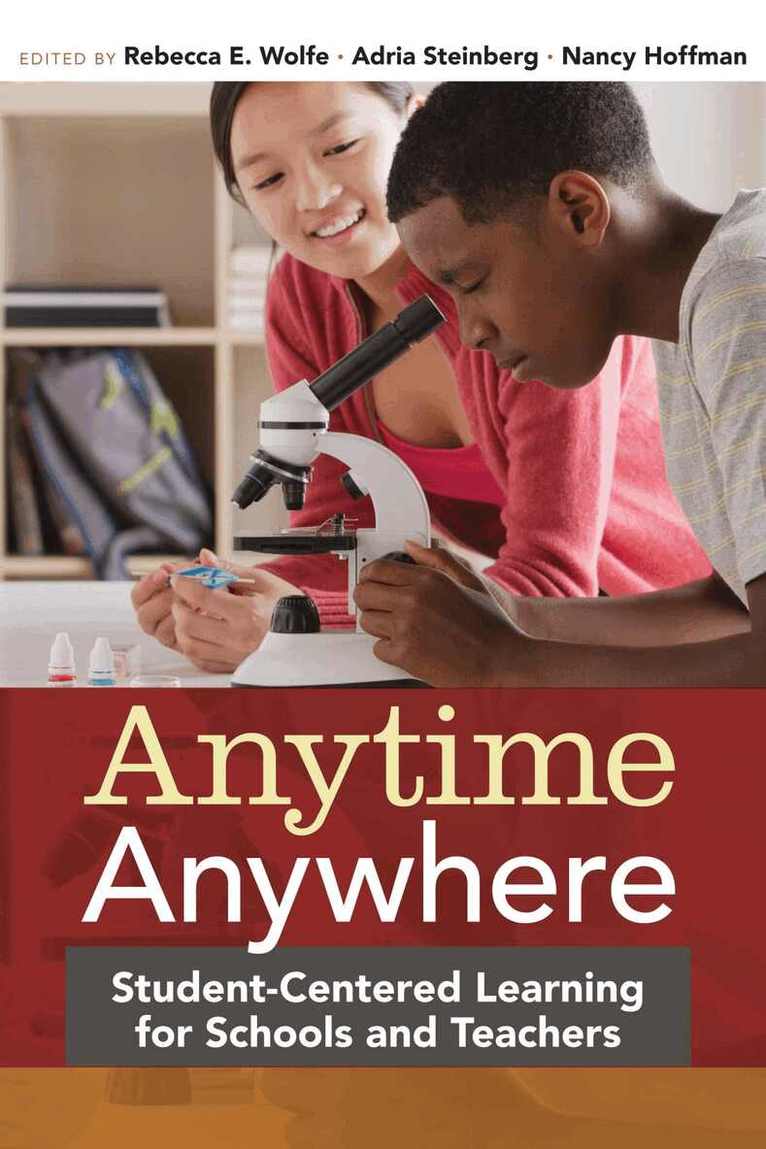
Anytime, Anywhere synthesizes existing research and practices in the emerging field of student-centered learning, and includes profiles of schools that have embraced this approach. Educators have argued that students should be at the center of learning, constructing new knowledge based on what is interesting to them, and receiving guidance in classrooms—or anywhere they may happen to be— from adults with whom they have positive relationships. Now, with the advent of new technologies, researchers are confirming the value of this approach by showing how the human brain and memory work in response to different environments, and how digital tools give students powerful new ways to express what they’ve learned."
Anytime, Anywhere synthesizes existing research and practices in the emerging field of student-centered learning, and includes profiles of schools that have embraced this approach.Educators have argued that students should be at the center of learning, constructing new knowledge based on what is interesting to them, and receiving guidance in classrooms—or anywhere they may happen to be— from adults with whom they have positive relationships. Now, with the advent of new technologies, researchers are confirming the value of this approach by showing how the human brain and memory work in response to different environments, and how digital tools give students powerful new ways to express what they’ve learned."
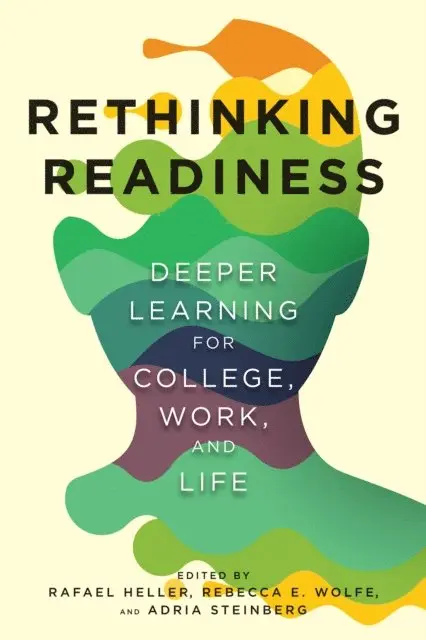
Rethinking Readiness offers a new set of competencies to replace the narrow learning goals of No Child Left Behind and, in chapters written by some of the nation’s most well-respected education scholars, explores their implications for schools. Today’s students must cultivate the full range of intellectual, interpersonal, and intrapersonal capacities that have been grouped together under the banner of “deeper learning.” Rethinking Readiness focuses on how educators and policy makers should move forward to provide the educational experiences that students need to become truly well prepared for college, careers, and civic life, including changes in curriculum, teacher evaluation, and student assessment. As state leaders chart a new course for K–12 education in the Every Student Succeeds Act era, Rethinking Readiness offers a succinct and compelling vision for a new agenda for school reform so future generations can prosper in a rapidly changing world.
Rethinking Readiness offers a new set of competencies to replace the narrow learning goals of No Child Left Behind and, in chapters written by some of the nation’s most well-respected education scholars, explores their implications for schools.Today’s students must cultivate the full range of intellectual, interpersonal, and intrapersonal capacities that have been grouped together under the banner of “deeper learning.” Rethinking Readiness focuses on how educators and policy makers should move forward to provide the educational experiences that students need to become truly well prepared for college, careers, and civic life, including changes in curriculum, teacher evaluation, and student assessment.As state leaders chart a new course for K–12 education in the Every Student Succeeds Act era, Rethinking Readiness offers a succinct and compelling vision for a new agenda for school reform so future generations can prosper in a rapidly changing world.
Anytime, Anywhere synthesises existing research and practices in the emerging field of student-centred learning, and includes profiles of schools that have embraced this approach.Since the time of Dewey, educators have argued that students should be at the centre of learning, constructing new knowledge based on what is interesting to them, and receiving guidance in classrooms—or anywhere they may happen to be—from adults with whom they have positive relationships. Now, with the advent of new technologies, researchers are confirming the value of this approach by showing how the human brain and memory work in response to different environments, and how digital tools give students powerful new ways to express what they’ve learned.
Rethinking Readiness offers a new set of competencies to replace the narrow learning goals of No Child Left Behind and, in chapters written by some of the nation’s most well-respected education scholars, explores their implications for schools.Today’s students must cultivate the full range of intellectual, interpersonal, and intrapersonal capacities that have been grouped together under the banner of “deeper learning.” Rethinking Readiness focuses on how educators and policy makers should move forward to provide the educational experiences that students need to become truly well prepared for college, careers, and civic life, including changes in curriculum, teacher evaluation, and student assessment.As state leaders chart a new course for K–12 education in the Every Student Succeeds Act era, Rethinking Readiness offers a succinct and compelling vision for a new agenda for school reform so future generations can prosper in a rapidly changing world.Contributors: David T. Conley; Louis Danielson; Linda Darling-Hammond; Rebecca Zumeta Edmonds; Sarah Fine; Diane Friedlaender; Patricia Gándara; Nancy Hoffman; Lynn Holdheide; Meredith I. Honig; Kei Kawashima-Ginsberg; Magdalene Lampert; Peter Levine; Jal Mehta; Pedro Noguera; Lydia R. Rainey; Sharon Vaughn.