
Häftad, Engelska, 2026
818 kr
Skickas inom 10-15 vardagar
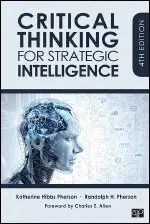
A highly regarded, easy-to-use handbook for developing core critical thinking skills and analytic techniques.
818 kr
Skickas inom 10-15 vardagar
1 953 kr
Skickas inom 10-15 vardagar

909 kr
Läs direkt efter köp
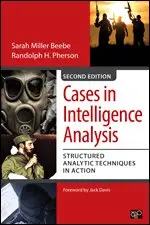
In Cases in Intelligence Analysis, accomplished instructors and intelligence practitioners Sarah Miller Beebe and Randolph H. Pherson offer robust, class-tested cases studies of events in foreign intelligence, counterintelligence, terrorism, homeland security, law enforcement, and decision-making support. In this Second Edition, the authors added five new case studies. Designed to give analysts-in-training an opportunity to apply structured analytic techniques and tackle real-life problems, each turnkey case delivers a captivating narrative, discussion questions, recommended readings, and a series of engaging analytic exercises. The text is logically organized and richly illustrated chapters begin with discussion questions, and a table of techniques precedes each set of exercises. Two hundred photos, maps, figures, tables, boxes, key terms and key takeaways, and technique templates support analysis and instruction.
1 238 kr
Skickas inom 10-15 vardagar

1 320 kr
Läs direkt efter köp

184 kr
Skickas inom 7-10 vardagar
982 kr
Skickas inom 10-15 vardagar

844 kr
Läs direkt efter köp
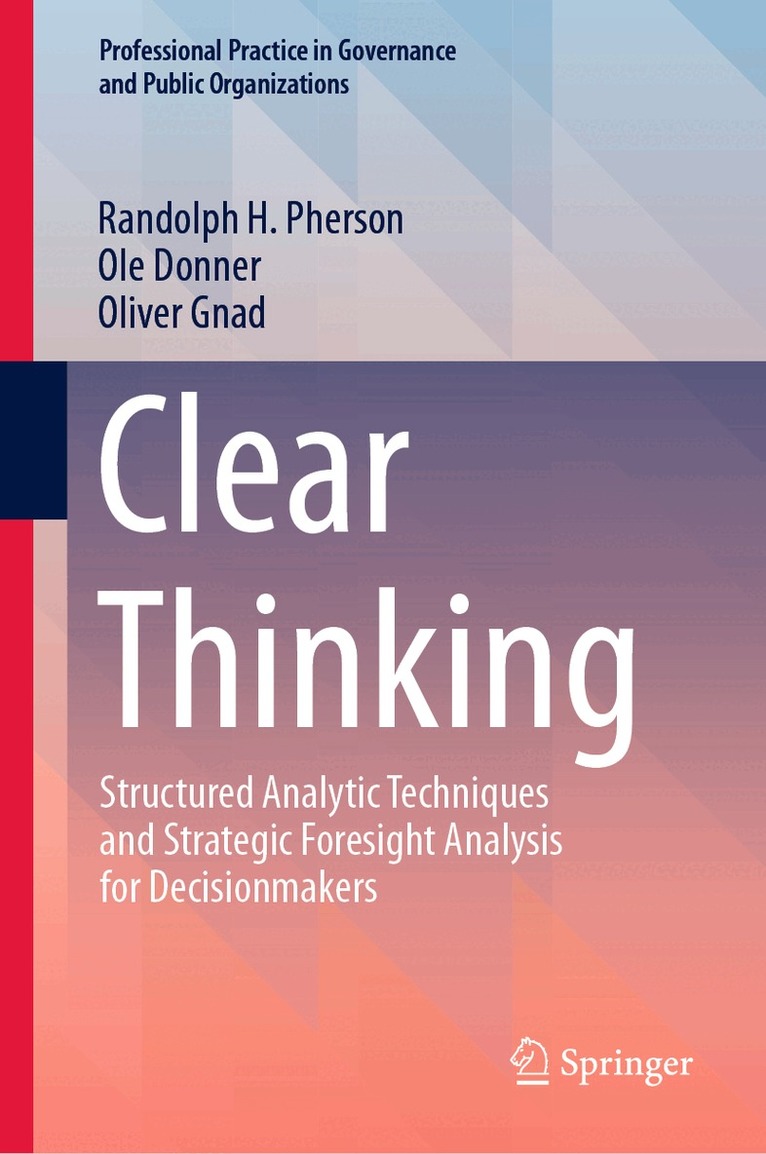
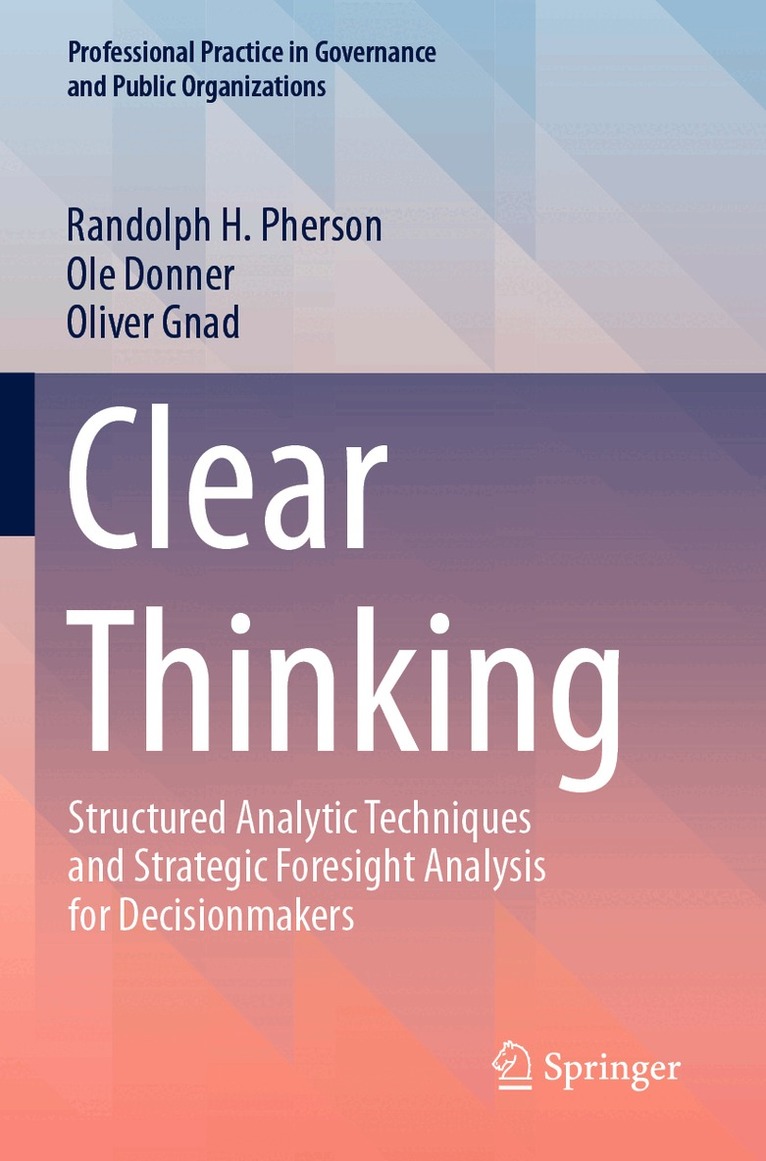
This book enables analysts in government and the private sector as well as policy advisors and decision makers to assess global risks and opportunities systematically, make well-founded and informed decisions, and anticipate the unanticipated. The authors illuminate the basics of intuitive and analytical thinking and how structured techniques can mitigate the impact of cognitive biases, misapplied heuristics, and intuitive traps. Three case studies illustrate how to apply over 30 Structured Analytic Techniques (SATs) with step-by-step instructions. The final chapter focuses on how to optimize the impact of your analytic product, be it a paper, briefing, or digital display.
691 kr
Skickas inom 10-15 vardagar
612 kr
Skickas inom 7-10 vardagar

506 kr
Läs direkt efter köp
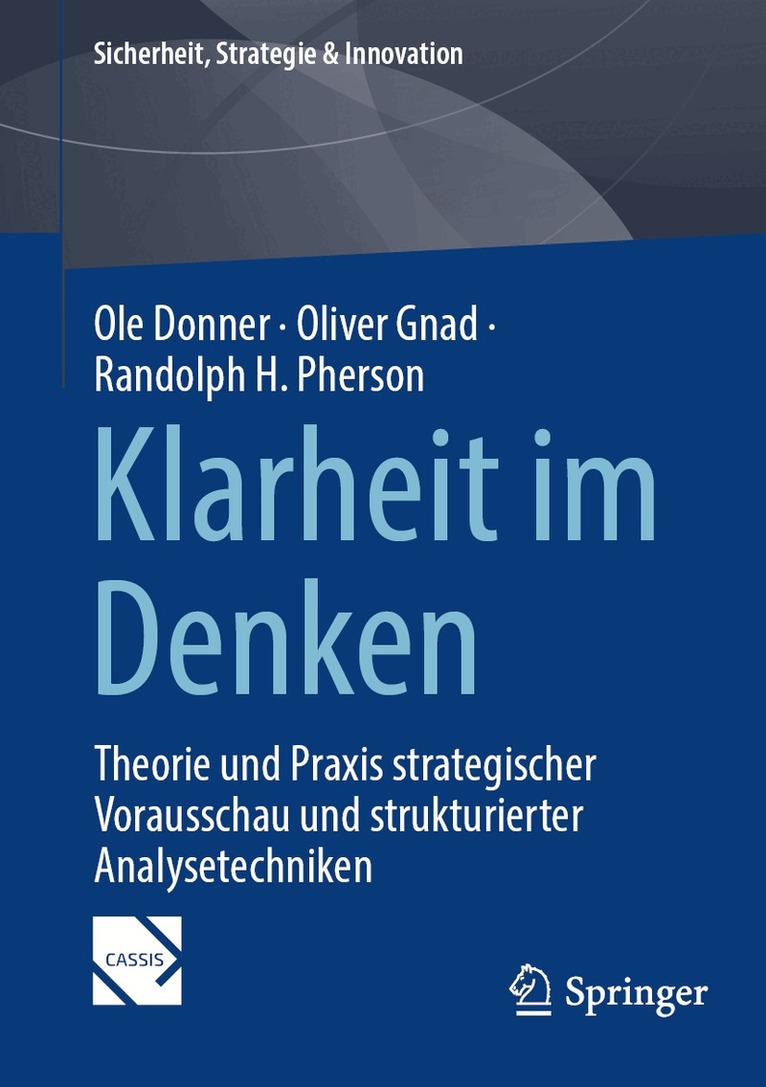
Dieses Buch versetzt Analystinnen und Analysten in Regierung, Privatwirtschaft und Think Tanks in die Lage, globale Risiken und Chancen systematisch zu bewerten, informierte Entscheidungen zu treffen und Unvorhergesehenes zu antizipieren. Die Autoren beleuchten die Grundlagen intuitiven und analytischen Denkens und zeigen auf, wie strukturierte Analysetechniken die Auswirkungen kognitiver Verzerrungen, falsch angewandter Heuristiken und intuitiver Fallen abmildern können. Drei Fallstudien veranschaulichen die Anwendung von über 30 Strukturierten Analyse-Techniken (SAT) in Schritt-für-Schritt-Anleitungen.