462 kr
Skickas
462 kr
Skickas
413 kr
Skickas inom 7-10 vardagar
413 kr
Skickas inom 7-10 vardagar
503 kr
Skickas inom 10-15 vardagar
474 kr
Skickas inom 10-15 vardagar
440 kr
Läs direkt efter köp
2 515 kr
Skickas inom 10-15 vardagar
571 kr
Läs direkt efter köp
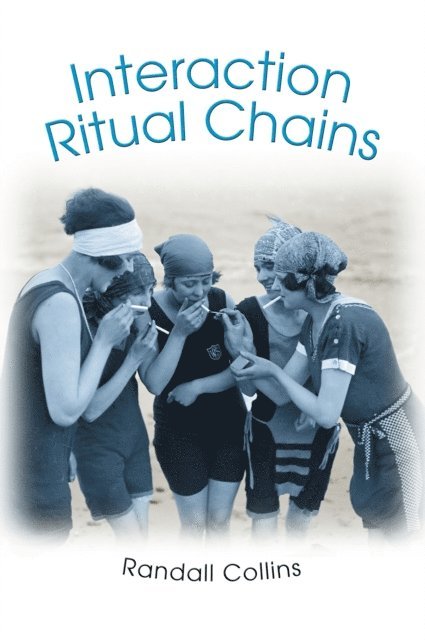
Sex, smoking, and social stratification are three very different social phenomena. And yet, argues sociologist Randall Collins, they and much else in our social lives are driven by a common force: interaction rituals. Interaction Ritual Chains is a major work of sociological theory that attempts to develop a "radical microsociology." It proposes that successful rituals create symbols of group membership and pump up individuals with emotional energy, while failed rituals drain emotional energy. Each person flows from situation to situation, drawn to those interactions where their cultural capital gives them the best emotional energy payoff. Thinking, too, can be explained by the internalization of conversations within the flow of situations; individual selves are thoroughly and continually social, constructed from the outside in. The first half of Interaction Ritual Chains is based on the classic analyses of Durkheim, Mead, and Goffman and draws on micro-sociological research on conversation, bodily rhythms, emotions, and intellectual creativity. The second half discusses how such activities as sex, smoking, and social stratification are shaped by interaction ritual chains. For example, the book addresses the emotional and symbolic nature of sexual exchanges of all sorts--from hand-holding to masturbation to sexual relationships with prostitutes--while describing the interaction rituals they involve. This book will appeal not only to psychologists, sociologists, and anthropologists, but to those in fields as diverse as human sexuality, religious studies, and literary theory.
2 836 kr
Skickas inom 7-10 vardagar
567 kr
Skickas inom 7-10 vardagar
1 772 kr
Skickas inom 3-6 vardagar
797 kr
Skickas inom 7-10 vardagar
1 696 kr
Skickas inom 3-6 vardagar
634 kr
Skickas inom 7-10 vardagar
440 kr
Läs direkt efter köp
1 146 kr
Skickas inom 7-10 vardagar
292 kr
Skickas inom 7-10 vardagar
3 146 kr
Skickas inom 7-10 vardagar
813 kr
Skickas inom 7-10 vardagar
2 479 kr
Skickas inom 3-6 vardagar
1 600 kr
Skickas inom 3-6 vardagar
1 705 kr
Skickas inom 10-15 vardagar
409 kr
Skickas inom 7-10 vardagar
654 kr
Läs direkt efter köp
658 kr
Läs direkt efter köp
520 kr
Läs direkt efter köp
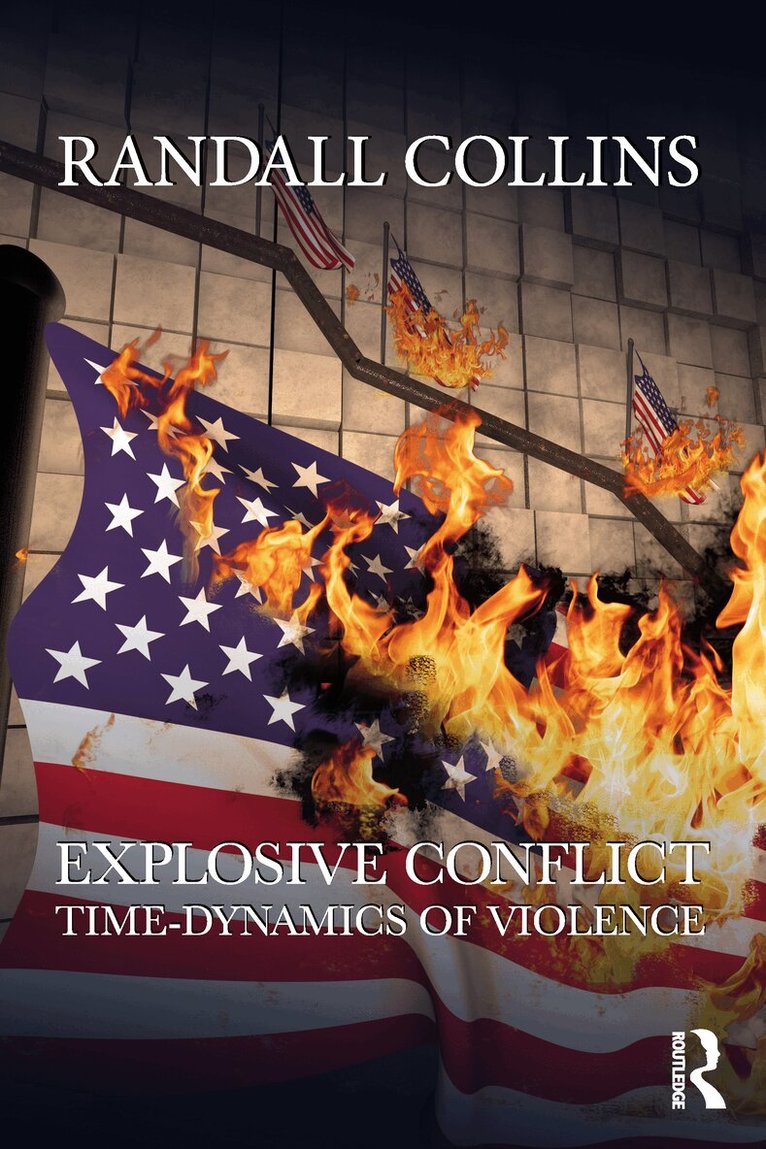
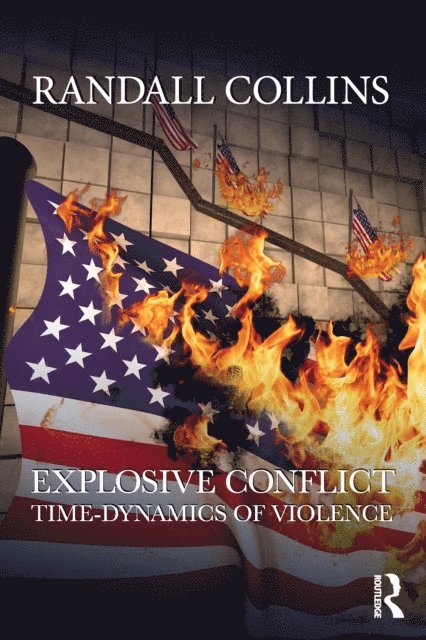
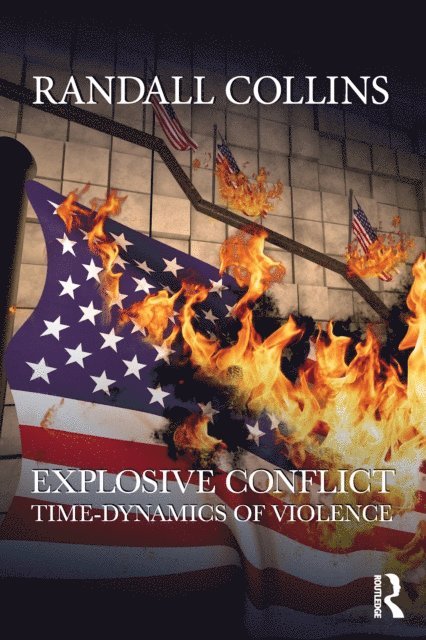
This sequel to Randall Collins'' world-influential micro-sociology of violence introduces the question of time-dynamics: what determines how long conflict lasts and how much damage it does. Inequality and hostility are not enough to explain when and where violence breaks out. Time-dynamics are the time-bubbles when people are most nationalistic; the hours after a protest starts when violence is most likely to happen. Ranging from the three months of nationalism and hysteria after 9/11 to the assault on the Capitol in 2021, Randall Collins shows what makes some protests more violent than others and why some revolutions are swift and non-violent tipping-points while others devolve into lengthy civil wars. Winning or losing are emotional processes, continuing in the era of computerized war, while high-tech spawns terrorist tactics of hiding in the civilian population and using cheap features of the Internet as substitutes for military organization. Nevertheless, Explosive Conflict offers some optimistic discoveries on clues to mass rampages and heading off police atrocities, with practical lessons from time-dynamics of violence.
678 kr
Skickas inom 10-15 vardagar
2 515 kr
Skickas inom 10-15 vardagar
1 187 kr
Läs direkt efter köp