1 057 kr
Skickas inom 10-15 vardagar
1 057 kr
Skickas inom 10-15 vardagar
2 164 kr
Läs direkt efter köp
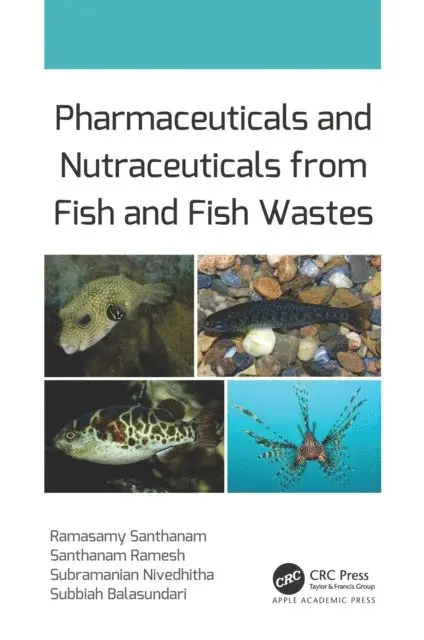
This comprehensive book brings together experts from both the marine science and pharmacy disciplines to relay important aspects on the pharmaceutical and nutraceutical values of 175 species of bony and cartilaginous fishes as well as the uses of fish processing byproducts and wastes.Presented in an easy-to-read style, the volume provides precise identification of freshwater and marine fishes possessing pharmaceutical and nutraceutical compounds along with over 180 photographs. Aspects covered include biology, ecology, diagnostic features, and pharmaceutical and nutraceutical compounds along with their activities for each of the fish included. The book details the bioactive compounds, including fish muscle proteins, peptides, collagen and gelatin, fish oil, etc., from such species, as well as the bioactive peptides that are derived from various fish muscle proteins, which have various biological activities, including cardio protective, antihypertensive, anticancer, anti-diabetic, antibacterial, anticoagulant, anti-inflammatory, and antioxidant activities. Also discussed are the nutritional benefits of fish consumption, which are largely due to the presence of proteins, unsaturated essential fatty acids, minerals, and vitamins. The waste products obtained during fish processing are also a potential source of bioactive peptides that can be used as a source of nitrogen and amino acids, which have immunomodulatory, antibacterial, antitrombotic, and antihypertensive properties. This volume provides the information needed to tap into these vast pharmaceutical and nutraceutical benefits. Pharmaceuticals and Nutraceuticals from Fish and Fish Wastes will be of great use for students and researchers of disciplines such as pharmaceutical sciences, marine/fisheries sciences, marine microbiology, and marine biotechnology. It will also be a standard reference for libraries of colleges and universities and a guide for pharmaceutical companies involved in the development of new drugs from fishes and their wastes.
2 196 kr
Läs direkt efter köp
This comprehensive book brings together experts from both the marine science and pharmacy disciplines to relay important aspects on the pharmaceutical and nutraceutical values of 175 species of bony and cartilaginous fishes as well as the uses of fish processing byproducts and wastes.Presented in an easy-to-read style, the volume provides precise identification of freshwater and marine fishes possessing pharmaceutical and nutraceutical compounds along with over 180 photographs. Aspects covered include biology, ecology, diagnostic features, and pharmaceutical and nutraceutical compounds along with their activities for each of the fish included. The book details the bioactive compounds, including fish muscle proteins, peptides, collagen and gelatin, fish oil, etc., from such species, as well as the bioactive peptides that are derived from various fish muscle proteins, which have various biological activities, including cardio protective, antihypertensive, anticancer, anti-diabetic, antibacterial, anticoagulant, anti-inflammatory, and antioxidant activities. Also discussed are the nutritional benefits of fish consumption, which are largely due to the presence of proteins, unsaturated essential fatty acids, minerals, and vitamins. The waste products obtained during fish processing are also a potential source of bioactive peptides that can be used as a source of nitrogen and amino acids, which have immunomodulatory, antibacterial, antitrombotic, and antihypertensive properties. This volume provides the information needed to tap into these vast pharmaceutical and nutraceutical benefits. Pharmaceuticals and Nutraceuticals from Fish and Fish Wastes will be of great use for students and researchers of disciplines such as pharmaceutical sciences, marine/fisheries sciences, marine microbiology, and marine biotechnology. It will also be a standard reference for libraries of colleges and universities and a guide for pharmaceutical companies involved in the development of new drugs from fishes and their wastes.
2 490 kr
Läs direkt efter köp
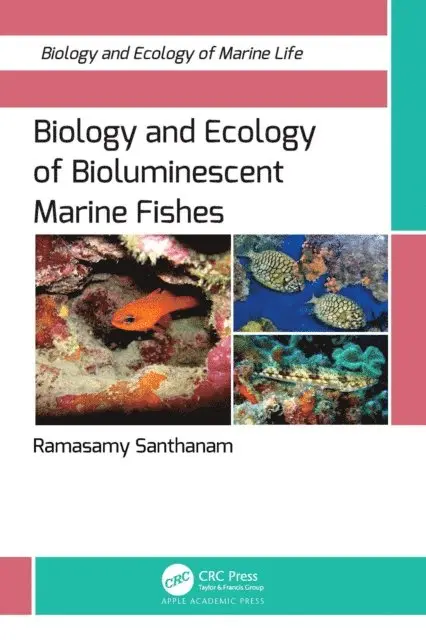
This enlightening new volume details over 200 species of bioluminescent marine fishes along with their biotechnological and therapeutic applications. It delves into the chemistry, diversity, biology, and functions of these fishes.
Bioluminescence, which is a type of chemiluminescence and is a "cold living light," is seen in a wide variety of organisms from bacteria to fish. The chemicals and circumstances of this phenomenon are used for biotechnological, commercial, and therapeutic applications. Bioluminescence imaging technology has provided valuable means for the monitoring of different biological processes for immunology, oncology, virology, and neuroscience. A new emerging biological technique that combines luminescence with optogenetics involves the use of light to control cells, particularly neurons, in living tissue. Bioluminescence may also be as a potential form of green energy.
The author states that more than 75% of deep-sea creatures (700 marine genera within 16 phyla) have been estimated to possess this phenomenon of bioluminescence. While marine plants do not display bioluminescence, several organisms such as the dinoflagellate, cnidarian, jellyfish, ostracod crustacean, molluscan squids and lantern fish are well known for their luminescence. Bioluminescence is employed by marine organisms mainly to hunt their prey, to defend against predators and in reproduction.
This scientifically comprehensive and well-illustrated book will serve as an essential standard reference for students and teachers as well as marine biologists, fisheries scientists, zoologists, and environmentalists.
2 545 kr
Läs direkt efter köp
This enlightening new volume details over 200 species of bioluminescent marine fishes along with their biotechnological and therapeutic applications. It delves into the chemistry, diversity, biology, and functions of these fishes.
Bioluminescence, which is a type of chemiluminescence and is a "cold living light," is seen in a wide variety of organisms from bacteria to fish. The chemicals and circumstances of this phenomenon are used for biotechnological, commercial, and therapeutic applications. Bioluminescence imaging technology has provided valuable means for the monitoring of different biological processes for immunology, oncology, virology, and neuroscience. A new emerging biological technique that combines luminescence with optogenetics involves the use of light to control cells, particularly neurons, in living tissue. Bioluminescence may also be as a potential form of green energy.
The author states that more than 75% of deep-sea creatures (700 marine genera within 16 phyla) have been estimated to possess this phenomenon of bioluminescence. While marine plants do not display bioluminescence, several organisms such as the dinoflagellate, cnidarian, jellyfish, ostracod crustacean, molluscan squids and lantern fish are well known for their luminescence. Bioluminescence is employed by marine organisms mainly to hunt their prey, to defend against predators and in reproduction.
This scientifically comprehensive and well-illustrated book will serve as an essential standard reference for students and teachers as well as marine biologists, fisheries scientists, zoologists, and environmentalists.
2 390 kr
Läs direkt efter köp
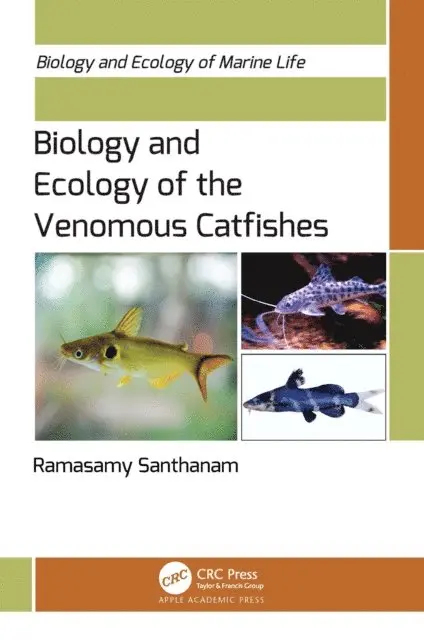
Here is a first-of-its-kind volume on the biology and ecology of venomous and traumatogenic freshwater and marine catfishes. This comprehensive volume first provides an introduction to venomous catfish families and then goes on to describe and explain their diversity, species, characteristics, geographical distribution, venomous symptoms, ecology, and the pharmaceutical value of catfish venoms.
Catfish form an important group of fishes with many different roles, including as food, as ornamental fishes, and for sport fishing. Catfish are found to be distributed worldwide but are most abundantly distributed in the tropics of Asia, Africa, and South America. Like jellyfish, scorpions, and snakes, several species of catfish have been reported to be venomous with their painful stings. The major groups of persons at risk for catfish envenomation are fishermen and water sports participants. It is estimated that 1625 species of catfish are venomous although this has been studied for only 158 species. While some species of catfish cause mild envenomation, several species have been reported to cause severe envenomation associated with secondary bacterial infections. The symptoms related to catfish envenomation include local intense pain, edema, erythema, paleness, and cutaneous necrosis. Notable species of catfish causing serious envenomations include the Arabian Gulf catfish (Arius thalassinus), Carolina madtom (Noturus furiosus), and Oriental catfish (Plotosus lineatus).
Providing extensive information, this volume serves as a text and reference for students and researchers of several disciplines, such as marine biology, fisheries science, and aquatic biology; as a guide for physicians and environmentalists; and as a valuable reference book for marine libraries of colleges and universities.
2 355 kr
Läs direkt efter köp
Here is a first-of-its-kind volume on the biology and ecology of venomous and traumatogenic freshwater and marine catfishes. This comprehensive volume first provides an introduction to venomous catfish families and then goes on to describe and explain their diversity, species, characteristics, geographical distribution, venomous symptoms, ecology, and the pharmaceutical value of catfish venoms.
Catfish form an important group of fishes with many different roles, including as food, as ornamental fishes, and for sport fishing. Catfish are found to be distributed worldwide but are most abundantly distributed in the tropics of Asia, Africa, and South America. Like jellyfish, scorpions, and snakes, several species of catfish have been reported to be venomous with their painful stings. The major groups of persons at risk for catfish envenomation are fishermen and water sports participants. It is estimated that 1625 species of catfish are venomous although this has been studied for only 158 species. While some species of catfish cause mild envenomation, several species have been reported to cause severe envenomation associated with secondary bacterial infections. The symptoms related to catfish envenomation include local intense pain, edema, erythema, paleness, and cutaneous necrosis. Notable species of catfish causing serious envenomations include the Arabian Gulf catfish (Arius thalassinus), Carolina madtom (Noturus furiosus), and Oriental catfish (Plotosus lineatus).
Providing extensive information, this volume serves as a text and reference for students and researchers of several disciplines, such as marine biology, fisheries science, and aquatic biology; as a guide for physicians and environmentalists; and as a valuable reference book for marine libraries of colleges and universities.
2 078 kr
Läs direkt efter köp
2 064 kr
Läs direkt efter köp
1 230 kr
Läs direkt efter köp
992 kr
Läs direkt efter köp
2 675 kr
Läs direkt efter köp
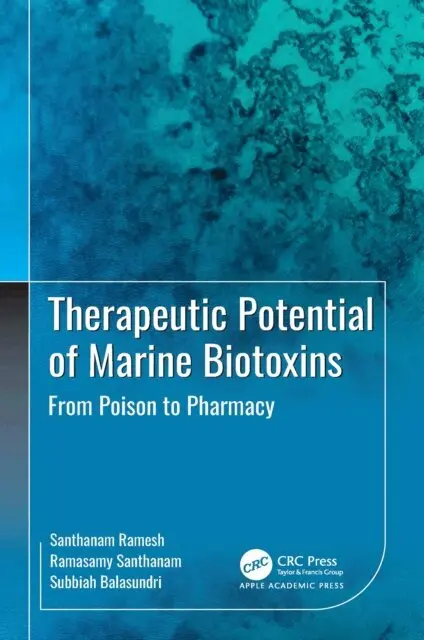
Marine biotoxins are poisonous compounds produced mainly by certain kinds of microalgae. These microalgae and their toxins may adversely impact the marine environment and fisheries and even humans directly or indirectly. What is little known is that these toxins and poisons also have therapeutic potential that can be effective against various diseases. The new title, Therapeutic Potential of Marine Biotoxins: From Poison to Pharmacy, explores the state of the art of the therapeutic potential of marine biotoxins, emphasizing the present gaps in the existing knowledge on marine biotoxins.
The book covers the types and chemistry of marine biotoxins; marine phyla yielding biotoxins; the impact of marine biotoxins on the environment, on fisheries, and on human health; and marine phycotoxins, invertebrate toxins, and fish toxins and their therapeutic potential as pharmacological agents for several disorders, including cancer, diabetes, hypertension, dyslipidemia, and obesity. The book provides the names of marine taxonomic groups and further explores the therapeutic potential of certain groups, including marine fishes, marine algae, and more. The impact of marine biotoxins on human health is explored using case informative studies.
As one of the very few books on this topic, this book will be of great value as a standard reference for pharmaceutical researchers as well as researchers and faculty and students of various disciplines such as biomedical sciences, pharmaceutical sciences, marine biology, and fisheries science. It will also serve as a valuable reference for libraries of colleges and universities and as a guide for the pharmaceutical industries involved in the development of new marine biotoxin-derived drugs.
2 617 kr
Läs direkt efter köp
Marine biotoxins are poisonous compounds produced mainly by certain kinds of microalgae. These microalgae and their toxins may adversely impact the marine environment and fisheries and even humans directly or indirectly. What is little known is that these toxins and poisons also have therapeutic potential that can be effective against various diseases. The new title, Therapeutic Potential of Marine Biotoxins: From Poison to Pharmacy, explores the state of the art of the therapeutic potential of marine biotoxins, emphasizing the present gaps in the existing knowledge on marine biotoxins.
The book covers the types and chemistry of marine biotoxins; marine phyla yielding biotoxins; the impact of marine biotoxins on the environment, on fisheries, and on human health; and marine phycotoxins, invertebrate toxins, and fish toxins and their therapeutic potential as pharmacological agents for several disorders, including cancer, diabetes, hypertension, dyslipidemia, and obesity. The book provides the names of marine taxonomic groups and further explores the therapeutic potential of certain groups, including marine fishes, marine algae, and more. The impact of marine biotoxins on human health is explored using case informative studies.
As one of the very few books on this topic, this book will be of great value as a standard reference for pharmaceutical researchers as well as researchers and faculty and students of various disciplines such as biomedical sciences, pharmaceutical sciences, marine biology, and fisheries science. It will also serve as a valuable reference for libraries of colleges and universities and as a guide for the pharmaceutical industries involved in the development of new marine biotoxin-derived drugs.
2 597 kr
Läs direkt efter köp
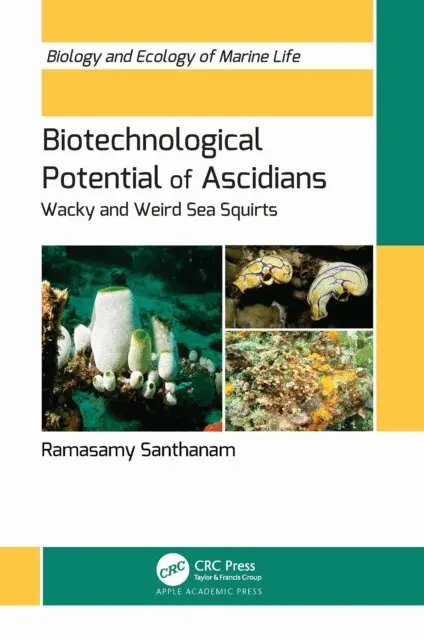
As blue biotechnology—the application of science and technology to living aquatic organisms for the production of knowledge, goods, and services—is gaining momentum in recent decades, this volume provides needed and the state-of-the-art information on the biotechnological potential of the as-yet understudied world of ascidians (sea squirts) of the different seas and oceans.
It covers their biotechnological applications in the production and development of human food and as feed for aquatic farmed animals; for their therapeutic values from natural compounds in medicine; for their production of pure and high-quality cellulose that can be used in industrial products and by-products; for their bioremediating agents against marine pollution; as well as for their uses in bioethanol production.
Biotechnological Potential of Ascidians: Wacky and Weird Sea Squirts is a valuable resource for scientists and researchers as well as students and faculty in marine biology and fisheries science as well as for industry professionals looking into exploring new marine sources for the development of food, feed, drugs, fuel, and more.
2 522 kr
Läs direkt efter köp
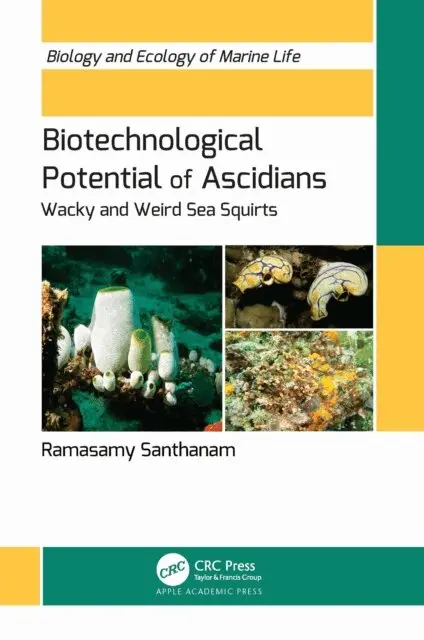
As blue biotechnology—the application of science and technology to living aquatic organisms for the production of knowledge, goods, and services—is gaining momentum in recent decades, this volume provides needed and the state-of-the-art information on the biotechnological potential of the as-yet understudied world of ascidians (sea squirts) of the different seas and oceans.
It covers their biotechnological applications in the production and development of human food and as feed for aquatic farmed animals; for their therapeutic values from natural compounds in medicine; for their production of pure and high-quality cellulose that can be used in industrial products and by-products; for their bioremediating agents against marine pollution; as well as for their uses in bioethanol production.
Biotechnological Potential of Ascidians: Wacky and Weird Sea Squirts is a valuable resource for scientists and researchers as well as students and faculty in marine biology and fisheries science as well as for industry professionals looking into exploring new marine sources for the development of food, feed, drugs, fuel, and more.
1 058 kr
Skickas inom 10-15 vardagar
1 873 kr
Läs direkt efter köp
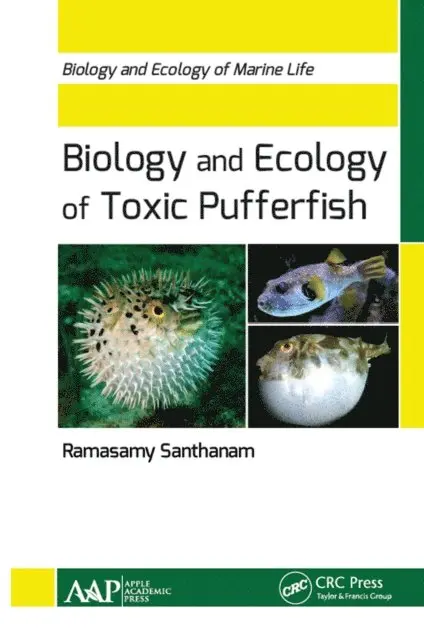
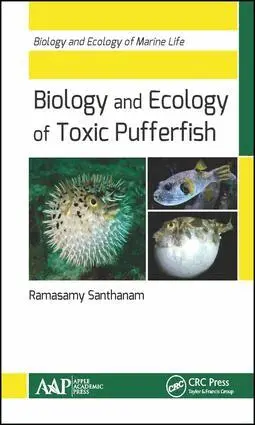
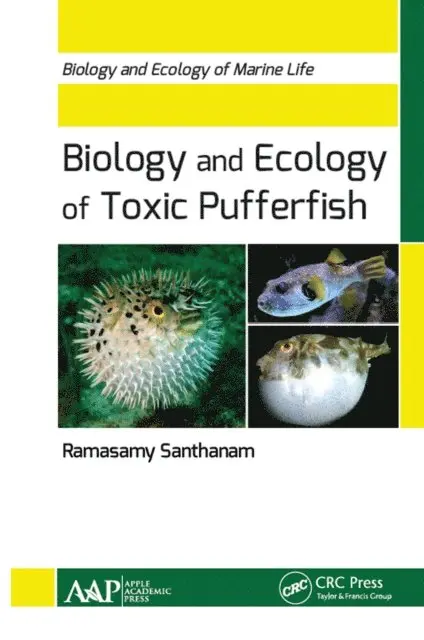
This is the first comprehensive book on the biology and ecology of pufferfish, also known as blowfish, swellfish, and globefish. Covering 197 species of pufferfish recorded so far from the marine, brackish, and freshwater ecosystems of the world, this important volume expounds on the toxins and associated poisonings of pufferfish. Importantly, the volume also explores the many uses of pufferfish, such as in aquariums, for their nutritional and culinary value, and for their emerging uses in the treatment of pain.
Topics covered include:
biology and ecology of pufferfish profiles of the world’s marine, brackish, and freshwater pufferfish species characteristics of TTX (tetrodotoxin) and STX (saxitoxin) of pufferfish pufferfish poisoning and symptoms: treatment and management aquarium uses of pufferfish nutritional and pharmaceutical values of pufferfish diseases and parasites of pufferfish and their management
1 905 kr
Läs direkt efter köp
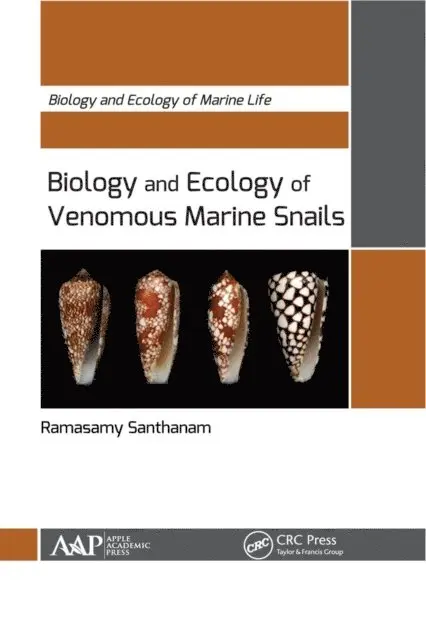
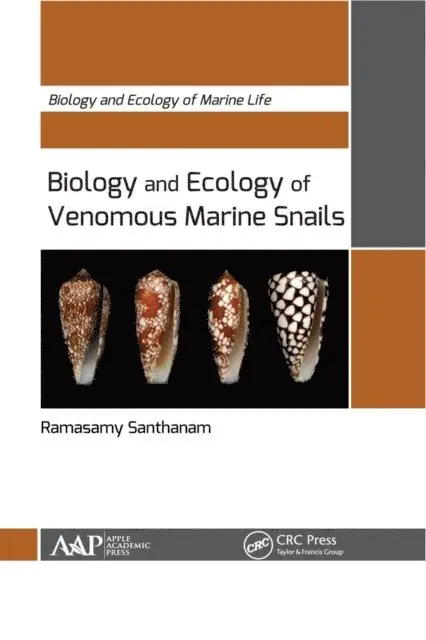
The first comprehensive volume exclusively on marine cone snails, this book provides descriptions of over 100 species of hazardous marine snails along with their biological and ecological characteristics; the characteristics of conotoxins; information on cone snail injuries and their treatment along with prevention measures; and the therapeutic and medicinal value of conotoxins, including as a powerful nonaddictive painkiller, an epilepsy drug, and more. Over 275 color illustrations accompany the text for easy identification.
2 219 kr
Läs direkt efter köp
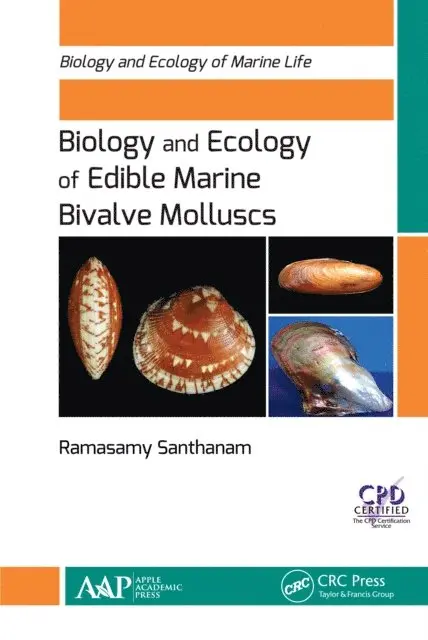
This comprehensive volume provides a plethora of first-hand information on the diversity, biology, and ecology of edible marine bivalve molluscs. It covers the biology of edible marine bivalves; profiles about 180 species, providing information on their habitat, distribution, morphology, food and feeding, reproduction, conservation status, etc.; discusses their nutritional values; examines their pharmaceutical value; and looks at their diseases and parasites. This abundance of knowledge is presented in an easy-to-read style with informative illustrations.
Marine bivalve molluscs play important roles in the marine ecosystems by filtering water and serving as habitat and prey for a variety of sea life. This diverse group of species, estimated at around 9,200, inhabits virtually the entire world’s oceans, from the balmy tropics to the sub-zero Arctic, and from deep oceans to sandy and rocky shorelines. Among the marine bivalves, a total of 180 species (including mussels, oysters, scallops, cockles, and clams) have long been a part of the diet of coastal human populations. Many species of marine bivalves are also commercially important for other purposes, such as pearls and shells for jewelry and decoration.
The volume, part of the Biology and Ecology of Marine Life book series, will be of great use to students and researchers in fisheries science, marine biology, aquatic biology, and zoology.
2 253 kr
Läs direkt efter köp
This comprehensive volume provides a plethora of first-hand information on the diversity, biology, and ecology of edible marine bivalve molluscs. It covers the biology of edible marine bivalves; profiles about 180 species, providing information on their habitat, distribution, morphology, food and feeding, reproduction, conservation status, etc.; discusses their nutritional values; examines their pharmaceutical value; and looks at their diseases and parasites. This abundance of knowledge is presented in an easy-to-read style with informative illustrations.
Marine bivalve molluscs play important roles in the marine ecosystems by filtering water and serving as habitat and prey for a variety of sea life. This diverse group of species, estimated at around 9,200, inhabits virtually the entire world’s oceans, from the balmy tropics to the sub-zero Arctic, and from deep oceans to sandy and rocky shorelines. Among the marine bivalves, a total of 180 species (including mussels, oysters, scallops, cockles, and clams) have long been a part of the diet of coastal human populations. Many species of marine bivalves are also commercially important for other purposes, such as pearls and shells for jewelry and decoration.
The volume, part of the Biology and Ecology of Marine Life book series, will be of great use to students and researchers in fisheries science, marine biology, aquatic biology, and zoology.
2 287 kr
Läs direkt efter köp
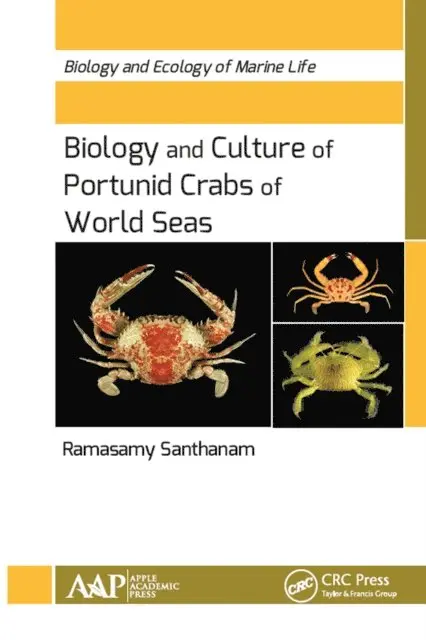
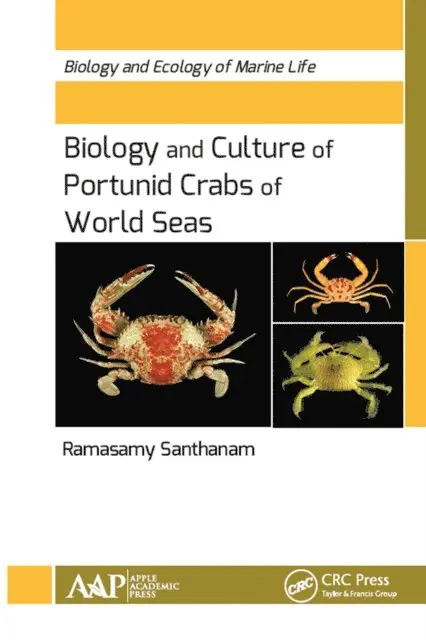
Biology and Culture of Portunid Crabs of World Seas provides an abundance of valuable first-hand information about the diversity, biology, ecology culture of the portunid crabs of the word seas.
Marine crabs play an important role directly or indirectly in the livelihood of millions of people around the world. They have been reported to make up about 20% of all marine crustaceans caught, farmed, and consumed worldwide. Among these marine crabs, portunid crabs or swimming crabs of the family Portunidae (Class: Crustacea; Order: Decapoda; Infraorder: Brachyura) assume greater significance in the marine industry owing to their delicate meat with nutritional qualities. Although, several species of portunid crabs are edible and commercially important, only a few species of Scylla and Portunus have been widely cultivated. This is largely due to the lack of information on the biology of portunid crabs. Keeping this in view, this new volume presents the biology and aquaculture of marine portunid crabs.
This volume will be of great use for researchers and students of disciplines such as fisheries science, marine biology, aquatic biology and fisheries and zoology and will also serve as a standard reference for college, university, and research libraries around the world.
2 321 kr
Läs direkt efter köp
Biology and Culture of Portunid Crabs of World Seas provides an abundance of valuable first-hand information about the diversity, biology, ecology culture of the portunid crabs of the word seas.
Marine crabs play an important role directly or indirectly in the livelihood of millions of people around the world. They have been reported to make up about 20% of all marine crustaceans caught, farmed, and consumed worldwide. Among these marine crabs, portunid crabs or swimming crabs of the family Portunidae (Class: Crustacea; Order: Decapoda; Infraorder: Brachyura) assume greater significance in the marine industry owing to their delicate meat with nutritional qualities. Although, several species of portunid crabs are edible and commercially important, only a few species of Scylla and Portunus have been widely cultivated. This is largely due to the lack of information on the biology of portunid crabs. Keeping this in view, this new volume presents the biology and aquaculture of marine portunid crabs.
This volume will be of great use for researchers and students of disciplines such as fisheries science, marine biology, aquatic biology and fisheries and zoology and will also serve as a standard reference for college, university, and research libraries around the world.
1 978 kr
Läs direkt efter köp
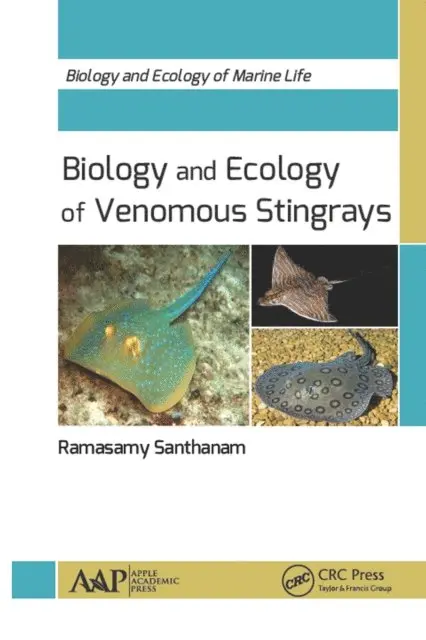
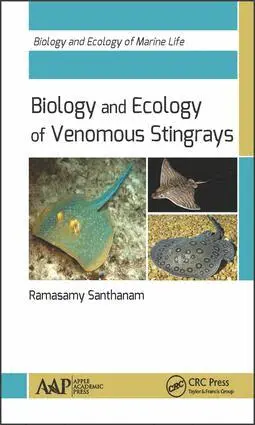
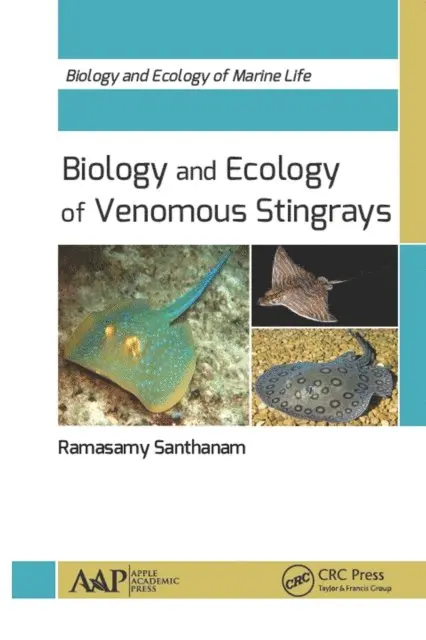
This comprehensive book provides first-hand information on the diversity, biology, and ecology of venomous stingrays of freshwater, brackish, and marine ecosystems. Each year thousands of injuries to swimmers and surfers are reported, with 750 to 1,500 stingray injuries reported each year in the US alone. As more vacationers spend their leisure time exploring coasts and tropical reefs, often in isolated areas without immediate access to advanced health care, there will be greater potential for stingray injuries. A thorough understanding about the diversity of stingrays of marine and freshwater ecosystems and their injuries and envenomations would largely improve the public health community’s ability to better manage and to prevent stingray injuries. This volume fills that gap.
With over 200 photos and illustrations, this book shows the characteristics of venomous stingray families along with other profile information, such as common name, geographical distribution, diagnostic features, reproduction, predators, parasites, the International Union for Conservation of Nature’s conservation status. Importantly, it includes valuable information on stingray injuries, envenomation, and medical management.
This volume will be very informative for students of fisheries science, marine biology, aquatic biology, and environmental sciences, and will become a standard reference for marine professionals, health practitioners, and college and university libraries, and as a helpful on-board
1 230 kr
Läs direkt efter köp
1 660 kr
Skickas inom 7-10 vardagar
1 905 kr
Läs direkt efter köp
The first comprehensive volume exclusively on marine cone snails, this book provides descriptions of over 100 species of hazardous marine snails along with their biological and ecological characteristics; the characteristics of conotoxins; information on cone snail injuries and their treatment along with prevention measures; and the therapeutic and medicinal value of conotoxins, including as a powerful nonaddictive painkiller, an epilepsy drug, and more. Over 275 color illustrations accompany the text for easy identification.
1 434 kr
Skickas
1 832 kr
Läs direkt efter köp
This is the first comprehensive book on the biology and ecology of pufferfish, also known as blowfish, swellfish, and globefish. Covering 197 species of pufferfish recorded so far from the marine, brackish, and freshwater ecosystems of the world, this important volume expounds on the toxins and associated poisonings of pufferfish. Importantly, the volume also explores the many uses of pufferfish, such as in aquariums, for their nutritional and culinary value, and for their emerging uses in the treatment of pain.
Topics covered include:
biology and ecology of pufferfish profiles of the world’s marine, brackish, and freshwater pufferfish species characteristics of TTX (tetrodotoxin) and STX (saxitoxin) of pufferfish pufferfish poisoning and symptoms: treatment and management aquarium uses of pufferfish nutritional and pharmaceutical values of pufferfish diseases and parasites of pufferfish and their management
1 759 kr
Skickas inom 10-15 vardagar
1 991 kr
Läs direkt efter köp
This comprehensive book provides first-hand information on the diversity, biology, and ecology of venomous stingrays of freshwater, brackish, and marine ecosystems. Each year thousands of injuries to swimmers and surfers are reported, with 750 to 1,500 stingray injuries reported each year in the US alone. As more vacationers spend their leisure time exploring coasts and tropical reefs, often in isolated areas without immediate access to advanced health care, there will be greater potential for stingray injuries. A thorough understanding about the diversity of stingrays of marine and freshwater ecosystems and their injuries and envenomations would largely improve the public health community’s ability to better manage and to prevent stingray injuries. This volume fills that gap.
With over 200 photos and illustrations, this book shows the characteristics of venomous stingray families along with other profile information, such as common name, geographical distribution, diagnostic features, reproduction, predators, parasites, the International Union for Conservation of Nature’s conservation status. Importantly, it includes valuable information on stingray injuries, envenomation, and medical management.
This volume will be very informative for students of fisheries science, marine biology, aquatic biology, and environmental sciences, and will become a standard reference for marine professionals, health practitioners, and college and university libraries, and as a helpful on-board