1 829 kr
Skickas inom 10-15 vardagar
1 829 kr
Skickas inom 10-15 vardagar
1 015 kr
Läs direkt efter köp
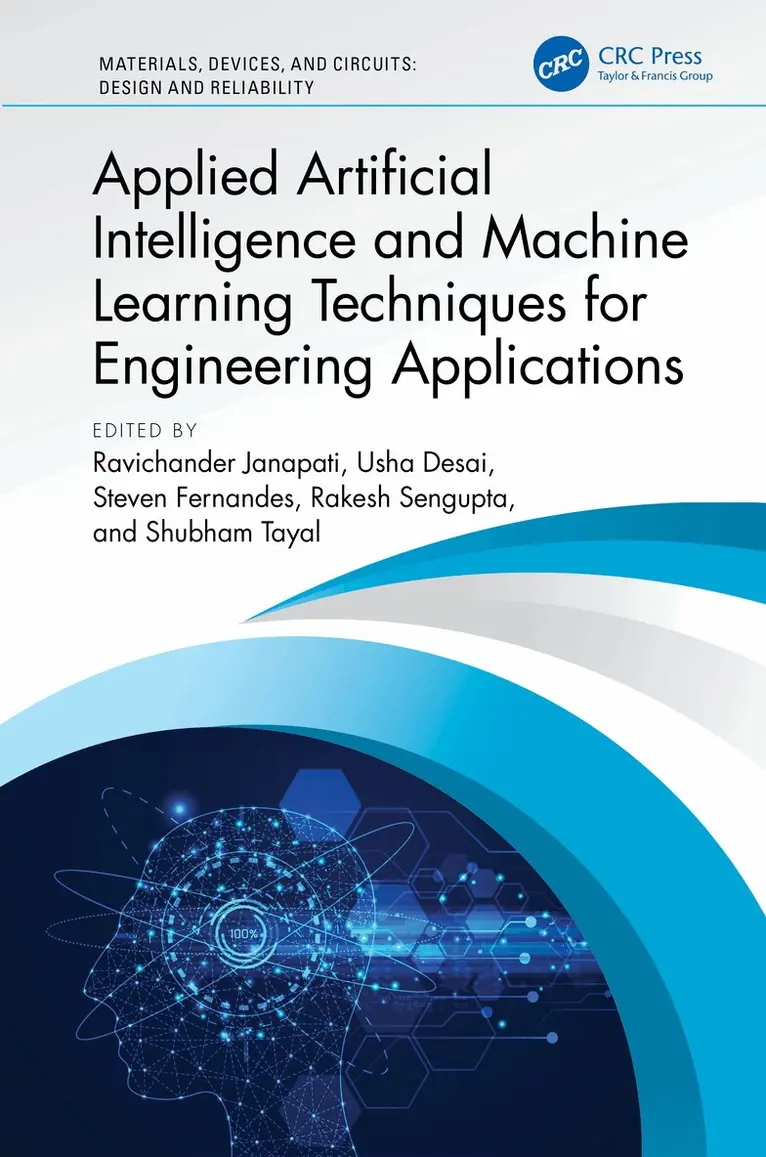
This book presents various machine learning applications in the field of engineering with a focus on deep learning-based machine learning approaches. It examines the relationship between three different multidisciplinary engineering branches: biomedical engineering, signal processing, and computer science.
Applied Artificial Intelligence and Machine Learning Techniques for Engineering Applications explores recent advancements in the use of AI/ML in practical engineering applications by inviting top experts to share the outcomes of their most recent work. Among the topics explored are detection, measurement, and monitoring of signals (biosensors and biomedical devices) and the use of diagnostic interpretations of bioelectric data using signal-processing techniques. The authors also address several machine learning tasks, such as classification (supervised learning) and clustering (unsupervised learning), in the context of engineering. Finally, the book also describes the development of new biomaterials for use in the body.
The book will be a great help to researchers and academics working in the fields of biomedical signaling and/or human-machine interface.
992 kr
Läs direkt efter köp
This book presents various machine learning applications in the field of engineering with a focus on deep learning-based machine learning approaches. It examines the relationship between three different multidisciplinary engineering branches: biomedical engineering, signal processing, and computer science.
Applied Artificial Intelligence and Machine Learning Techniques for Engineering Applications explores recent advancements in the use of AI/ML in practical engineering applications by inviting top experts to share the outcomes of their most recent work. Among the topics explored are detection, measurement, and monitoring of signals (biosensors and biomedical devices) and the use of diagnostic interpretations of bioelectric data using signal-processing techniques. The authors also address several machine learning tasks, such as classification (supervised learning) and clustering (unsupervised learning), in the context of engineering. Finally, the book also describes the development of new biomaterials for use in the body.
The book will be a great help to researchers and academics working in the fields of biomedical signaling and/or human-machine interface.
2 063 kr
Läs direkt efter köp
2 078 kr
Läs direkt efter köp
1 829 kr
Skickas inom 10-15 vardagar
999 kr
Skickas inom 10-15 vardagar
1 170 kr
Läs direkt efter köp
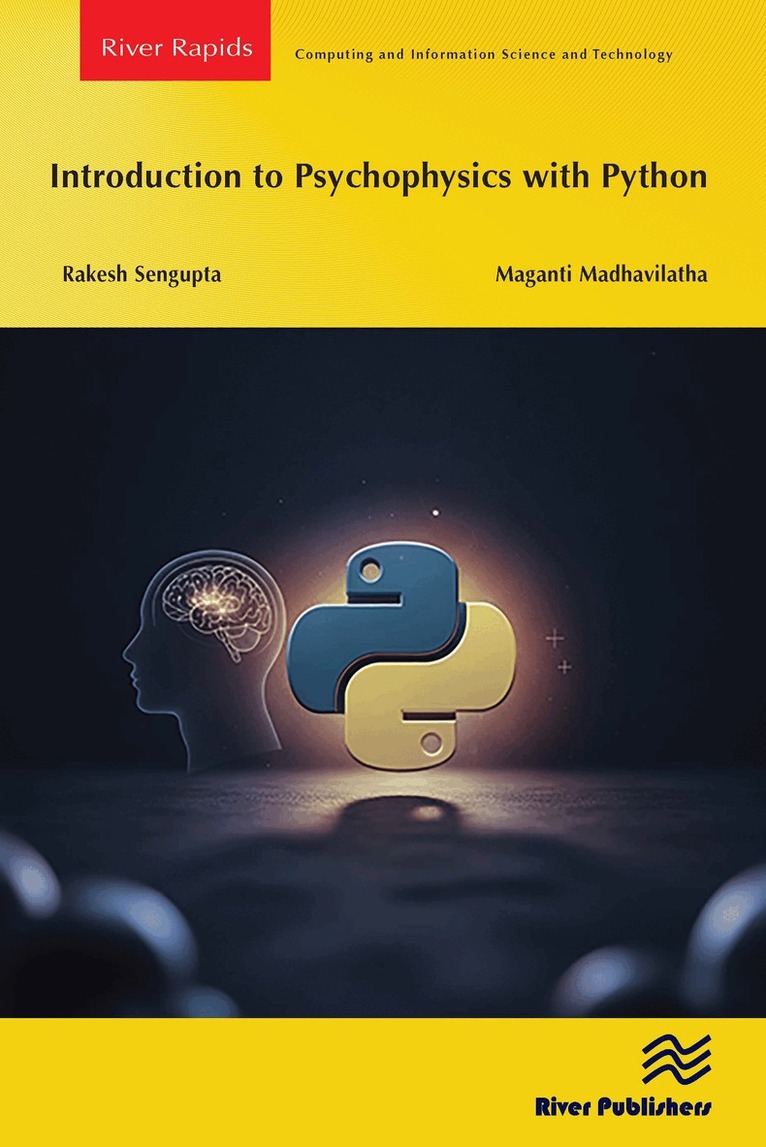
Introduction to Psychophysics with Python is a hands-on guide to exploring how we sense and perceive the world—powered by modern Python programming. Bridging classical theory with today’s computational tools, it equips students and researchers to design, run, and analyze psychophysical experiments with confidence.
Starting from the foundations laid by Weber, Fechner, and Stevens, the book traces the evolution of psychophysics into contemporary practice. Readers gain a clear grounding in sensory physiology, experimental design, and statistical analysis, always tied to the central challenge: connecting physical stimuli to perceptual responses and making sense of the data.
What sets this book apart is its practical, step-by-step approach. Through tutorials and annotated code using PsychoPy, readers learn Python essentials—loops, conditionals, data handling—while building real experiments. These skills extend seamlessly into advanced methods like curve fitting, bootstrapping, and statistical inference.
Illustrated with intuitive explanations, diagrams, and thought-provoking exercises, the book blends conceptual clarity with real-world application. By the end, readers will not only understand the principles of psychophysics but also have the coding expertise to create and analyze their own experiments—opening the door to deeper insights into sensation and perception.
1 104 kr
Läs direkt efter köp
Introduction to Psychophysics with Python is a hands-on guide to exploring how we sense and perceive the world—powered by modern Python programming. Bridging classical theory with today’s computational tools, it equips students and researchers to design, run, and analyze psychophysical experiments with confidence.
Starting from the foundations laid by Weber, Fechner, and Stevens, the book traces the evolution of psychophysics into contemporary practice. Readers gain a clear grounding in sensory physiology, experimental design, and statistical analysis, always tied to the central challenge: connecting physical stimuli to perceptual responses and making sense of the data.
What sets this book apart is its practical, step-by-step approach. Through tutorials and annotated code using PsychoPy, readers learn Python essentials—loops, conditionals, data handling—while building real experiments. These skills extend seamlessly into advanced methods like curve fitting, bootstrapping, and statistical inference.
Illustrated with intuitive explanations, diagrams, and thought-provoking exercises, the book blends conceptual clarity with real-world application. By the end, readers will not only understand the principles of psychophysics but also have the coding expertise to create and analyze their own experiments—opening the door to deeper insights into sensation and perception.
1 236 kr
Kommande