816 kr
Skickas inom 10-15 vardagar
816 kr
Skickas inom 10-15 vardagar
949 kr
Läs direkt efter köp
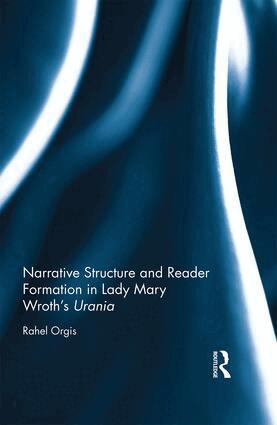
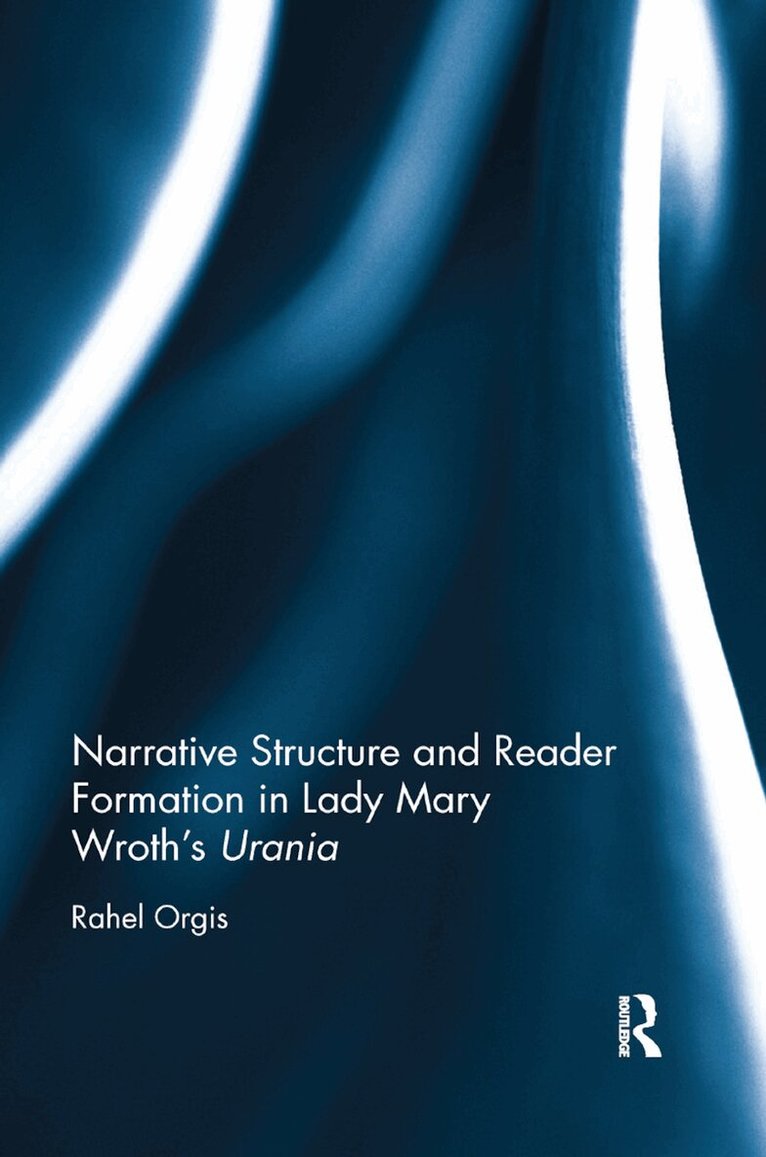
Narrative Structure and Reader Formation in Lady Mary Wroth’s Urania offers the first systematic formal and thematic analysis of Wroth’s Urania in its historical context and explores the structural means by which Wroth fashions her readership. The book thus has a dual focus, at once on narrative art and reader formation. It makes two original claims, the first being that the Urania is not the unorganized accumulation of stories critics have tended to present it as, but a work of sophisticated narrative structures i.e. a complex text in a positive sense. These structures are revealed by means of a circumspect narratological analysis of the formal and thematic patterns that organise the Urania. Such an analysis furthers our understanding of the reading strategies that Wroth encourages. The second claim is, then, that through the careful structuring of her text Wroth seeks to create her own ideal readership. More precisely, the formal and thematic structures of the Urania engage with readers’ expectations, inviting them to reflect on prominent thematic issues and respond to the text as what early modern prefaces term "good" readers. Combining narratological methods with a generic perspective and taking into account the work of book historians on early modern reading practices, this monograph provides a new approach to the Urania, supplementing the typically gender- or (auto)biographically-oriented interpretations of the romance. Moreover, it contributes to the study of early modern (prose) narrative and romance and exemplifies how historically contextualised narratological analysis may yield new insights and profit research on reading strategies.
928 kr
Läs direkt efter köp
Narrative Structure and Reader Formation in Lady Mary Wroth’s Urania offers the first systematic formal and thematic analysis of Wroth’s Urania in its historical context and explores the structural means by which Wroth fashions her readership. The book thus has a dual focus, at once on narrative art and reader formation. It makes two original claims, the first being that the Urania is not the unorganized accumulation of stories critics have tended to present it as, but a work of sophisticated narrative structures i.e. a complex text in a positive sense. These structures are revealed by means of a circumspect narratological analysis of the formal and thematic patterns that organise the Urania. Such an analysis furthers our understanding of the reading strategies that Wroth encourages. The second claim is, then, that through the careful structuring of her text Wroth seeks to create her own ideal readership. More precisely, the formal and thematic structures of the Urania engage with readers’ expectations, inviting them to reflect on prominent thematic issues and respond to the text as what early modern prefaces term "good" readers. Combining narratological methods with a generic perspective and taking into account the work of book historians on early modern reading practices, this monograph provides a new approach to the Urania, supplementing the typically gender- or (auto)biographically-oriented interpretations of the romance. Moreover, it contributes to the study of early modern (prose) narrative and romance and exemplifies how historically contextualised narratological analysis may yield new insights and profit research on reading strategies.
2 877 kr
Skickas inom 10-15 vardagar
957 kr
Skickas inom 10-15 vardagar
1 318 kr
Skickas inom 10-15 vardagar
1 223 kr
Läs direkt efter köp
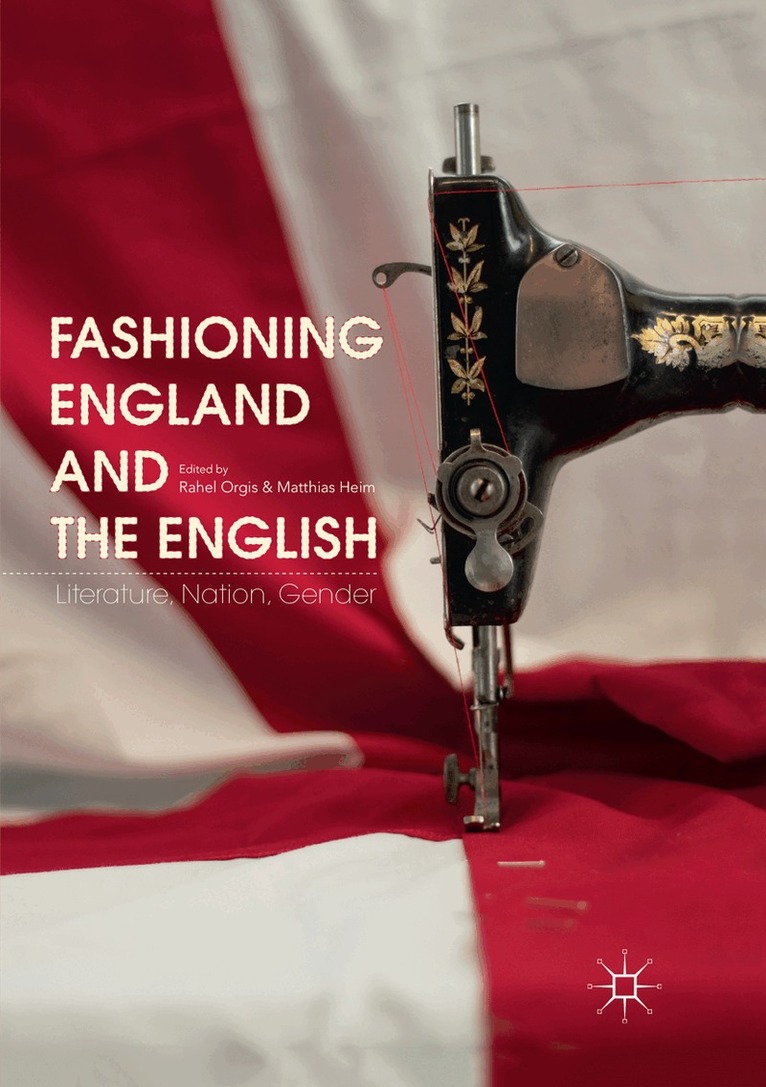
This book explores how literary texts envision England and respond to discourses and conceptions of Englishness and the English nation, especially in relation to gender and language. The essays discuss texts from the fifteenth to the twentieth century and bear witness to changing views of England and the English, highlighting the importance of religion, economy, landscape, the spectre of the “other” and language in this discourse. The volume pays attention to women writers’ reflection on the nation and the roles female figures play in male writers’ visions of nationhood. It brings into conversation less well-known voices like those of Osbern Bokenham, Thomas Deloney, Eleanor Davies and Jacquetta Hawkes with canonical authors—William Shakespeare, William Wordsworth, Jane Austen and Virginia Woolf—and opens a space for exploring the interplay of dominant and variant voices in the fashioning of England.