2 145 kr
Skickas inom 10-15 vardagar
2 145 kr
Skickas inom 10-15 vardagar
687 kr
Skickas inom 10-15 vardagar
695 kr
Skickas inom 10-15 vardagar
2 497 kr
Skickas inom 10-15 vardagar
904 kr
Skickas inom 10-15 vardagar
2 497 kr
Skickas inom 10-15 vardagar
2 526 kr
Skickas inom 10-15 vardagar
442 kr
Skickas inom 7-10 vardagar
984 kr
Skickas inom 7-10 vardagar
663 kr
Läs direkt efter köp
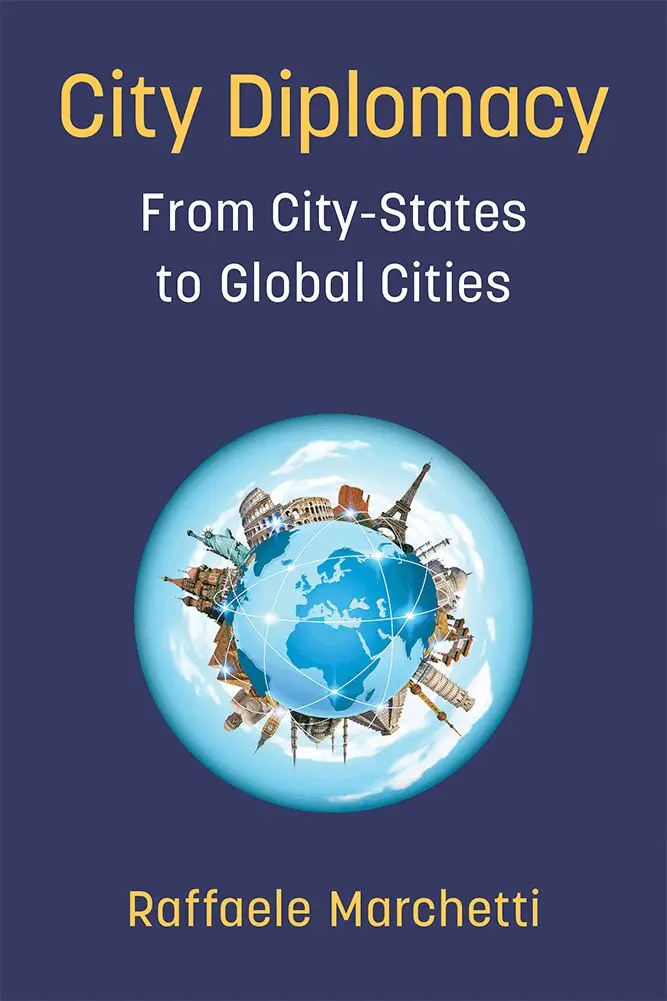
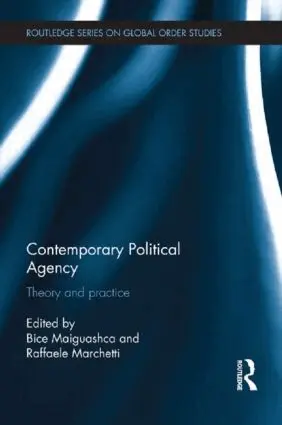
While the view that only states act as global actors is conventional, significant diplomatic and cross-cultural activity is taking place in cities today. Economic growth and fiscal experiments all occur in urban contexts. Political reforms, social innovation, and protests and revolutions generate in cities. Criminal activities, terrorist actions, counterinsurgency, missile attacks (indeed, atomic bombs), and wars are centered in big cities. They are sources of global pollution as well as of environmental transformations such as urban gardening. Knowledge production, big data collection, and tech innovation all spur from intense interaction in cities. They are the meeting points between different cultures, religions, and identities.
These increasingly international cities develop twinning networks and projects, share information, sign cooperation agreements, contribute to the drafting of national and international policies, provide development aid, promote assistance to refugees, and do territorial marketing through decentralized city-city or district-district cooperation. Cities do what “municipalities” used to do many centuries ago: they cooperate but also enter into intense competitive dynamics. To understand current sociopolitical dynamics on a planetary level, we need to have two mental maps in mind: the state-centered map and the nonstate centered map. We must take into account the existence of a complex diplomatic regime based on different overlapping levels—the urban and the state.
1 351 kr
Skickas inom 7-10 vardagar
2 515 kr
Skickas inom 10-15 vardagar
814 kr
Läs direkt efter köp
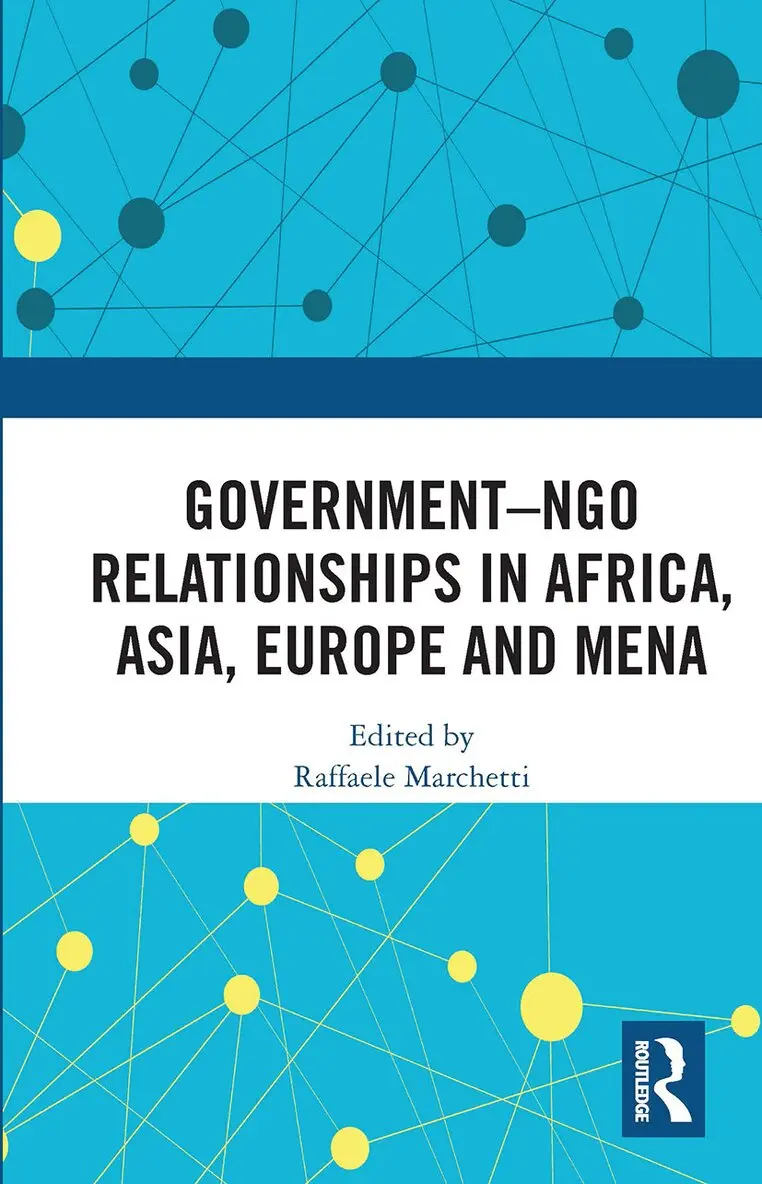
The relationships between Africa and Europe are of high strategic importance. This volume studies the ongoing dynamics between the two continents by adopting a pluralist understanding of international relations which encompasses non-state actors as well as states.
Going beyond pure intergovernmentalism, this focus of this book is on activists, business people, religious believers, local politicians as well as transnational networks and by hybrid coalitions. Such plurality of socio-economic and political interactions underpinning the relationship between Africa and Europe is underexamined and yet of great importance. The text identifies new patterns of cooperation and recurrent obstacles in the African-European multistakeholder dynamics, thus opening the way for a more accurate understanding of the future relationship between Africa and Europe.
This book brings African and European reflections together, on an equal standing, in order to achieve a true dialogue among civilizations. This book is aimed at all those who are interested in African-European relationships, including students and researchers, as well as activists, business people, civil servant and functionaries at local and national level.

796 kr
Läs direkt efter köp
The relationships between Africa and Europe are of high strategic importance. This volume studies the ongoing dynamics between the two continents by adopting a pluralist understanding of international relations which encompasses non-state actors as well as states.
Going beyond pure intergovernmentalism, this focus of this book is on activists, business people, religious believers, local politicians as well as transnational networks and by hybrid coalitions. Such plurality of socio-economic and political interactions underpinning the relationship between Africa and Europe is underexamined and yet of great importance. The text identifies new patterns of cooperation and recurrent obstacles in the African-European multistakeholder dynamics, thus opening the way for a more accurate understanding of the future relationship between Africa and Europe.
This book brings African and European reflections together, on an equal standing, in order to achieve a true dialogue among civilizations. This book is aimed at all those who are interested in African-European relationships, including students and researchers, as well as activists, business people, civil servant and functionaries at local and national level.
963 kr
Läs direkt efter köp
Civil society’s role in conflict and peace-building is increasingly being recognized: an integral element in conflict, it can act within the conflict dynamic to fuel discord further or to entrench the status quo. Alternatively, it can bring about peaceful resolution and reconciliation. The question at hand is not whether to engage civil society in contexts of conflict, but rather how governmental actors can partner with civil society to induce conflict resolution and conflict transformation. The collection of essays in this volume attempts to explore this nexus between civil society and peace-building, especially in the context of intra-state and identity-driven conflicts, across different regions by focusing on case studies from Asia, Africa, Latin America and Europe.
970 kr
Läs direkt efter köp
Civil society’s role in conflict and peace-building is increasingly being recognized: an integral element in conflict, it can act within the conflict dynamic to fuel discord further or to entrench the status quo. Alternatively, it can bring about peaceful resolution and reconciliation. The question at hand is not whether to engage civil society in contexts of conflict, but rather how governmental actors can partner with civil society to induce conflict resolution and conflict transformation. The collection of essays in this volume attempts to explore this nexus between civil society and peace-building, especially in the context of intra-state and identity-driven conflicts, across different regions by focusing on case studies from Asia, Africa, Latin America and Europe.
912 kr
Läs direkt efter köp
Sixty Years of Transnational Civil Society Mobilizations: The Other Side of Global Politics offers a new reading of the role played by civil society in global politics over the last few decades.
This book tells a story about the lesser-known side of globalization, the non-governmental and civil one, in order to contribute to a better understanding of a phenomenon precisely at the moment of its reconfiguration. The book’s theoretical framework innovatively differentiates transnational mobilizations according to their vision of global politics: civilizations, cosmopolitanism, localism, and neoliberalism. Together with these visions, the book studies the organizational forms, strategies, and the contextual conditions that have allowed for the flourishing of global activism in the last fifty years. From the 1970s, global activism has been an integral part of the western-led process of globalization. Today we are on the verge of deep international transformations: globalization is declining, global governance is undergoing a clear fatigue, while power politics is coming back, at times replacing diplomacy with violence. In such a context, civil society finds it harder to continue to play the same significant role in international affairs.
At the end of every political cycle, it is important to develop a deeper awareness of its processes, not just for the sake of knowledge but also because such awareness is essential for facing future challenges. The final part of the book is an exploration of the future opportunities and constraints for global activism in the next decade. Without history we will not be able to write new stories.
Sixty Years of Transnational Civil Society Mobilizations will interest students and scholars of global politics, global activism, international affairs, global civil society, and civilizationism.
918 kr
Läs direkt efter köp
Sixty Years of Transnational Civil Society Mobilizations: The Other Side of Global Politics offers a new reading of the role played by civil society in global politics over the last few decades.
This book tells a story about the lesser-known side of globalization, the non-governmental and civil one, in order to contribute to a better understanding of a phenomenon precisely at the moment of its reconfiguration. The book’s theoretical framework innovatively differentiates transnational mobilizations according to their vision of global politics: civilizations, cosmopolitanism, localism, and neoliberalism. Together with these visions, the book studies the organizational forms, strategies, and the contextual conditions that have allowed for the flourishing of global activism in the last fifty years. From the 1970s, global activism has been an integral part of the western-led process of globalization. Today we are on the verge of deep international transformations: globalization is declining, global governance is undergoing a clear fatigue, while power politics is coming back, at times replacing diplomacy with violence. In such a context, civil society finds it harder to continue to play the same significant role in international affairs.
At the end of every political cycle, it is important to develop a deeper awareness of its processes, not just for the sake of knowledge but also because such awareness is essential for facing future challenges. The final part of the book is an exploration of the future opportunities and constraints for global activism in the next decade. Without history we will not be able to write new stories.
Sixty Years of Transnational Civil Society Mobilizations will interest students and scholars of global politics, global activism, international affairs, global civil society, and civilizationism.
998 kr
Skickas inom 10-15 vardagar
2 479 kr
Kommande
553 kr
Kommande
1 066 kr
Läs direkt efter köp
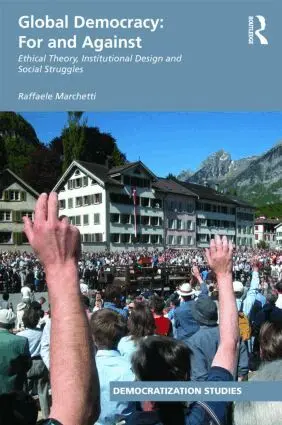
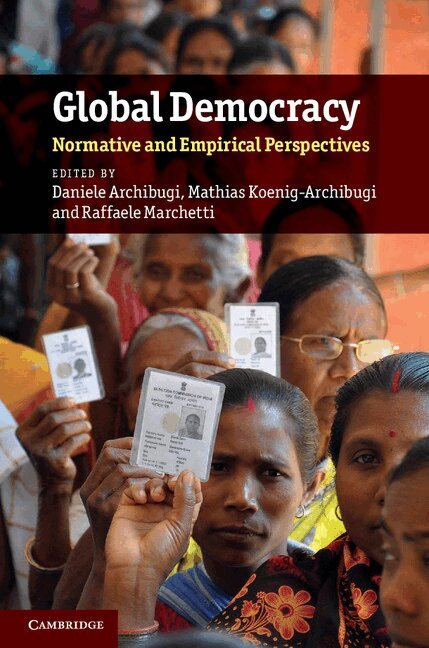
This book defends the case for the expansion of the democratic model to the global political sphere. Concentrating on the democratic deficit of international affairs, it examines the nexus between the phenomenon of international exclusion and the political response of global democracy.
This distinctive position is developed through a critical survey of the principal theories for and against global democracy. The main rival narratives (realism, nationalism, civilizationism, and liberal internationalism) are rebutted on grounds of failing democratic principles of inclusion. Based on a notion of interaction-dependent justice, these theories arguably provide a crucial ideological support to the exclusionary attitude of the current international system. Going beyond these exclusionary paradigms, the book defends a model of cosmo-federalism that is all-inclusive, multilayered and rooted.
The text adopts an interdisciplinary perspective that combines three areas of scholarship: international political theory, international relations and political sociology. Within them, a number of contemporary controversies are analyzed, including the ethical dispute on global justice, the institutional debate on supranationalism, and the political discussion on social emancipatory struggles. From such an interdisciplinary perspective derives an engaged text that will be of interest to students and researchers concerned with the key political aspects of the discussion on globalization and democratic global order.
1 051 kr
Läs direkt efter köp
This book defends the case for the expansion of the democratic model to the global political sphere. Concentrating on the democratic deficit of international affairs, it examines the nexus between the phenomenon of international exclusion and the political response of global democracy.
This distinctive position is developed through a critical survey of the principal theories for and against global democracy. The main rival narratives (realism, nationalism, civilizationism, and liberal internationalism) are rebutted on grounds of failing democratic principles of inclusion. Based on a notion of interaction-dependent justice, these theories arguably provide a crucial ideological support to the exclusionary attitude of the current international system. Going beyond these exclusionary paradigms, the book defends a model of cosmo-federalism that is all-inclusive, multilayered and rooted.
The text adopts an interdisciplinary perspective that combines three areas of scholarship: international political theory, international relations and political sociology. Within them, a number of contemporary controversies are analyzed, including the ethical dispute on global justice, the institutional debate on supranationalism, and the political discussion on social emancipatory struggles. From such an interdisciplinary perspective derives an engaged text that will be of interest to students and researchers concerned with the key political aspects of the discussion on globalization and democratic global order.
997 kr
Läs direkt efter köp
983 kr
Läs direkt efter köp
739 kr
Skickas inom 10-15 vardagar
1 003 kr
Skickas inom 10-15 vardagar
373 kr
Skickas inom 10-15 vardagar
815 kr
Skickas inom 10-15 vardagar
844 kr
Skickas inom 10-15 vardagar