Transformations in Cuban art, literature and culture in the post-Fidel eraCuba has been in a state of massive transformation over the past decade, with its historic resumption of diplomatic relations with the United States only the latest development. While the political leadership has changed direction, other forces have taken hold. The environment is under threat, and the culture feels the strain of new forms of consumption.Planet/Cuba examines how art and literature have responded to a new moment, one both more globalized and less exceptional; more concerned with local quotidian worries than international alliances; more threatened by the depredations of planetary capitalism and climate change than by the vagaries of the nation's government. Rachel Price examines a fascinating array of artists and writers who are tracing a new socio-cultural map of the island.
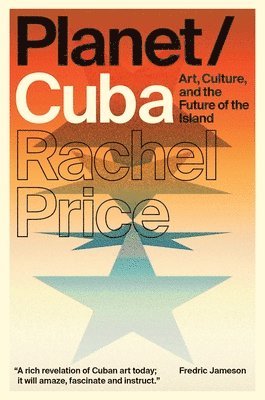
Transformations in Cuban art, literature and culture in the post-Fidel eraCuba has been in a state of massive transformation over the past decade, with its historic resumption of diplomatic relations with the United States only the latest development. While the political leadership has changed direction, other forces have taken hold. The environment is under threat, and the culture feels the strain of new forms of consumption.Planet/Cuba examines how art and literature have responded to a new moment, one both more globalized and less exceptional; more concerned with local quotidian worries than international alliances; more threatened by the depredations of planetary capitalism and climate change than by the vagaries of the nation''s government. Rachel Price examines a fascinating array of artists and writers who are tracing a new socio-cultural map of the island.
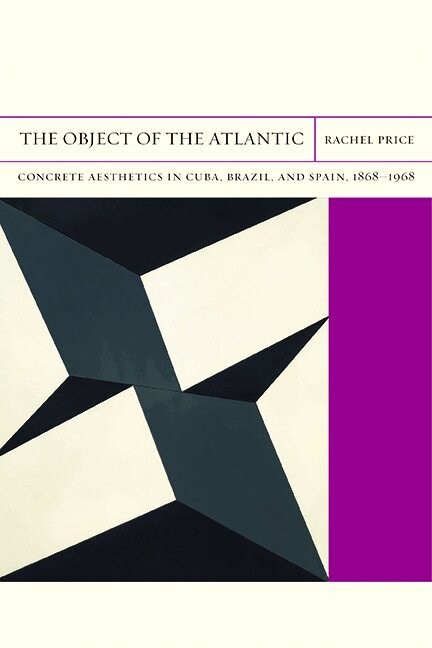
The Object of the Atlantic is a wide-ranging study of the transition from a concern with sovereignty to a concern with things in Iberian Atlantic literature and art produced between 1868 and 1968. Rachel Price uncovers the surprising ways that concrete aesthetics from Cuba, Brazil, and Spain drew not only on global forms of constructivism but also on a history of empire, slavery, and media technologies from the Atlantic world. Analyzing Jose Marti's notebooks, Joaquim de Sousandrade's poetry, Ramiro de Maeztu's essays on things and on slavery, 1920s Cuban literature on economic restructuring, Ferreira Gullar's theory of the ""non-object,"" and neoconcrete art, Price shows that the turn to objects - and from these to new media networks– - as rooted in the very philosophies of history that helped form the Atlantic world itself.