474 kr
Läs direkt efter köp
474 kr
Läs direkt efter köp
477 kr
Läs direkt efter köp
440 kr
Läs direkt efter köp
437 kr
Läs direkt efter köp
340 kr
Läs direkt efter köp
340 kr
Läs direkt efter köp
526 kr
Skickas
1 894 kr
Skickas inom 7-10 vardagar
797 kr
Skickas inom 7-10 vardagar
1 182 kr
Skickas inom 10-15 vardagar
804 kr
Skickas inom 10-15 vardagar
721 kr
Skickas inom 3-6 vardagar
535 kr
Skickas inom 5-8 vardagar
512 kr
Skickas inom 5-8 vardagar
349 kr
Skickas inom 5-8 vardagar
340 kr
Läs direkt efter köp
338 kr
Läs direkt efter köp
943 kr
Skickas inom 7-10 vardagar
781 kr
Skickas inom 7-10 vardagar
948 kr
Skickas inom 5-8 vardagar
329 kr
Skickas inom 10-15 vardagar
2 145 kr
Skickas inom 10-15 vardagar
687 kr
Skickas inom 10-15 vardagar
381 kr
Läs direkt efter köp
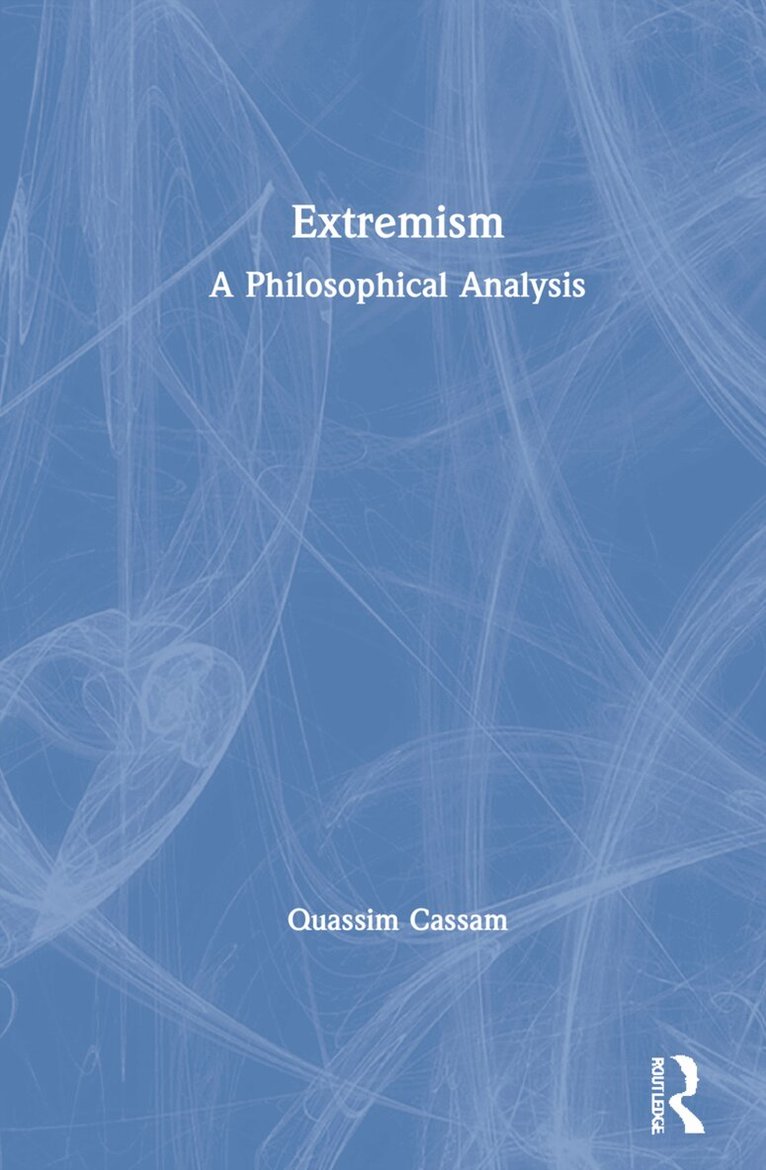
Extremism is one of the most charged and controversial issues of the twenty-first century. Despite myriad programs of deradicalization and prevention around the world, it remains an intractable and poorly understood problem. Yet it is also sometimes regarded as a positive force – according to Martin Luther King Jr., ''the question is not whether we will be extremists, but what kind of extremists we will be''.
In this much-needed and lucid book, Quassim Cassam identifies three types of extremism – ideological; methods; and psychological extremism – and discusses the following fundamental topics and issues: What is extremism? What are the methods adopted by extremists? Is there an extremist ‘mindset’ and if so, what is it? What role do ideas of purity, victimhood and humiliation play in understanding extremism? How does extremism differ from fanaticism and fundamentalism? How does one become an extremist and how should we understand deradicalization?
Throughout the book, Quassim Cassam uses many compelling examples, ranging from the Khmer Rouge, the IRA, Al-Qaeda and Timothy McVeigh to Philip Roth’s novel American Pastoral and counter-extremism programmes, including the UK’s Prevent strategy.
Clear-headed and engaging, Extremism: A Philosophical Analysis is essential reading for anyone interested in this important topic, not only in Philosophy but related disciplines such as Politics and International Relations, Conflict and Terrorism Studies, Law, Education and Religion. It will also be of great interest to policy-makers and those engaged in understanding extremism at any level.
738 kr
Läs direkt efter köp
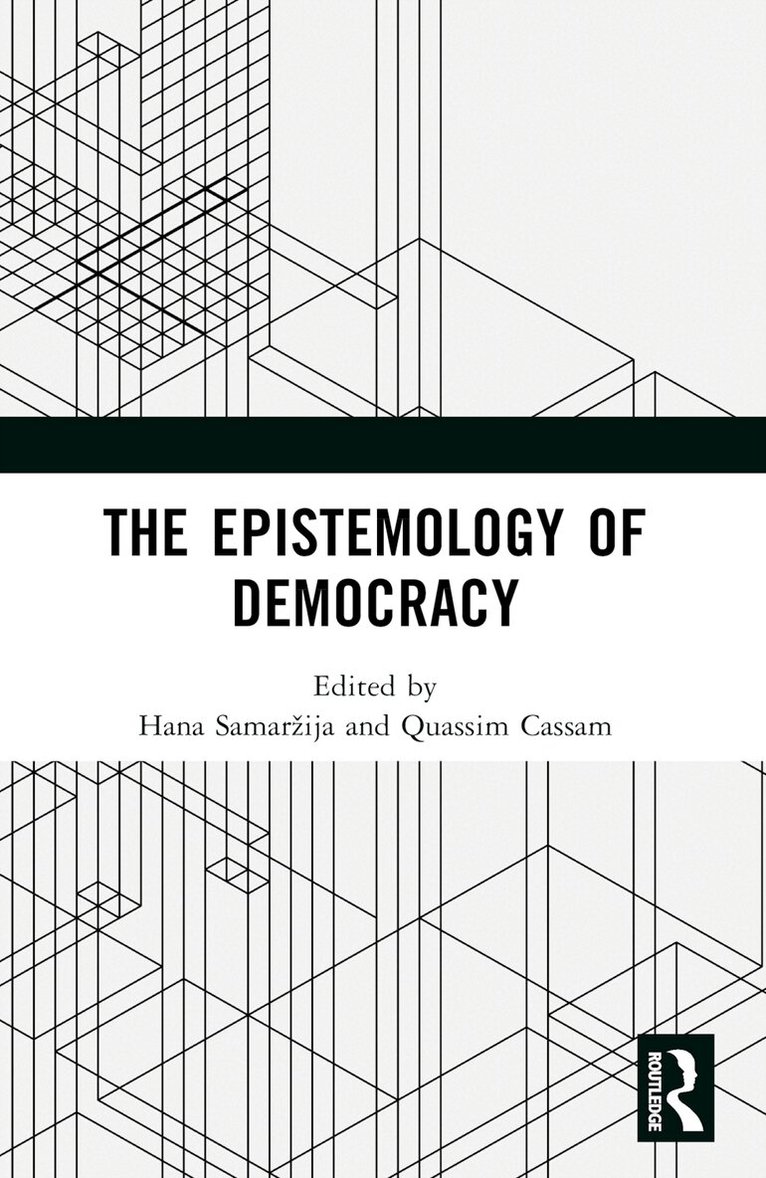
This is the first edited scholarly collection devoted solely to the epistemology of democracy. Its fifteen chapters, published here for the first time and written by an international team of leading researchers, will interest scholars and advanced students working in democratic theory, the harrowing crisis of democracy, political philosophy, social epistemology, and political epistemology.
The volume is structured into three parts, each offering five chapters. The first part, Democratic Pessimism, covers the crisis of democracy, the rise of authoritarianism, public epistemic vices, misinformation and disinformation, civic ignorance, and the lacking quantitative case for democratic decision-making. The second part, Democratic Optimism, discusses the role of hope and positive emotions in rebuilding democracy, proposes solutions to myside bias, and criticizes dominant epistocratic approaches to forming political administrations. The third and final part, Democratic Realism, assesses whether we genuinely require emotional empathy to understand the perspectives of our political adversaries, discusses the democratic tension between mutual respect for others and a quest for social justice, and evaluates manifold top-down and bottom-up approaches to policy making.
757 kr
Läs direkt efter köp
This is the first edited scholarly collection devoted solely to the epistemology of democracy. Its fifteen chapters, published here for the first time and written by an international team of leading researchers, will interest scholars and advanced students working in democratic theory, the harrowing crisis of democracy, political philosophy, social epistemology, and political epistemology.
The volume is structured into three parts, each offering five chapters. The first part, Democratic Pessimism, covers the crisis of democracy, the rise of authoritarianism, public epistemic vices, misinformation and disinformation, civic ignorance, and the lacking quantitative case for democratic decision-making. The second part, Democratic Optimism, discusses the role of hope and positive emotions in rebuilding democracy, proposes solutions to myside bias, and criticizes dominant epistocratic approaches to forming political administrations. The third and final part, Democratic Realism, assesses whether we genuinely require emotional empathy to understand the perspectives of our political adversaries, discusses the democratic tension between mutual respect for others and a quest for social justice, and evaluates manifold top-down and bottom-up approaches to policy making.
2 136 kr
Skickas inom 10-15 vardagar
642 kr
Skickas inom 10-15 vardagar
2 526 kr
Skickas inom 10-15 vardagar