716 kr
Skickas inom 10-15 vardagar
716 kr
Skickas inom 10-15 vardagar
820 kr
Läs direkt efter köp
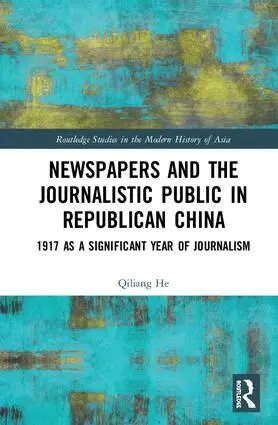
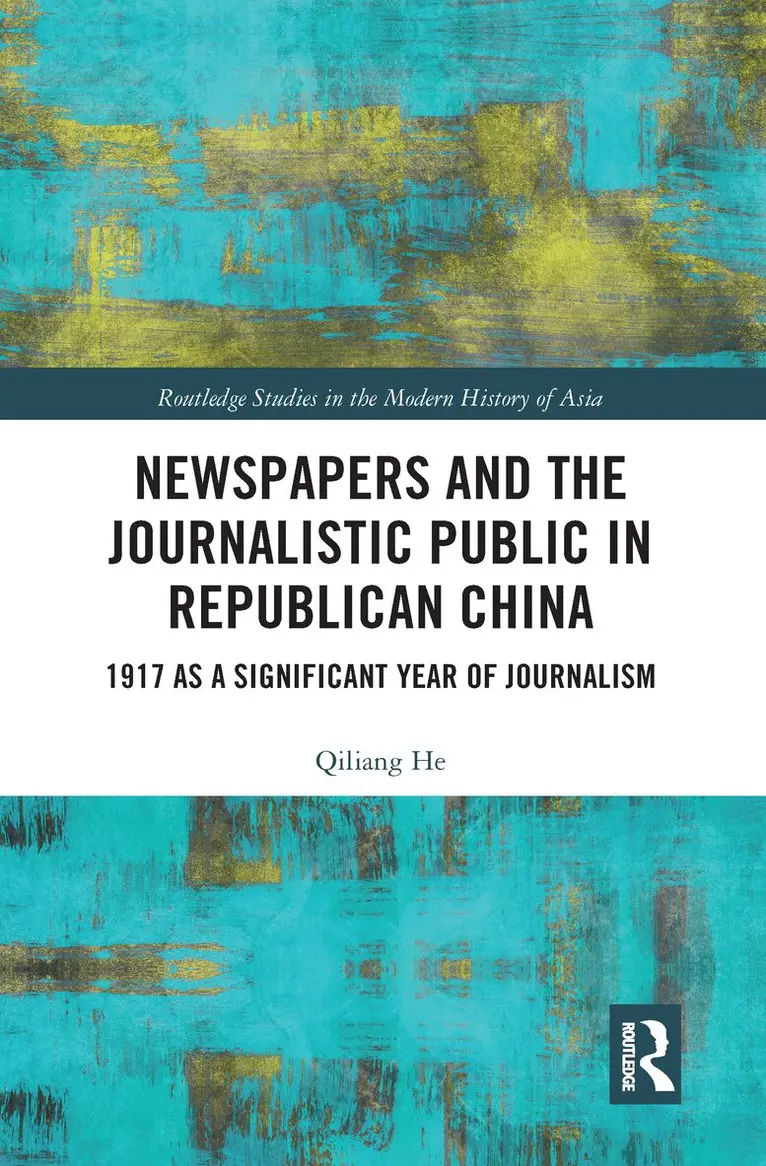
Offering an entirely new approach to understanding China’s journalism history, this book covers the Chinese periodical press in the first half of the twentieth century.
By focusing on five cases, either occurring in or in relation to the year 1917, this book emphasizes the protean nature of the newspaper and seeks to challenge a press historiography which suggests modern Chinese newspapers were produced and consumed with clear agendas of popularizing enlightenment, modernist, and revolutionary concepts. Instead, this book contends that such a historiography, which is premised on the classification of newspapers along the lines of their functions, overlooks the opaqueness of the Chinese press in the early twentieth century.
Analyzing modern Chinese history through the lens of the newspaper, this book presents an interdisciplinary and international approach to studying mass communications. As such, this book will be useful to students and scholars of Chinese history, journalism, and Asian Studies more generally.
838 kr
Läs direkt efter köp
Offering an entirely new approach to understanding China’s journalism history, this book covers the Chinese periodical press in the first half of the twentieth century.
By focusing on five cases, either occurring in or in relation to the year 1917, this book emphasizes the protean nature of the newspaper and seeks to challenge a press historiography which suggests modern Chinese newspapers were produced and consumed with clear agendas of popularizing enlightenment, modernist, and revolutionary concepts. Instead, this book contends that such a historiography, which is premised on the classification of newspapers along the lines of their functions, overlooks the opaqueness of the Chinese press in the early twentieth century.
Analyzing modern Chinese history through the lens of the newspaper, this book presents an interdisciplinary and international approach to studying mass communications. As such, this book will be useful to students and scholars of Chinese history, journalism, and Asian Studies more generally.
350 kr
Kommande
1 208 kr
Kommande
311 kr
Skickas inom 7-10 vardagar
2 601 kr
Skickas inom 10-15 vardagar
959 kr
Skickas inom 10-15 vardagar
1 238 kr
Skickas inom 10-15 vardagar
1 223 kr
Läs direkt efter köp
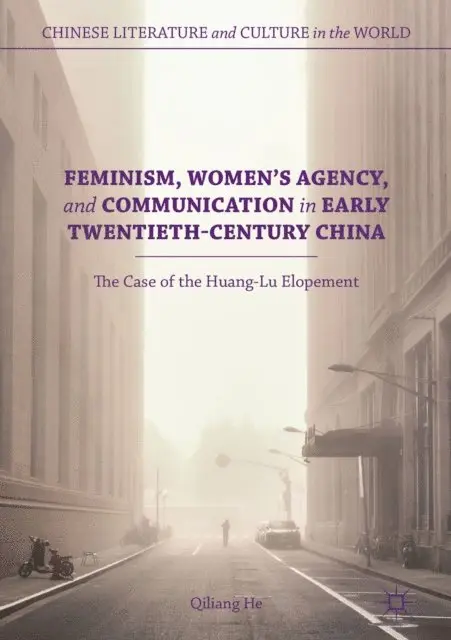
Feminism, Women’s Agency, and Communication in Early Twentieth-Century China focuses on a sensational elopement in the Yangzi Delta in the late 1920s to explore how middle- and lower-class members of society gained access to and appropriated otherwise alien and abstract enlightenment theories and idioms about love, marriage, and family. Via a network of communications that connected people of differing socioeconomic and educational backgrounds, non-elite women were empowered to display their new womanhood and thereby exercise their self-activating agency to mount resistance to China’s patriarchal system. Qiliang He’s text also investigates the proliferation of anti-feminist conservatisms in legal practice, scholarly discourses, media, and popular culture in the early Nanjing Decade (1927-1937). Utilizing a framework of interdisciplinary scholarship, this book traverses various fields such as legal history, women’s history, popular culture/media studies, and literary studies to explore urban discourse and communication in 1920s China.
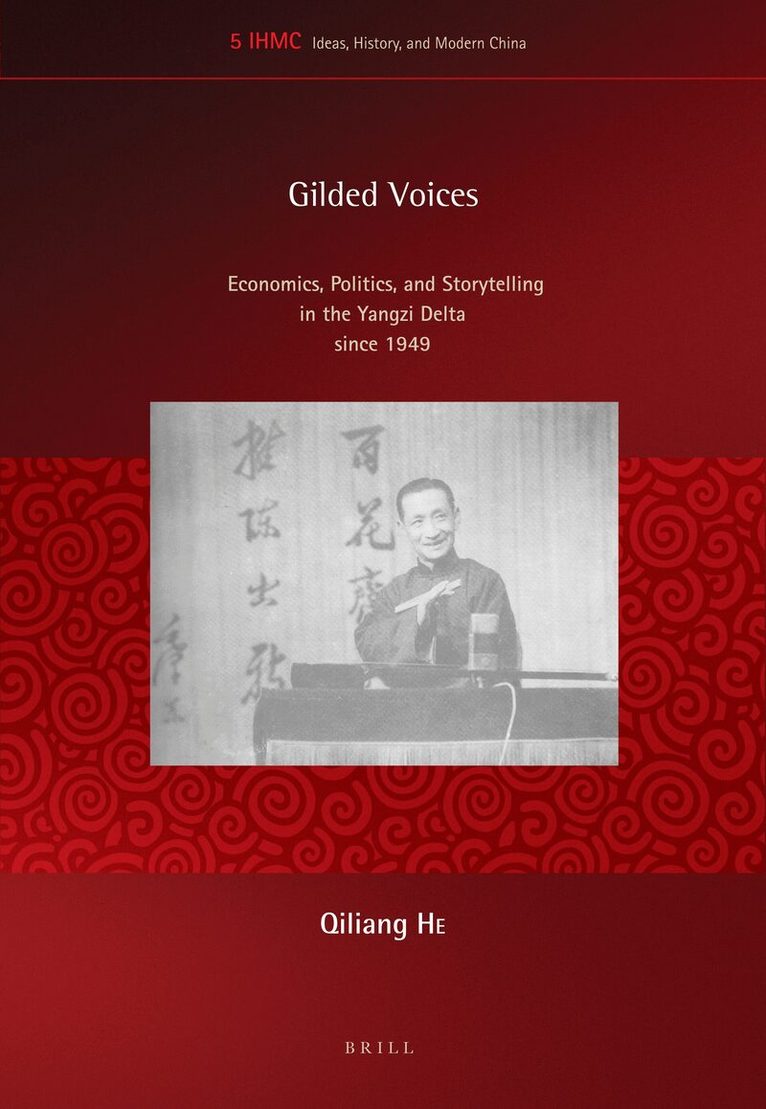
Economics, Politics, and Storytelling in the Yangzi Delta since 1949
2 642 kr
Skickas inom 7-10 vardagar
1 032 kr
Skickas inom 7-10 vardagar
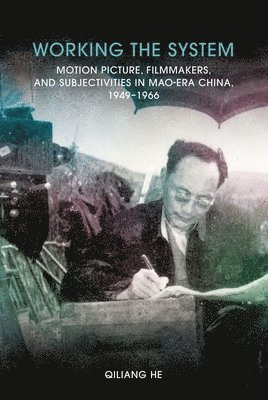
In Workingthe System: Motion Picture, Filmmakers, and Subjectivities in Mao-Era China,1949-1966, Qiliang He inquires into the making of the new citizenry inMao-era China (1949–1976) by studying five preeminent Shanghai-basedfilmmakers. These case studies shed light on how individuals' subjectivitiestook shape in the cinematic arena under a new sociopolitical system after 1949.He suggests that a filmmaker’s subjectivity was not fixed or stable butconstantly in flux, requiring a host of "subjectivizing practices" to (re)shapeand consolidate it. These filmmakers endeavored to reap maximal benefits fromMao’s sociopolitical system and minimize the disadvantages that would make themvictims under the system. In short, Qiliang He argues that the filmmakers notonly worked under the socialist system imposed upon them but also worked thesystem in their best interests.
815 kr
Tillfälligt slut