2 497 kr
Skickas inom 10-15 vardagar
2 497 kr
Skickas inom 10-15 vardagar
818 kr
Skickas inom 10-15 vardagar
2 497 kr
Skickas inom 10-15 vardagar
325 kr
Skickas inom 7-10 vardagar
945 kr
Skickas inom 7-10 vardagar
403 kr
Skickas inom 7-10 vardagar
746 kr
Läs direkt efter köp
762 kr
Läs direkt efter köp
757 kr
Läs direkt efter köp
757 kr
Läs direkt efter köp
749 kr
Läs direkt efter köp
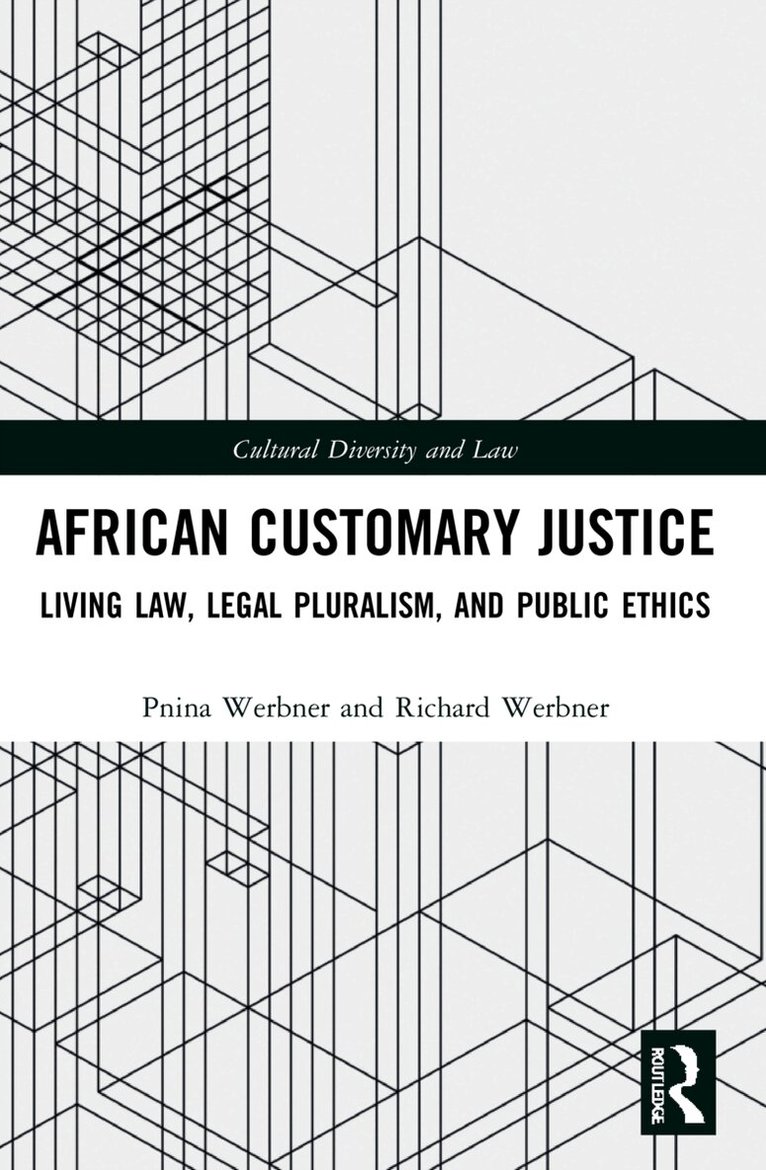
This book presents an important ethnographic and theoretical advance in legal anthropological scholarship by interrogating customary law, customary courts and legal pluralism in sub-Saharan Africa. It highlights the vitality and continued relevance of customary justice at a time when customary courts have waned or even disappeared in many postcolonial African nations.
Taking Botswana as a casestudy from in-depth fieldwork over a fifty-year period, the book shows, the ‘customary’ is robustly enduring, central to settling interpersonal disputes and constitutive of the local as well as the national public ethics. Customary law continues to be constitutionally protected, authorised by the country’s past as an authentic, viable legacy, from the British colonial period of indirect rule to the postcolonial state’s present development as a highly bureaucratised democracy. Along with a theoretical overview of the underlying issues for the anthropology and sociology of law, the book documents customary law as living law in the context of legal pluralism. It takes a legal realist approach and highlights the need to pay close attention to the lived experience of justice and its role in the production of legal subjectivities.
The book will be valuable to Africanists but also, more broadly, to social scientists, social historians and socio-legal scholars with interests in law and social change, public ethics and personal morality, and the intersection of politics and judicial decision making.
2 311 kr
Skickas inom 10-15 vardagar
636 kr
Skickas inom 10-15 vardagar
866 kr
Läs direkt efter köp
866 kr
Läs direkt efter köp
827 kr
Skickas inom 10-15 vardagar
970 kr
Läs direkt efter köp
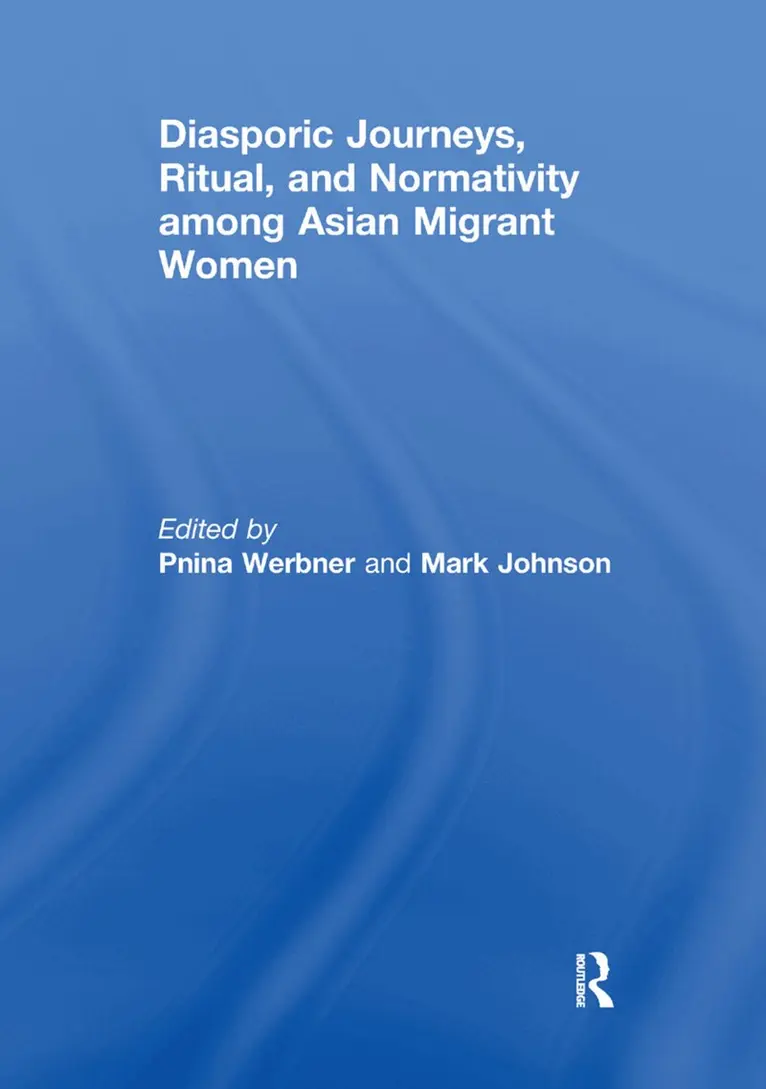
The power of embodied ritual performance to constitute agency and transform subjectivity are increasingly the focus of major debates in the anthropology of Christianity and Islam. They are particularly relevant to understanding the way transnational women migrants from South and South East Asia, Christians, Muslims and Buddhists, who migrate to Asia, Europe and the Middle East to work as carers and maids, re-imagine and recreate themselves in moral and ethical terms in the diaspora.
This timely collection shows how women international migrants, stereotypically represented as a ‘nation of servants’, reclaim sacralised spaces of sociality in their migration destinations, and actively transform themselves from mere workers into pilgrims and tourists on cosmopolitan journeys. Such women struggle for dignity and respect by re-defining themselves in terms of an ethics of care and sacrifice. As co-worshippers they recreate community through fiestas, feasts, protests, and shared conviviality, while subverting established normativities of gender, marriage and conjugality; they renegotiate their moral selfhood through religious conversion and activism. For migrants the place of the church or mosque becomes a gateway to new intellectual and experiential horizons as well as a locus for religious worship and a haven of humanitarian assistance in a strange land.
This book was published as a special issue of the Asia-Pacific Journal of Anthropology.
234 kr
Skickas inom 10-15 vardagar
191 kr
Skickas inom 10-15 vardagar
246 kr
Skickas inom 7-10 vardagar
348 kr
Skickas inom 10-15 vardagar
372 kr
Läs direkt efter köp
372 kr
Läs direkt efter köp
54 kr
Läs direkt efter köp
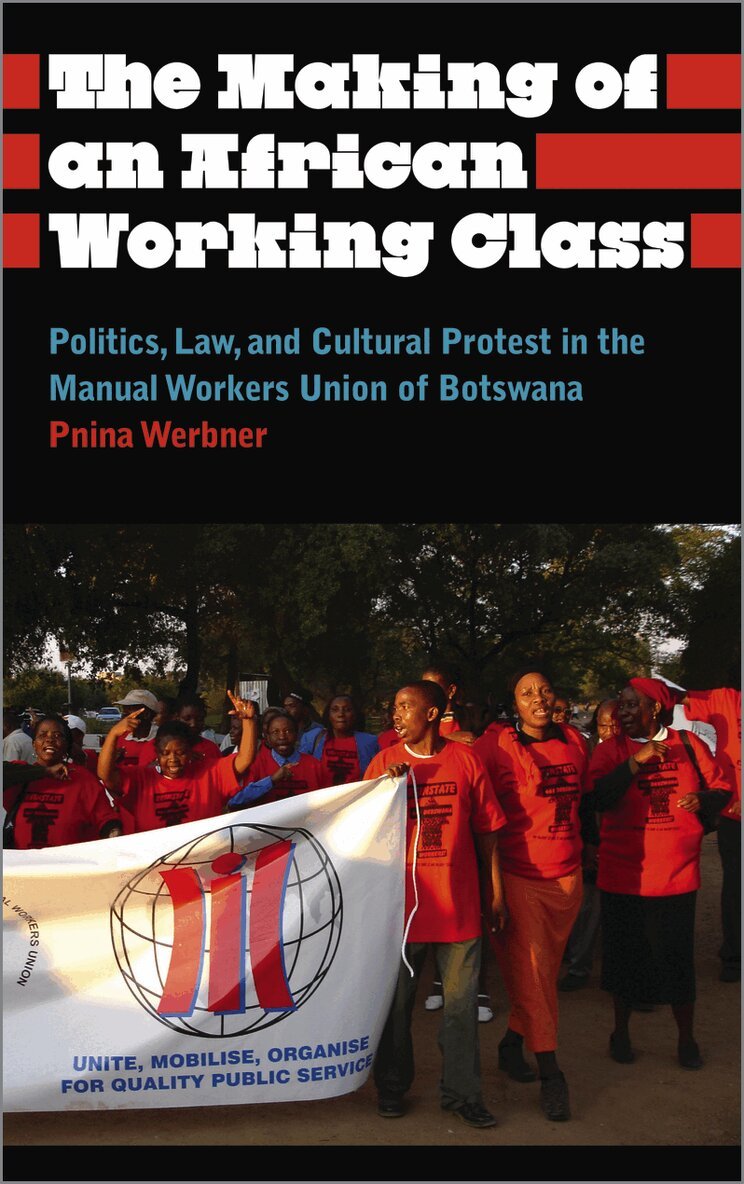
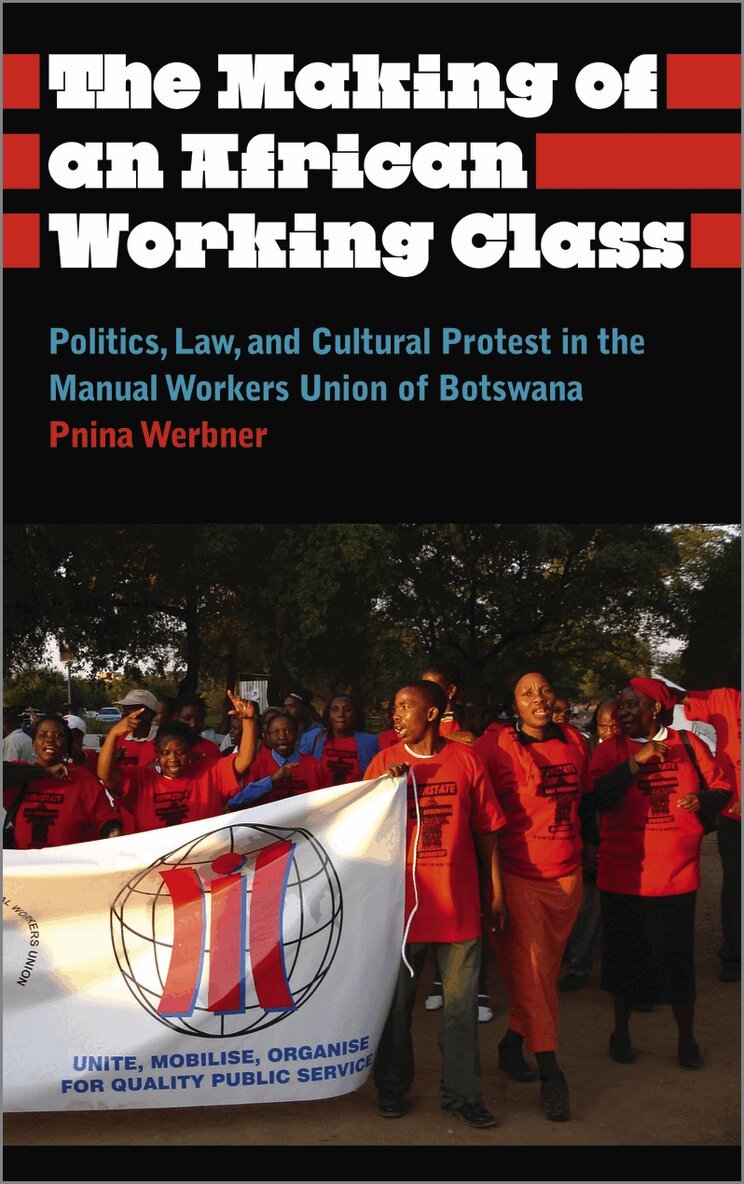
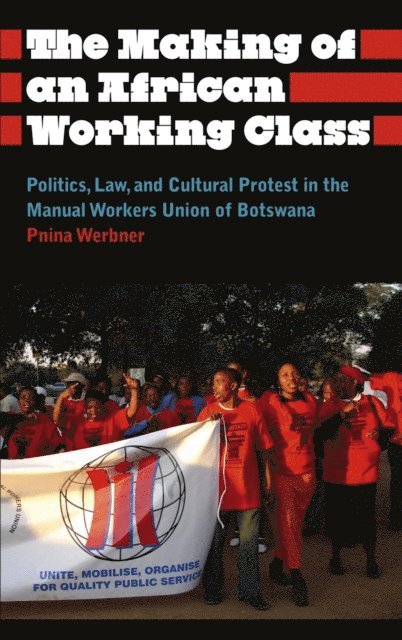
It is now 50 years since E.P. Thompson published his classic, The Making of the English Working Class. The Making of an African Working Class follows Thompson in exploring the formation of working class identity among low-paid African workers. In arguing for a radical public anthropology of worker identity, the book seeks to analyse the cultural, legal, ideological and experiential dimensions of labour activism often neglected in other labour studies. Pnina Werbner shows that by fusing cosmopolitan and local popular cultural forms of protest, unionists have created a distinctive, vernacular way of being a worker in Botswana: one that does not deny workers'' roots at home or in the countryside, while being cognisant of a wider world of cosmopolitan labour rights. The assertion of working class dignity, honour and respect, Pnina argues, is a powerful motivating force for manual workers. Against legal-sceptical approaches, The Making of an African Working Class argues that in challenging the government - their employer - in court, manual workers'' protests and mobilisation are deeply embedded in ethics, social justice and the law.
2 515 kr
Skickas inom 10-15 vardagar
645 kr
Skickas inom 10-15 vardagar
1 274 kr
Skickas inom 10-15 vardagar
514 kr
Skickas inom 10-15 vardagar