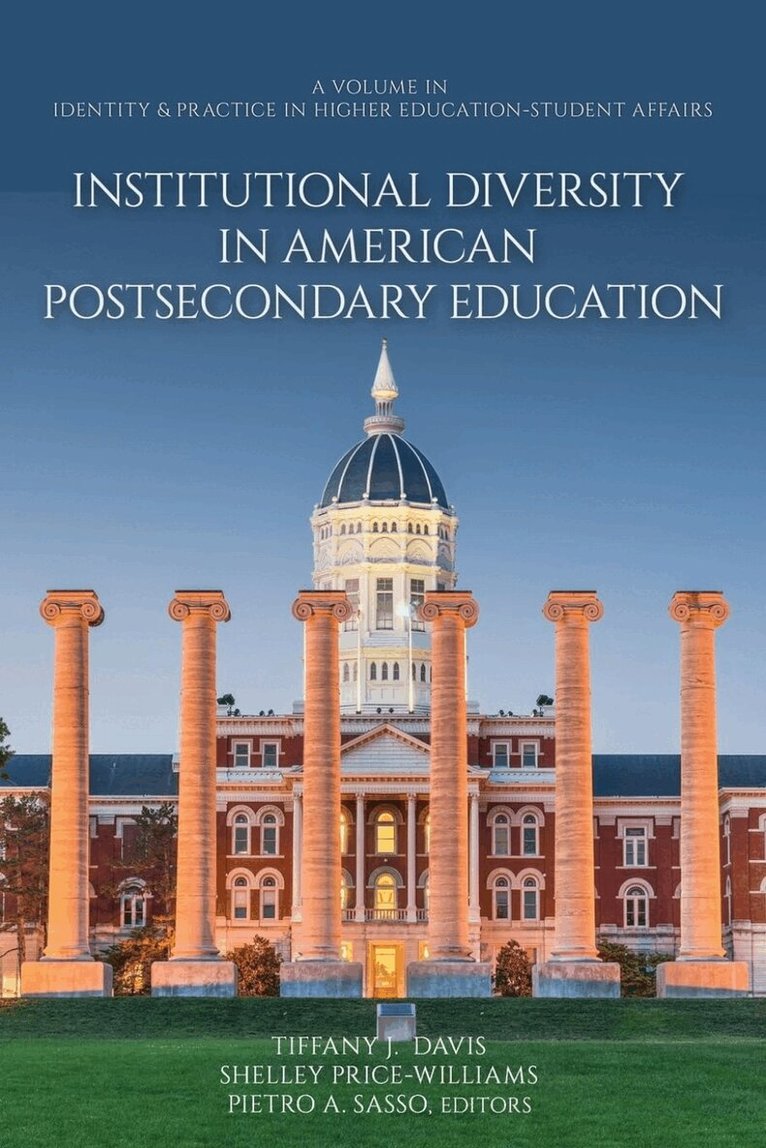
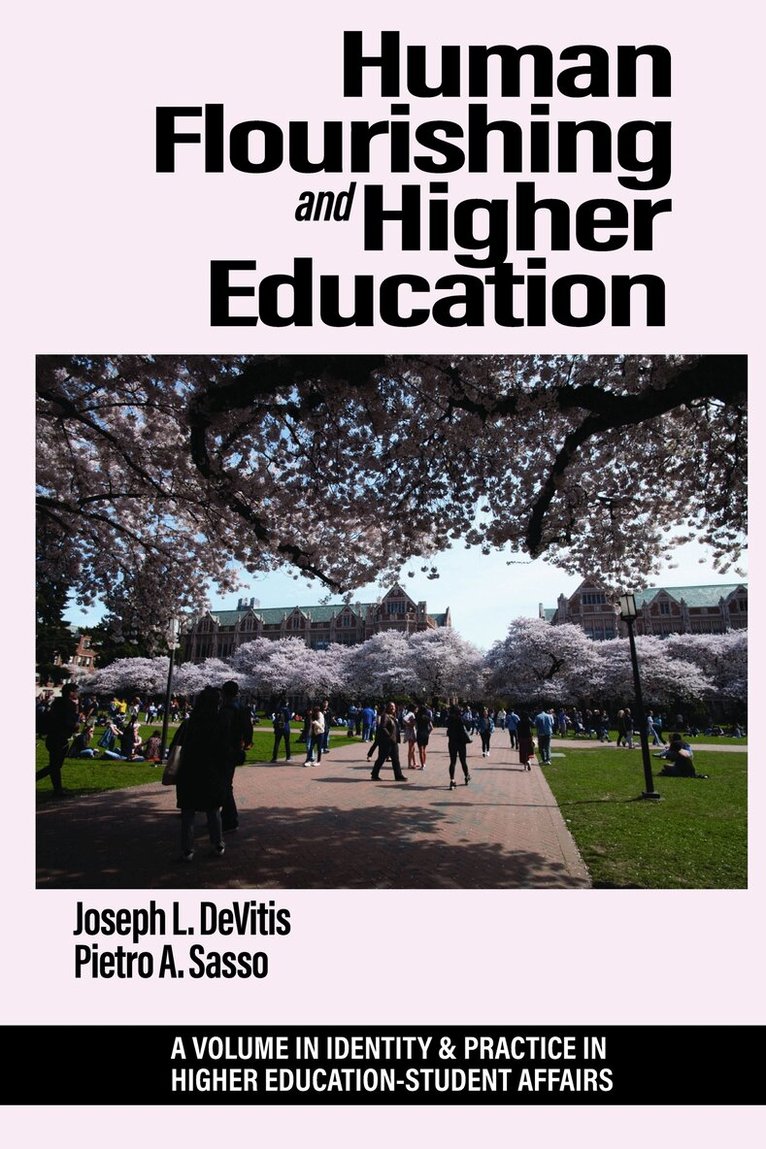
The glossy and polished college videos, view books, and websites catered to the marketplace of students. Some recruitment brochures often discuss famous alumni, athletics championships, and a vibrant student life. Particularly at research universities, marketing materials may even focus on entrepreneurs and medical discoveries. These types of colleges along with others compromise the marketplace of higher education in which different types of colleges exist across a spectrum of missions, institutional sagas, and histories. Within this marketplace is a bewildering and disorienting catalog of different institutional types and classifications. This marketplace also exists within a conglomerate of rankings and ratings that are ordered by US News & World Report and Petersons. Such rankings are often connected to a larger quest for prestige and primarily facilitated by these private-sector publications, but are juxtaposed to the higher education industry-created Carnegie Classification system.
The Carnegie Classification system was created as an approach to differentiate the more than 4,000 institutions by size, mission, and scope for research and policy analysis. However, this system is also integrated into broader hierarchies of accreditation and funding. However, the continued reclassification of the system in 2005, 2010, and the addition of new categories in 2018 such as doctoral/professional has advanced to “call attention to- and emphasize the importance of-the considerable institutional diversity of U.S. higher education (2005, p. 52). However, these typologies do not fully describe or conceptualize the organizational, administrative, culture, or student experiences of each of these typologies. The rankings guides and the Carnegie Classification systems often overlook more nuanced institutional types such as faith-based or “works colleges.” They also overlook the role and impact of Minority Serving Institutions (MSI). This lack of recognition often facilitates continued invisibility for different institutional types and the diverse multiple student populations they may educate and support. Therefore, this edited text seeks to expand and further the Carnegie Classification system typology, and beyond the private sector rankings.
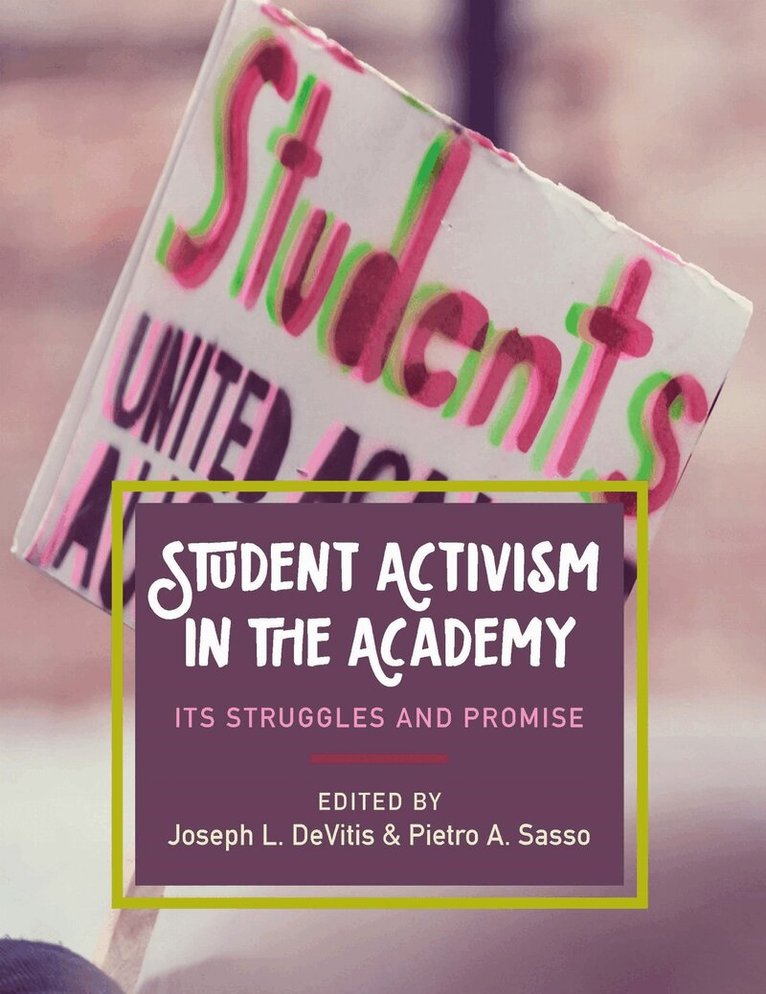
This text is a response to a call for existential exploration as an attempt to critically revivify our understanding of the various institutional types and is inspired by the words of David Thorton Moore in which it might be heartening to see a cadre of faculty and critical scholars facilitate, “a form of discourse in which teachers and students conduct an unfettered investigation of social institutions, power relations, and value commitment.” In this text, the authors describe and problematize the various institutional types as defined by accreditation, Carnegie classification, and private sector rankings.