Inbunden, Engelska, 2025
2 005 kr
Skickas inom 7-10 vardagar
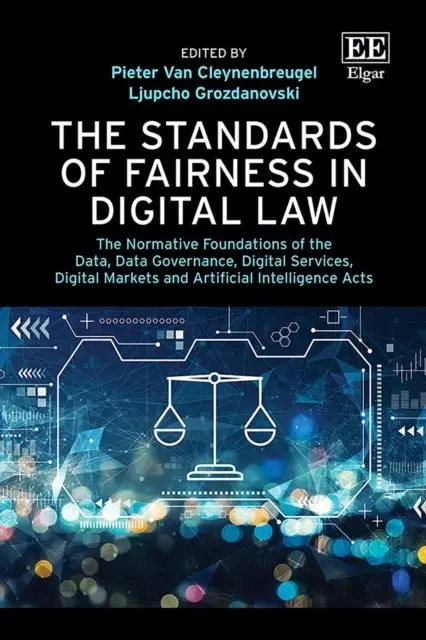
This book traces the evolution of the standard of fairness through to its incorporation in the development of recent EU digital legislation, primarily comprised of the Data Governance Act (DGA), Digital Markets Act (DMA), Digital Services Act (DSA), Data Act (DA), Artificial Intelligence Act (AIA) and the Product Liability Directive (PLD).Providing a fresh approach to fairness as a legal concept, the book identifies key gaps and inconsistencies across the EU’s digital legislative instruments. Fairness is framed by the book’s chapters as an analytical lens through which they evaluate the new EU digital legislation, while also exploring the extent to which it shaped the design of various guarantees that legislation offers, such as rights, remedies and procedures. Ultimately, the book outlines how the DGA, DMA, DSA, DA and AIA situate fairness in a variety of contexts within the digital markets, particularly regarding online services, data protection and artificial intelligence.The Standards of Fairness in Digital Law is an essential resource for scholars and students of European law, internet and technology law, as well as legal theory. Practitioners and policymakers in the fields of cybersecurity and EU digital law will also benefit from its in-depth insights into these crucial legislations.