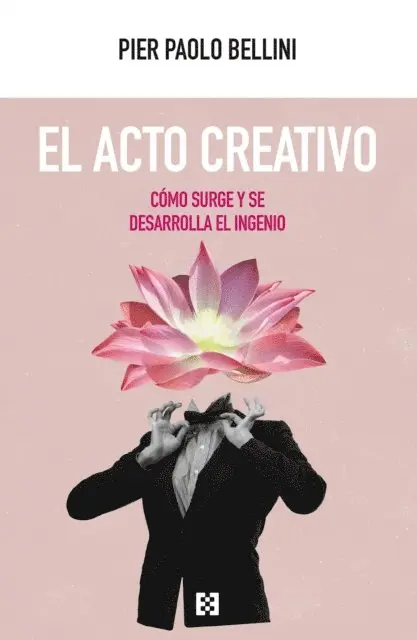
This open access book offers a concise overview of the theories constructed within the various human sciences around the theme of creativity as a symbolic capacity to link things together: it manifests itself when the individual endowed with a certain type of intelligence encounters cultural and social conditions that enable them to develop that capacity to the maximum, rather than inhibiting it or diverting it to other fields where it is doomed to failure. Even the most intimate of human expressiveness is considered as a result of an active social relationality. Social dimensions of creativity (evaluation, primary socialization, motivation, leadership) and “creative processes” (creative attitude, creative gesture, divergent thinking, problem-solving capacity, interdisciplinary approach, randomness, algorithmic creativity) are also analysed.The book concludes by evaluating the course taken in the light of the relational theory of society: the development of creativity cannot beconceived outside of self-other relations.This book is the result of a translation done with the help of artificial intelligence. The text has subsequently been revised further by a professional copy editor in order to refine the work stylistically.
This open access book offers a concise overview of the theories constructed within the various human sciences around the theme of creativity as a symbolic capacity to link things together: it manifests itself when the individual endowed with a certain type of intelligence encounters cultural and social conditions that enable them to develop that capacity to the maximum, rather than inhibiting it or diverting it to other fields where it is doomed to failure. Even the most intimate of human expressiveness is considered as a result of an active social relationality. Social dimensions of creativity (evaluation, primary socialization, motivation, leadership) and “creative processes” (creative attitude, creative gesture, divergent thinking, problem-solving capacity, interdisciplinary approach, randomness, algorithmic creativity) are also analysed.The book concludes by evaluating the course taken in the light of the relational theory of society: the development of creativity cannot beconceived outside of self-other relations.This book is the result of a translation done with the help of artificial intelligence. The text has subsequently been revised further by a professional copy editor in order to refine the work stylistically.
La noción de creatividad ha cambiado a lo largo de los siglos: desde su vínculo cercano con la palabra creación —y el castigo que mereció en mitos como el de Prometeo— pasando por perspectivas como la romántica —donde la creatividad es producto del genio—, hasta el uso del término creativo como sustantivo —y su referencia principal al mundo de la publicidad—. ¿En qué consiste, pues, lo creativo? ¿Qué fomenta la creatividad? ¿Cómo se desarrolla?Acompaña al profesor Pier Paolo Bellini en este recorrido fascinante a través de los aspectos psicológicos, históricos, artísticos, sociológicos y filosóficos de la creatividad. En este ensayo breve e integral verás cómo lo creativo aprovecha nuestras capacidades para crear analogías y reconocer similitudes, como también para promover la tendencia a la asociación de ideas, característica de la niñez. Porque la creatividad, su desarrollo progresivo, está al alcance de cualquiera que la cultive: solo hay que tener la voluntad de maravillarse ante el mundo.
La noción de creatividad ha cambiado a lo largo de los siglos: desde su vínculo cercano con la palabra creación —y el castigo que mereció en mitos como el de Prometeo— pasando por perspectivas como la romántica —donde la creatividad es producto del genio—, hasta el uso del término creativo como sustantivo —y su referencia principal al mundo de la publicidad—. ¿En qué consiste, pues, lo creativo? ¿Qué fomenta la creatividad? ¿Cómo se desarrolla?Acompaña al profesor Pier Paolo Bellini en este recorrido fascinante a través de los aspectos psicológicos, históricos, artísticos, sociológicos y filosóficos de la creatividad. En este ensayo breve e integral verás cómo lo creativo aprovecha nuestras capacidades para crear analogías y reconocer similitudes, como también para promover la tendencia a la asociación de ideas, característica de la niñez. Porque la creatividad, su desarrollo progresivo, está al alcance de cualquiera que la cultive: solo hay que tener la voluntad de maravillarse ante el mundo.