131 kr
Skickas
131 kr
Skickas
392 kr
Skickas inom 3-6 vardagar
745 kr
Skickas inom 10-15 vardagar
2 526 kr
Skickas inom 10-15 vardagar
194 kr
Skickas
113 kr
Läs direkt efter köp
774 kr
Läs direkt efter köp
Over the last 70 years, Japanese Studies scholarship has gone through several dominant paradigms, from ‘demystifying the Japanese’, to analysis of Japanese economic strength, to discussion of global interest in Japanese popular culture. This book assesses this literature, considering future directions for research into the 2020s and beyond.
Shifting the geographical emphasis of Japanese Studies away from the West to the Asia-Pacific region, this book identifies topic areas in which research focusing on Japan will play an important role in global debates in the coming years. This includes the evolution of area studies, coping with aging populations, the various patterns of migration and environmental breakdown. With chapters from an international team of contributors, including significant representation from the Asia-Pacific region, this book enacts Yoshio Sugimoto’s notion of ‘cosmopolitan methodology’ to discuss Japan in an interdisciplinary and transnational context and provides overviews of how Japanese Studies is evolving in other Asian countries such as China and Indonesia.
New Frontiers in Japanese Studies
is a thought-provoking volume and will be of great interest to students and scholars of Japanese and Asian Studies.
The Introduction and Chapter 1 of this book is freely available as a downloadable Open Access PDF at http://www.taylorfrancis.com under a Creative Commons Attribution-Non Commercial-No Derivatives (CC-BY-NC-ND) 4.0 license.
763 kr
Läs direkt efter köp
Over the last 70 years, Japanese Studies scholarship has gone through several dominant paradigms, from ‘demystifying the Japanese’, to analysis of Japanese economic strength, to discussion of global interest in Japanese popular culture. This book assesses this literature, considering future directions for research into the 2020s and beyond.
Shifting the geographical emphasis of Japanese Studies away from the West to the Asia-Pacific region, this book identifies topic areas in which research focusing on Japan will play an important role in global debates in the coming years. This includes the evolution of area studies, coping with aging populations, the various patterns of migration and environmental breakdown. With chapters from an international team of contributors, including significant representation from the Asia-Pacific region, this book enacts Yoshio Sugimoto’s notion of ‘cosmopolitan methodology’ to discuss Japan in an interdisciplinary and transnational context and provides overviews of how Japanese Studies is evolving in other Asian countries such as China and Indonesia.
New Frontiers in Japanese Studies
is a thought-provoking volume and will be of great interest to students and scholars of Japanese and Asian Studies.
The Introduction and Chapter 1 of this book is freely available as a downloadable Open Access PDF at http://www.taylorfrancis.com under a Creative Commons Attribution-Non Commercial-No Derivatives (CC-BY-NC-ND) 4.0 license.
1 028 kr
Skickas inom 10-15 vardagar
336 kr
Skickas inom 10-15 vardagar
721 kr
Skickas inom 10-15 vardagar
2 553 kr
Kommande
2 882 kr
Kommande
839 kr
Skickas inom 10-15 vardagar
2 489 kr
Skickas inom 10-15 vardagar
2 602 kr
Skickas inom 10-15 vardagar
877 kr
Läs direkt efter köp
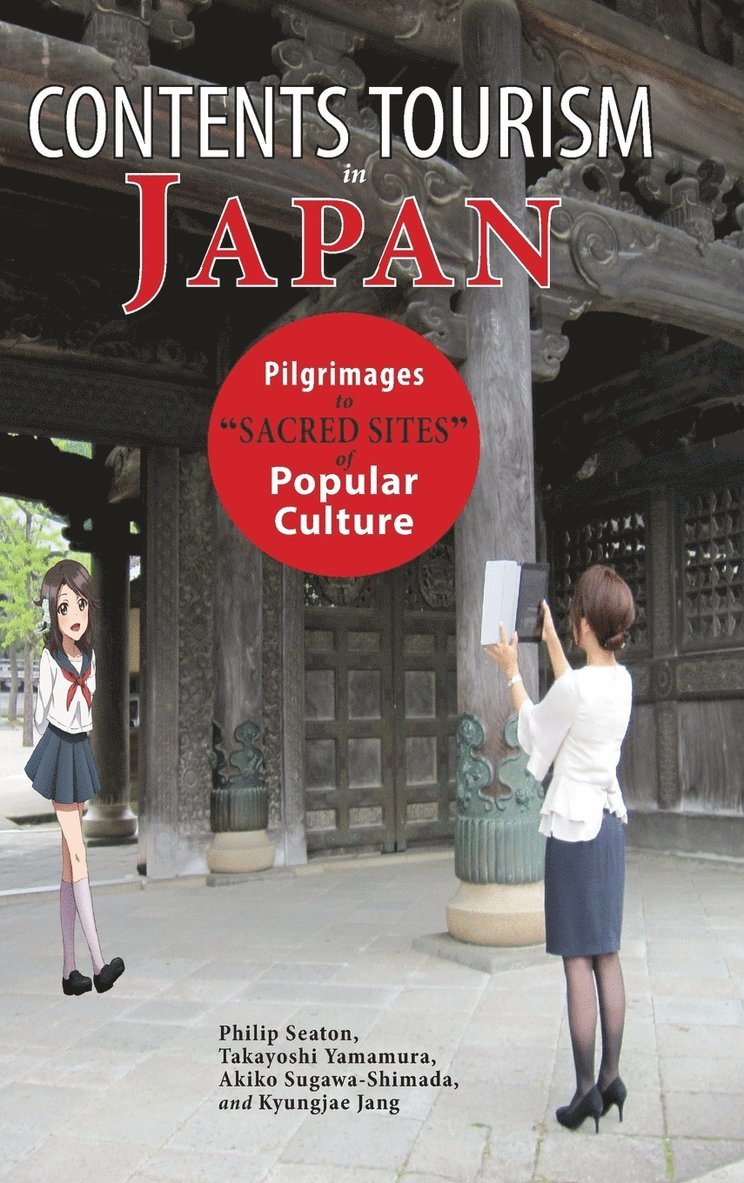
Contents tourism is tourism induced by the contents (narratives, characters, locations and other creative elements) of films, novels, games, manga, anime, television dramas and other forms of popular culture. Amidst the boom in global interest in Japanese popular culture, the utilization of popular culture to induce tourism domestically and internationally has been central to the "Cool Japan" strategy and, since 2005, government policy for local community revitalization. This book presents four main case studies of contents tourism: the phenomenon of "anime pilgrimage" to sites appearing in animated film; the travel behaviours and "pop-spiritualism" of female history fans to heritage sites; the collaboration between local community, fans and copyright holders that underpinned an anime-induced tourism boom in a small town north of Tokyo; and the large-scale economic impacts of tourism induced by NHK’s annual samurai period drama (Taiga Drama). It is the first major collection of articles published in English about media-induced tourism in Japan using the "contents tourism" approach. This book will be of particular interest to students and researchers of media and tourism studies in Asia. This book was previously published as a special issue of Japan Forum.
883 kr
Läs direkt efter köp
Contents tourism is tourism induced by the contents (narratives, characters, locations and other creative elements) of films, novels, games, manga, anime, television dramas and other forms of popular culture. Amidst the boom in global interest in Japanese popular culture, the utilization of popular culture to induce tourism domestically and internationally has been central to the "Cool Japan" strategy and, since 2005, government policy for local community revitalization. This book presents four main case studies of contents tourism: the phenomenon of "anime pilgrimage" to sites appearing in animated film; the travel behaviours and "pop-spiritualism" of female history fans to heritage sites; the collaboration between local community, fans and copyright holders that underpinned an anime-induced tourism boom in a small town north of Tokyo; and the large-scale economic impacts of tourism induced by NHK’s annual samurai period drama (Taiga Drama). It is the first major collection of articles published in English about media-induced tourism in Japan using the "contents tourism" approach. This book will be of particular interest to students and researchers of media and tourism studies in Asia. This book was previously published as a special issue of Japan Forum.
999 kr
Läs direkt efter köp
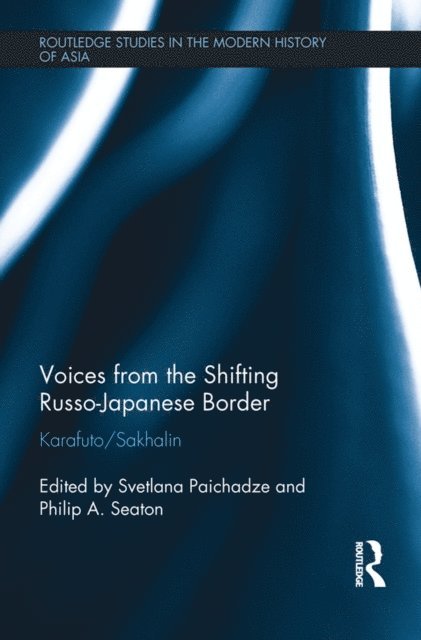
In the nineteenth century, as the Russian empire expanded eastwards and the Japanese empire expanded onto the Asian continent, the Russo-Japanese border became contested on and around the island of Sakhalin, its Russian name, or Karafuto, as it is known in Japanese. Then in the wake of the Second World War, Russia seized control of the island and the Japanese inhabitants were deported. Sakhalin’s history as a border zone makes it a lynchpin of Russo-Japanese relations, and as such it is a rich case study for exploring the key themes of this book: life in the borderlands, migration, repatriation, historical memory, multiculturalism and identity.
With a focus on cross-border dialogue, Voices from the Shifting Russo-Japanese Border reveals the lives of the ordinary people in the border regions between Russia and Japan, and how they and their communities have been affected by shifts in the Russo-Japanese border over the past century-and-a-half. Examining the lives and experiences of repatriates from Karafuto/Sakhalin in contemporary Hokkaido and their contribution to the multicultural society of Japan’s northernmost island, the chapters cover the border shifts in Karafuto/Sakhalin up until 1945, the immediate aftermath the Second World War, the commemorative practices and memories of those in both Japan and Eastern Russia, and, finally, postwar lives by drawing extensively on interviews with people in the communities affected most by the shifting border.
This interdisciplinary book will be of huge interest to students and scholars across a broad range of subjects including Russo-Japanese relations, Northeast Asian history, border studies, migration studies, and the Second World War.
1 399 kr
Skickas inom 7-10 vardagar
270 kr
Skickas
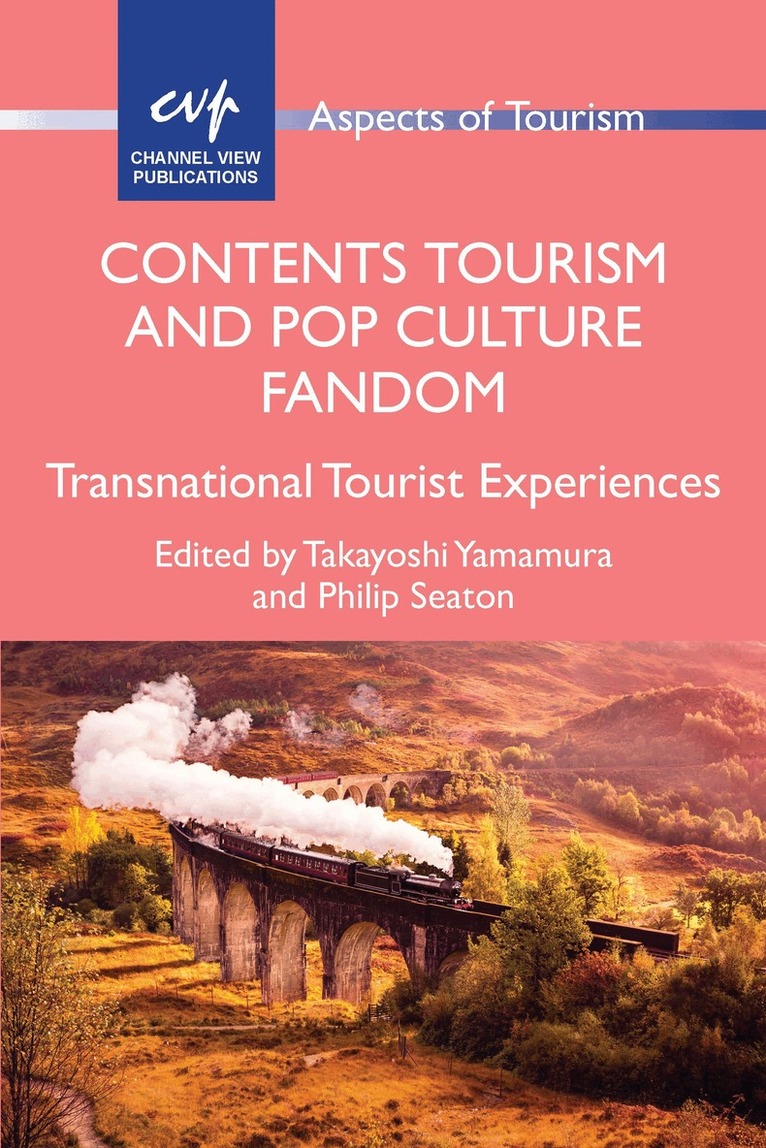
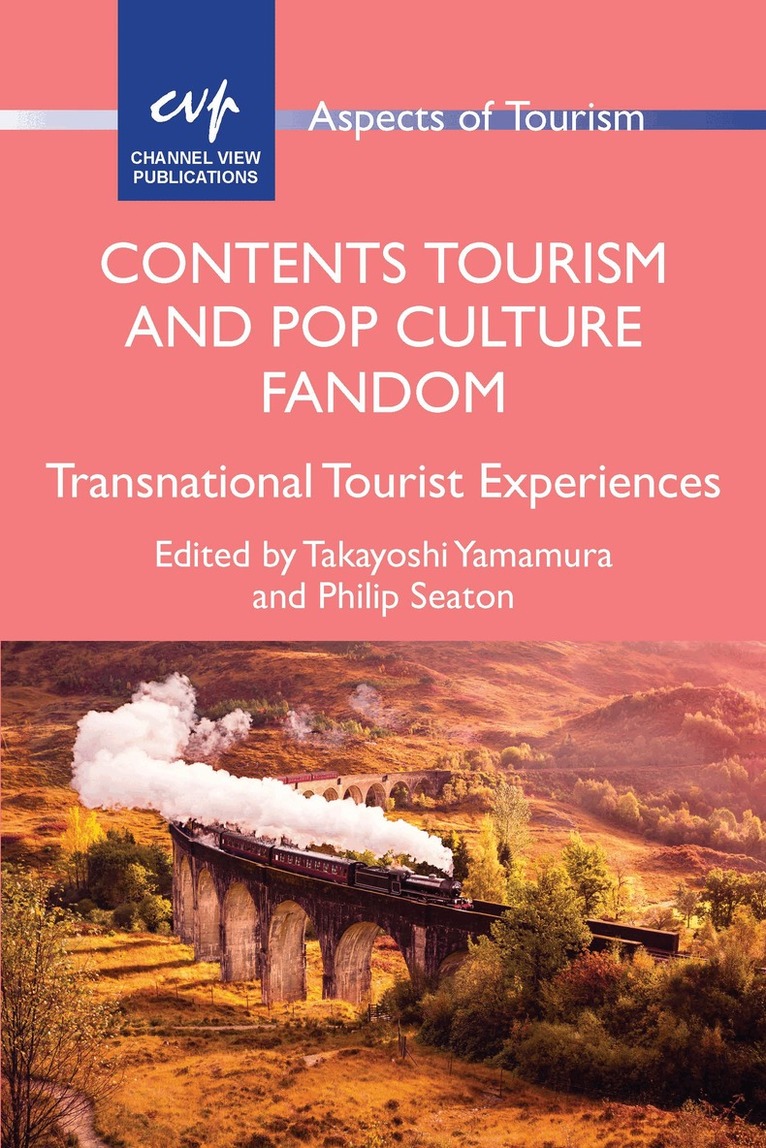
Transnational Tourist Experiences
532 kr
Skickas
Transnational Tourist Experiences
1 809 kr
Skickas inom 7-10 vardagar