756 kr
Läs direkt efter köp
756 kr
Läs direkt efter köp
3 115 kr
Skickas inom 7-10 vardagar
917 kr
Läs direkt efter köp
923 kr
Läs direkt efter köp
1 073 kr
Skickas inom 7-10 vardagar
1 035 kr
Läs direkt efter köp
1 050 kr
Läs direkt efter köp
756 kr
Läs direkt efter köp
1 364 kr
Skickas inom 10-15 vardagar
1 780 kr
Läs direkt efter köp
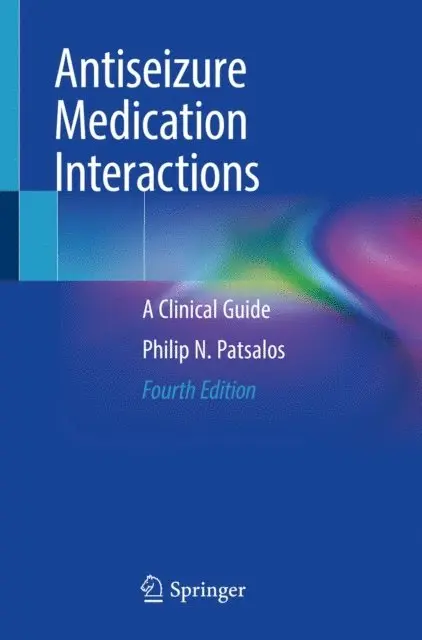
This significantly revised fourth edition provides a practically orientated guide to interactions associated with antiseizure medications. It describes pharmacokinetic and pharmacodynamic antiseizure medication (ASM) interactions, including details of the magnitude and mechanism of interactions, and also of drug combinations that are not associated with interactions and therefore can be co-prescribed without undue concern.
Presented in alphabetical order and by drug class, drug interactions that occur between ASMs and also between ASMs and non- ASMs are described in three sections: Drug interactions between ASMs; Drug interactions between ASMs and non- ASM Drugs: Interactions affecting ASMs; Drug interactions between ASMs and non ASM Drugs: Interactions affected by ASMs. The latest data on all drug interactions is presented. New agents discussed include cannabidiol, cenobamate, everolimus and fenfluramine,.
Antiseizure Medication Interactions: A Clinical Guide, 4th Edition concisely presents the most recent developments and data available on the topic. Therefore, enabling physicians and allied health professionals to make more rational choices when ASM polytherapy regimens are required. It will be of interest to medical professionals in disciplines including neurology, psychiatry and pediatrics.
1 502 kr
Läs direkt efter köp
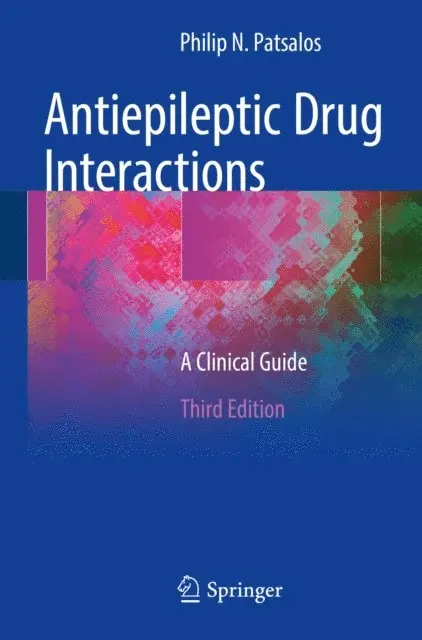
This updated third edition of a successful book is a description of both pharmacokinetic and pharmacodynamic antiepileptic drug (AED) interactions, including details of the magnitude and mechanism of interactions, and also of drug combinations that are not associated with interactions and therefore can be coprescribed without undue concern. Presented in alphabetical order and by drug class, drug interactions that occur between AEDs and also between AEDs and non-AEDs are described in three sections: Drug interactions between AEDs; Drug interactions between AEDs and non-AED Drugs: Interactions affecting AEDs; Drug interactions between AEDs and non-AED Drugs: Interactions affected by AEDs.
Antiepileptic Drug Interactions: A Clinical Guide, 3rd Edition with its clear, concise and unambiguous content will
allow physicians and allied health professionals to make more rational choices when AED polytherapy regimens are indicated. There is always a choice and avoiding highly interacting drugs and choosing drug combinations that are minimally interacting or do not interact should be the goal in treating patients with epilepsy. This book provides all the necessary information so as to allow this goal to be achieved and, if necessary, to aid effective management of AED interactions.