163 kr
Skickas inom 10-15 vardagar
163 kr
Skickas inom 10-15 vardagar
651 kr
Skickas inom 10-15 vardagar
1 186 kr
Skickas inom 10-15 vardagar
1 212 kr
Läs direkt efter köp
2 489 kr
Skickas inom 10-15 vardagar
874 kr
Skickas inom 10-15 vardagar
785 kr
Läs direkt efter köp
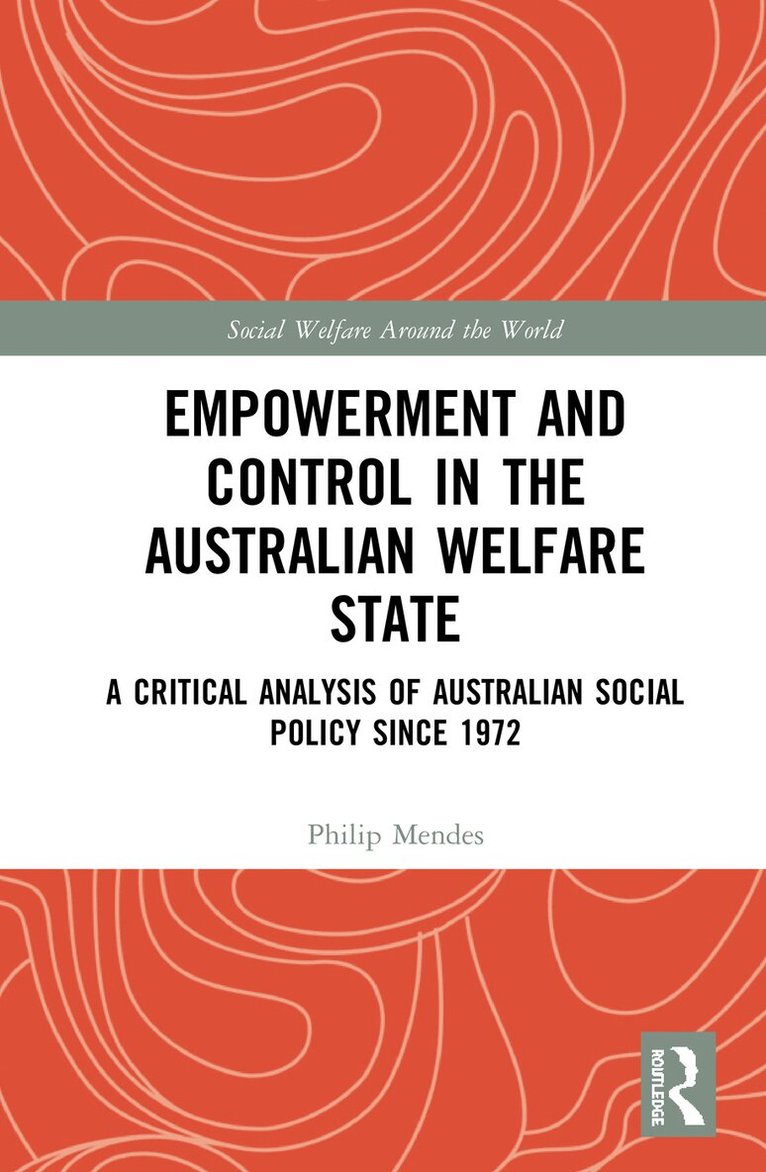
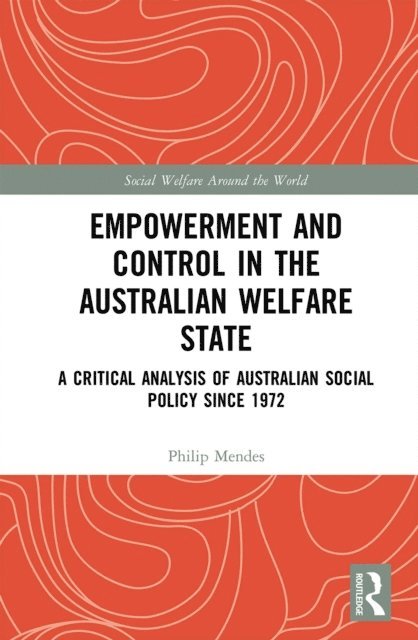
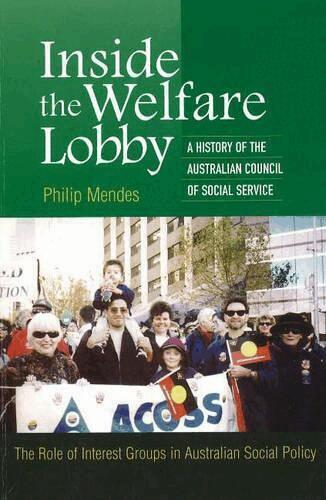
This book explores the tensions between the competing social rights and social control functions of the modern Australian welfare state. By critically examining the history and rhetoric of the Australian welfare state from 1972 to the present day, and using the author’s long-standing research on the Australian Council of Social Service and other welfare advocacy groups, it analyses the transformation from rights-based to conditional welfare.
The Labor Party Government from 1972-75 is identified as the only clear cut example of Australia positively using welfare payments and services as an instrument to promote greater social equity, inclusion and participation. Since the mid-1970s, the Australian welfare state has gradually retreated from the social rights agenda conceived by the Whitlam Government. Australia has followed other Anglo-Saxon countries in adopting increasingly conditional and paternalistic measures that undermine the protection of social citizenship outside the labour market.
In contrast, this text makes the case for an alternative participatory and decentralized welfare state model that would prioritize social care by empowering and supporting welfare service users at a local community level.
This book will be of interest to academics, students and policy-makers working within social policy, social work and political sociology.
768 kr
Läs direkt efter köp
This book explores the tensions between the competing social rights and social control functions of the modern Australian welfare state. By critically examining the history and rhetoric of the Australian welfare state from 1972 to the present day, and using the author’s long-standing research on the Australian Council of Social Service and other welfare advocacy groups, it analyses the transformation from rights-based to conditional welfare.
The Labor Party Government from 1972-75 is identified as the only clear cut example of Australia positively using welfare payments and services as an instrument to promote greater social equity, inclusion and participation. Since the mid-1970s, the Australian welfare state has gradually retreated from the social rights agenda conceived by the Whitlam Government. Australia has followed other Anglo-Saxon countries in adopting increasingly conditional and paternalistic measures that undermine the protection of social citizenship outside the labour market.
In contrast, this text makes the case for an alternative participatory and decentralized welfare state model that would prioritize social care by empowering and supporting welfare service users at a local community level.
This book will be of interest to academics, students and policy-makers working within social policy, social work and political sociology.
1 268 kr
Skickas inom 7-10 vardagar
415 kr
Skickas inom 10-15 vardagar
1 138 kr
Läs direkt efter köp
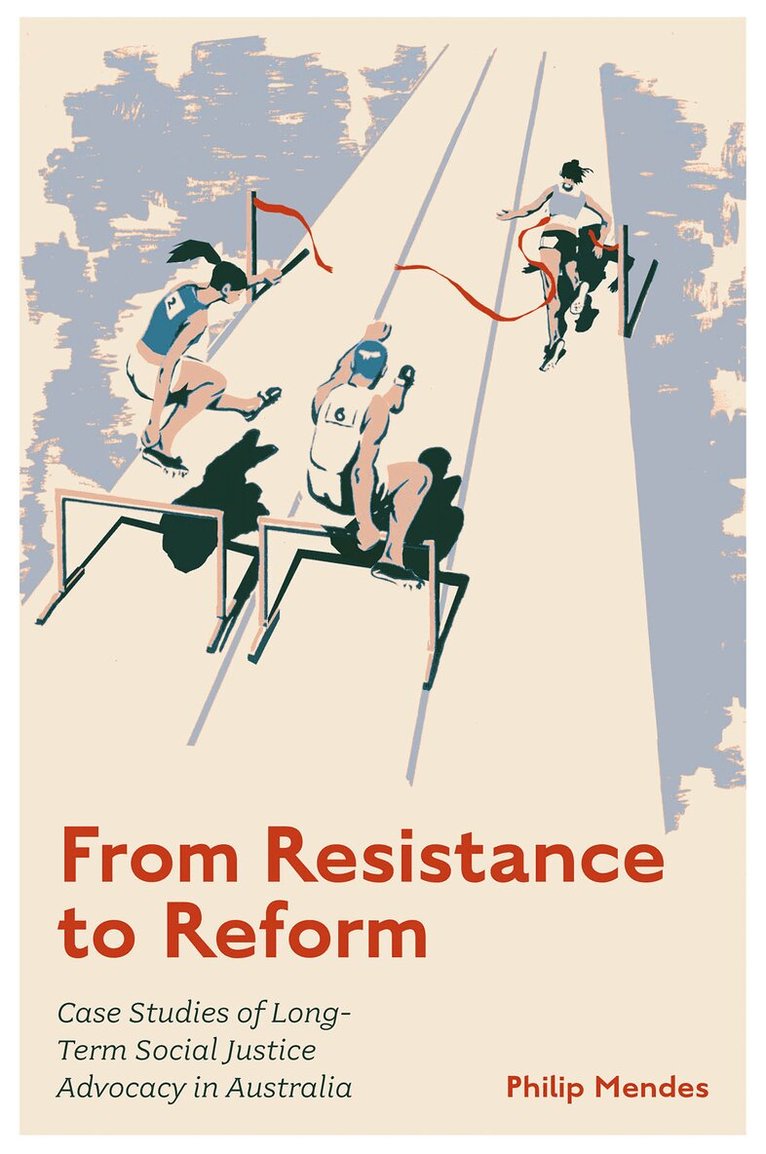
Many social policy texts examine specific social policy debates at a point in time and offer mostly technical interpretations of why existing or amended policies and programs have worked or not worked. In contrast, this text presents a comprehensive historical and political analysis of four policy areas where reform was achieved after many years of neglect.
Using a rich corpus of primary and secondary data, this is the first ever time that these four cases – covering discrete policy debates around young people transitioning from out-of-home care, medically supervised injecting facilities, social security payments for the unemployed, and compulsory income management – have been compared within an organized framework. For each of these policy areas, author Philip Mendes presents the long-term chronology of the public policy debates, the key arguments and evidence presented by researchers and advocacy groups in favour of policy reform, the strategies used by policy advocates, and the contrary arguments presented by governments and other bodies, as well as other factors which may have hindered or enabled policy change. Chronicling these cases where long-standing research evidence in favour of practice and policy reform suddenly achieved implementation and political impact when evidence finally trumped ideology, author Philip Mendes also describes the improved outcomes for disadvantaged groups and the wider community.
Arguing that governments should introduce policy development processes and networks that include active engagement with knowledge from domestic and global research studies, this is critical reading for scholars and policymakers internationally on the dynamics of policy initiatives, outcomes and reform.

1 058 kr
Skickas inom 7-10 vardagar
1 146 kr
Läs direkt efter köp
Many social policy texts examine specific social policy debates at a point in time and offer mostly technical interpretations of why existing or amended policies and programs have worked or not worked. In contrast, this text presents a comprehensive historical and political analysis of four policy areas where reform was achieved after many years of neglect.
Using a rich corpus of primary and secondary data, this is the first ever time that these four cases – covering discrete policy debates around young people transitioning from out-of-home care, medically supervised injecting facilities, social security payments for the unemployed, and compulsory income management – have been compared within an organized framework. For each of these policy areas, author Philip Mendes presents the long-term chronology of the public policy debates, the key arguments and evidence presented by researchers and advocacy groups in favour of policy reform, the strategies used by policy advocates, and the contrary arguments presented by governments and other bodies, as well as other factors which may have hindered or enabled policy change. Chronicling these cases where long-standing research evidence in favour of practice and policy reform suddenly achieved implementation and political impact when evidence finally trumped ideology, author Philip Mendes also describes the improved outcomes for disadvantaged groups and the wider community.
Arguing that governments should introduce policy development processes and networks that include active engagement with knowledge from domestic and global research studies, this is critical reading for scholars and policymakers internationally on the dynamics of policy initiatives, outcomes and reform.

486 kr
Skickas inom 7-10 vardagar
341 kr
Tillfälligt slut