534 kr
Skickas inom 10-15 vardagar
534 kr
Skickas inom 10-15 vardagar
486 kr
Läs direkt efter köp
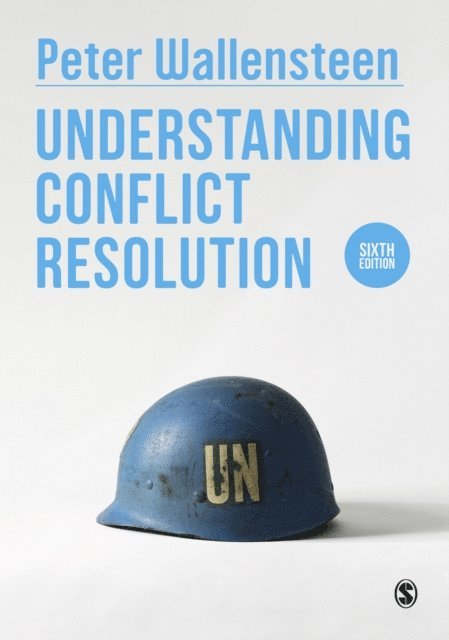
The definitive textbook from one of the most-cited scholars in the field of peace and conflict research. Understanding Conflict Resolution - the updated Sixth Edition - is a contemporary and fully revised introduction to resolving wars within and between states. It illustrates the ways to secure peace in the aftermath of all forms of political violence: from using armed force against civilians to gender-based violence; genocide to terrorism. Building on the many peace agreements that have been concluded in the past 30 years, this book draws on the UCDP, a definitive source for data on conflicts, wars and peace, and offers pathways to peace agreements in today’s increasingly unpredictable global political landscape. Featuring the latest research and with examples throughout, including an analysis of the origins and dynamics of the Russia-Ukraine war, this text introduces the tools to understand conflict resolution and analyse future challenges to global peace. This new edition has been fully revised and updated. It includes a contemporary focus on issues and examples that reflect the dynamics of political conflict today, and the addition of three cases to demonstrate application of theory and conclusions drawing from the latest research and up-to-date UCDP data. The perfect guide for undergraduate and postgraduate students taking Peace and Conflict courses, and wider Programmes in Negotiations, Mediation, and the UN. Peter Wallensteen is a leading expert on international peace, Senior Professor of Peace and Conflict Research at Uppsala University, Sweden, and the founder and former director of UCDP, the Uppsala Conflict Data Program. He holds the position of Richard G. Starmann, Sr. Professor Emeritus in Peace Studies, Kroc Institute for International Peace Studies, University of Notre Dame, US.
968 kr
Skickas inom 7-10 vardagar
156 kr
Skickas
508 kr
Skickas
915 kr
Läs direkt efter köp
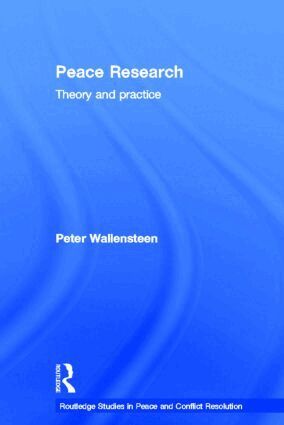
Comprising essays by Peter Wallensteen, this book presents an overview of the thematic development of peace research, which has become one of the most dynamic and innovative areas of war and conflict studies.
Peace research began in the 1950s when centres were formed in the USA and Europe, and today there are research institutes and departments on every continent, with teaching and research programs in most countries, and peace researchers contribute to the development of international studies, development research and security analysis. Prof. Wallensteen has been a witness to much of this since forming the Department of Peace and Conflict Research at Uppsala University in the late 1960s, and this book brings together thirteen of his articles with five new essays in one volume.
The book presents articles on such key issues in peace research as the causes of war, conflict data, conflict diplomacy, non-violent sanctions and third- party diplomacy. In this way, it demonstrates how basic research can be conducted in fields often seen as ‘unresearchable’ and ‘too complicated to deal with’. This volume shows that it is a matter of developing definitions, creating valid measures and finding ways of collecting information, recognising that innovations of this kind require supportive research environments. Furthermore, the results are not only useful for the growth of research activity itself, but for finding ways of dealing with actual conflicts. Thus, attention is also paid here to conflict prevention, peace agreements, sanctions and third-party activity for preventing and ending armed conflict, and building a lasting post-war peace.
This book will be of great interest to all students of peace studies, conflict resolution, war and conflict studies, development studies and IR/security studies in general.
2 810 kr
Skickas inom 7-10 vardagar
656 kr
Läs direkt efter köp
660 kr
Läs direkt efter köp
2 497 kr
Skickas inom 10-15 vardagar
687 kr
Skickas inom 10-15 vardagar
2 760 kr
Skickas inom 10-15 vardagar
963 kr
Skickas inom 10-15 vardagar
2 728 kr
Skickas inom 10-15 vardagar
789 kr
Skickas inom 10-15 vardagar
808 kr
Läs direkt efter köp
796 kr
Läs direkt efter köp
1 471 kr
Skickas inom 7-10 vardagar
505 kr
Läs direkt efter köp
502 kr
Läs direkt efter köp
609 kr
Skickas inom 10-15 vardagar
2 311 kr
Skickas inom 10-15 vardagar
760 kr
Läs direkt efter köp
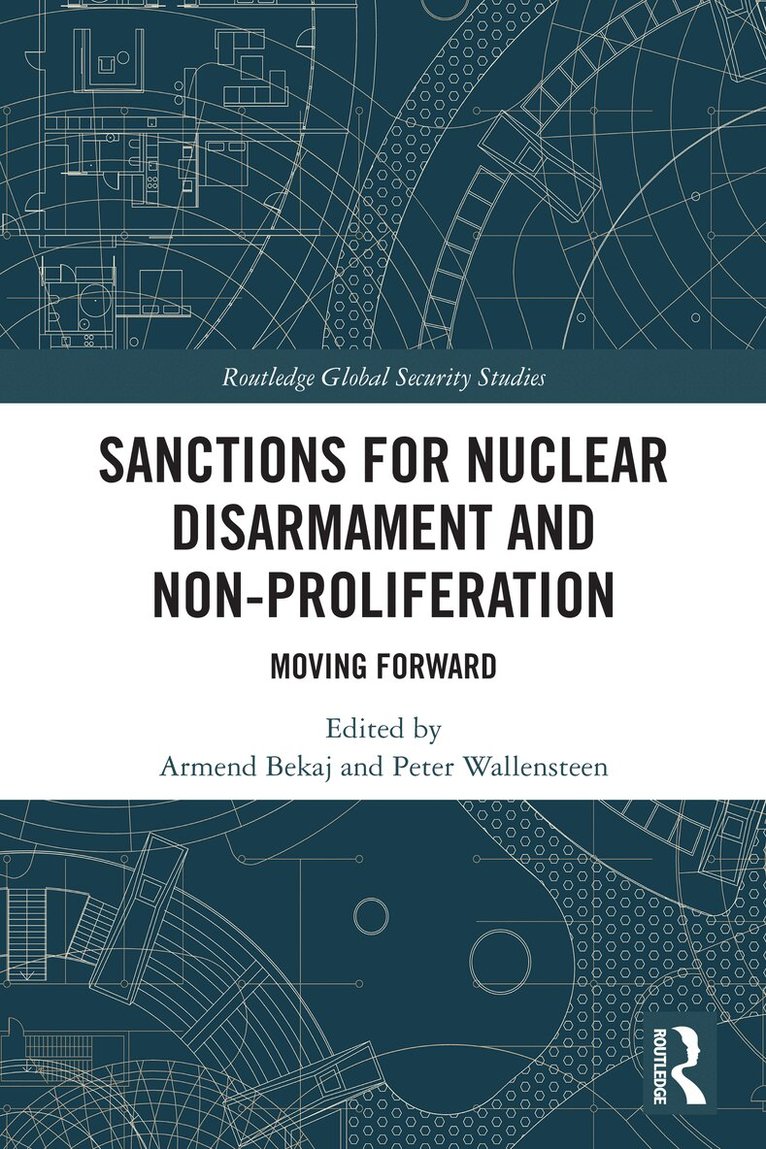
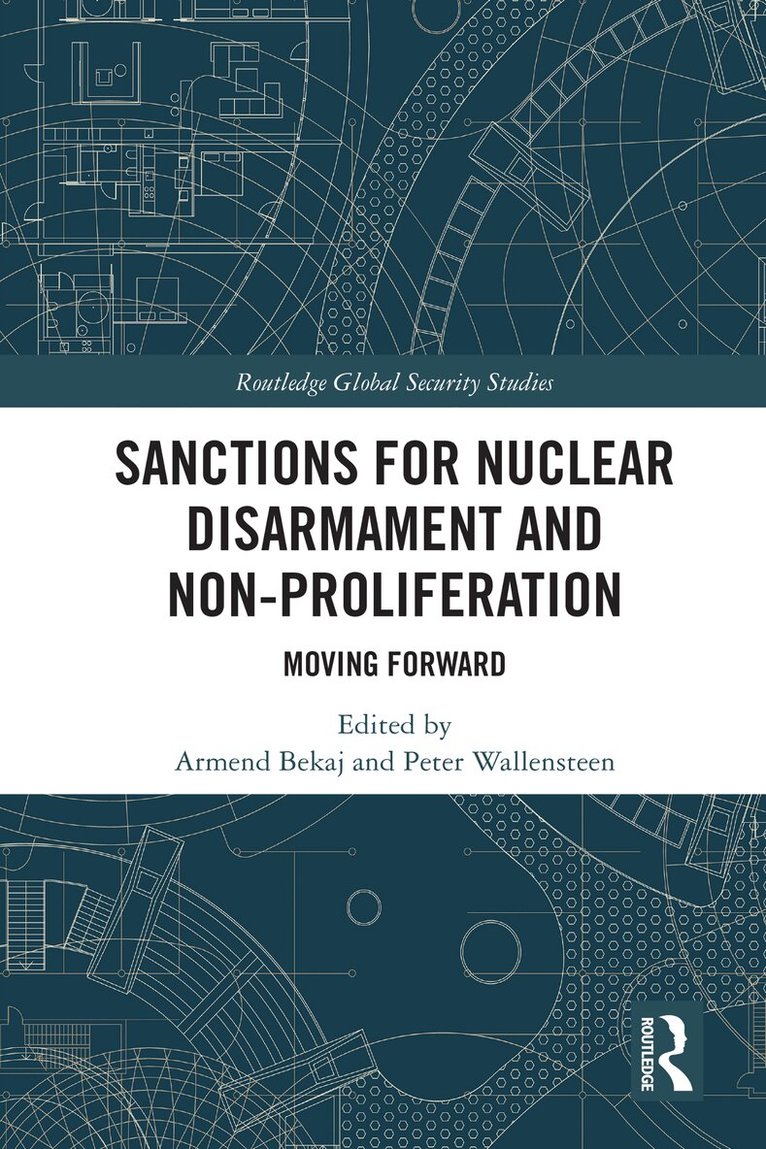
This book examines the interplay between sanctions and nuclear disarmament and non-proliferation.
The volume aims to tackle three separate but closely intertwined issues:
It aims to revisit the debate on, and deconstruct the concept of, sanctions; to provide a working theoretical framework; to differentiate between positive sanctions (or incentives or carrots) and negative sanctions; to identify the actors who may initiate sanctions (i.e. states, regional, and/or international organizations); to ascertain the legality and legitimacy of such sanctions taking place; to problematize and discuss the utility of sanctions; and so on. It aims to disentangle the concepts of nuclear disarmament and non-proliferation, particularly in light of the most recent geopolitical global shifts on nuclear powers-interplay taking place in the background of the war in Ukraine and rising tensions in Southeast Asia, and so on. Finally, it aims to conjoin the cause-and-effect cases between the application of sanctions, on the one hand, and the decision by states to pursue nuclear disarmament and non-proliferation, on the other. By doing so, the volume helps to update and stimulate the academic and policy debate on the inter-relation between sanctions and nuclear disarmament and non-proliferation.This book will be of much interest to students of nuclear non-proliferation, economic sanctions, security studies, and International Relations.
765 kr
Läs direkt efter köp
This book examines the interplay between sanctions and nuclear disarmament and non-proliferation.
The volume aims to tackle three separate but closely intertwined issues:
It aims to revisit the debate on, and deconstruct the concept of, sanctions; to provide a working theoretical framework; to differentiate between positive sanctions (or incentives or carrots) and negative sanctions; to identify the actors who may initiate sanctions (i.e. states, regional, and/or international organizations); to ascertain the legality and legitimacy of such sanctions taking place; to problematize and discuss the utility of sanctions; and so on. It aims to disentangle the concepts of nuclear disarmament and non-proliferation, particularly in light of the most recent geopolitical global shifts on nuclear powers-interplay taking place in the background of the war in Ukraine and rising tensions in Southeast Asia, and so on. Finally, it aims to conjoin the cause-and-effect cases between the application of sanctions, on the one hand, and the decision by states to pursue nuclear disarmament and non-proliferation, on the other. By doing so, the volume helps to update and stimulate the academic and policy debate on the inter-relation between sanctions and nuclear disarmament and non-proliferation.This book will be of much interest to students of nuclear non-proliferation, economic sanctions, security studies, and International Relations.
2 278 kr
Kommande
1 131 kr
Läs direkt efter köp
1 131 kr
Läs direkt efter köp
915 kr
Läs direkt efter köp
Comprising essays by Peter Wallensteen, this book presents an overview of the thematic development of peace research, which has become one of the most dynamic and innovative areas of war and conflict studies.
Peace research began in the 1950s when centres were formed in the USA and Europe, and today there are research institutes and departments on every continent, with teaching and research programs in most countries, and peace researchers contribute to the development of international studies, development research and security analysis. Prof. Wallensteen has been a witness to much of this since forming the Department of Peace and Conflict Research at Uppsala University in the late 1960s, and this book brings together thirteen of his articles with five new essays in one volume.
The book presents articles on such key issues in peace research as the causes of war, conflict data, conflict diplomacy, non-violent sanctions and third- party diplomacy. In this way, it demonstrates how basic research can be conducted in fields often seen as ‘unresearchable’ and ‘too complicated to deal with’. This volume shows that it is a matter of developing definitions, creating valid measures and finding ways of collecting information, recognising that innovations of this kind require supportive research environments. Furthermore, the results are not only useful for the growth of research activity itself, but for finding ways of dealing with actual conflicts. Thus, attention is also paid here to conflict prevention, peace agreements, sanctions and third-party activity for preventing and ending armed conflict, and building a lasting post-war peace.
This book will be of great interest to all students of peace studies, conflict resolution, war and conflict studies, development studies and IR/security studies in general.
2 489 kr
Skickas inom 10-15 vardagar
743 kr
Skickas inom 10-15 vardagar