2 601 kr
Skickas inom 10-15 vardagar
2 601 kr
Skickas inom 10-15 vardagar
236 kr
Skickas inom 3-6 vardagar
888 kr
Läs direkt efter köp
1 397 kr
Skickas inom 7-10 vardagar
888 kr
Läs direkt efter köp
731 kr
Skickas inom 10-15 vardagar
795 kr
Skickas inom 10-15 vardagar
2 455 kr
Skickas inom 10-15 vardagar
690 kr
Skickas inom 10-15 vardagar
2 843 kr
Skickas inom 10-15 vardagar
250 kr
Skickas inom 7-10 vardagar
279 kr
Skickas inom 7-10 vardagar
286 kr
Skickas
325 kr
Skickas
790 kr
Läs direkt efter köp
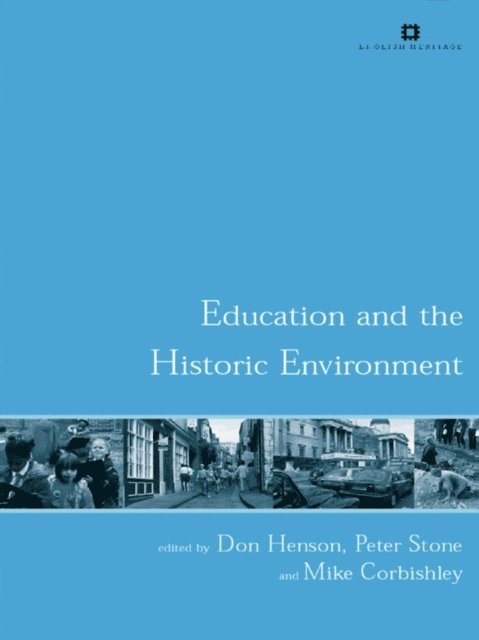
Practical, inspiring and instructive, Education and the Historic Environment emphasizes the contribution to both education and heritage that results from a positive relationship between the two disciplines.
Education and the Historic Environment examines evidence, case studies and chapters from a wide cross section of the heritage sector and:
argues for the value of using the physical remains of the past shows how and where the historic environment can be used to fit into and enhance learning examines how guidelines are reinforced looks at how physical heritage can not only be used to teach obvious subjects such as history, but are also useful across the curriculum, from literacy and numeracy to citizenship.Teachers at all levels, and students, academics and professionals in archaeology and heritage management, will all be able to use the case studies to reform and enhance their work.
808 kr
Läs direkt efter köp
Practical, inspiring and instructive, Education and the Historic Environment emphasizes the contribution to both education and heritage that results from a positive relationship between the two disciplines.
Education and the Historic Environment examines evidence, case studies and chapters from a wide cross section of the heritage sector and:
argues for the value of using the physical remains of the past shows how and where the historic environment can be used to fit into and enhance learning examines how guidelines are reinforced looks at how physical heritage can not only be used to teach obvious subjects such as history, but are also useful across the curriculum, from literacy and numeracy to citizenship.Teachers at all levels, and students, academics and professionals in archaeology and heritage management, will all be able to use the case studies to reform and enhance their work.
785 kr
Läs direkt efter köp
779 kr
Läs direkt efter köp
977 kr
Läs direkt efter köp
999 kr
Läs direkt efter köp
856 kr
Läs direkt efter köp
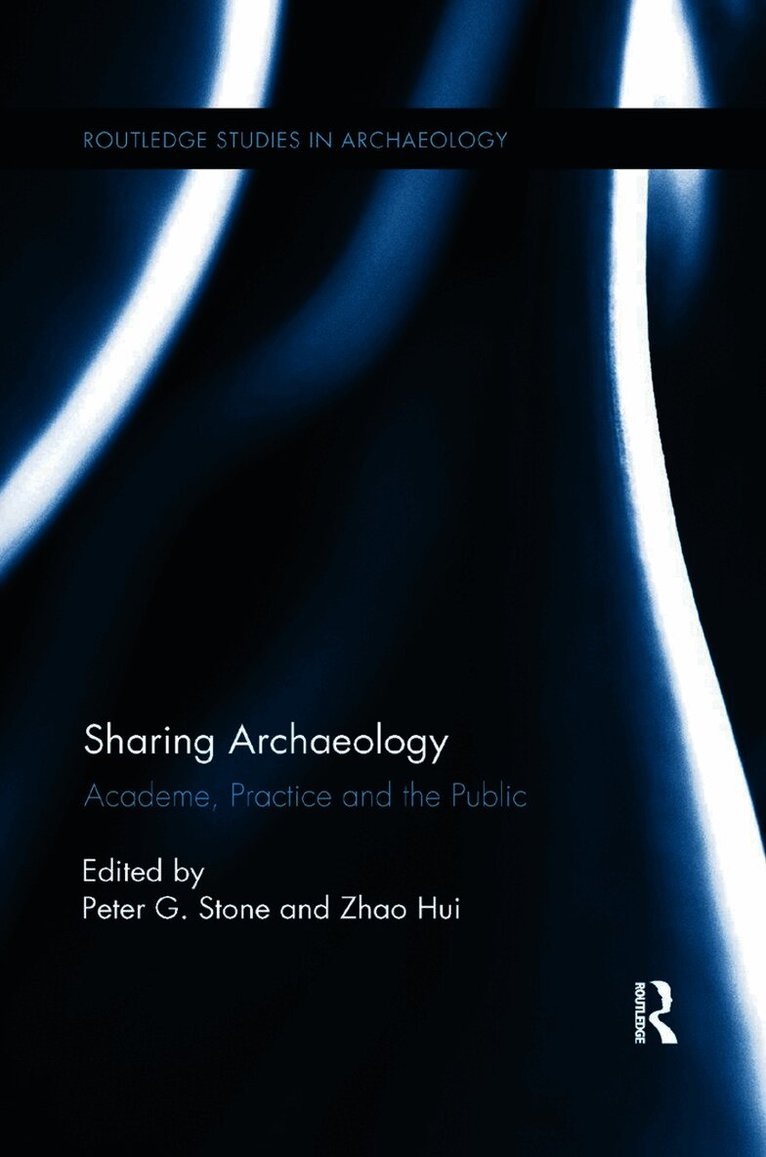
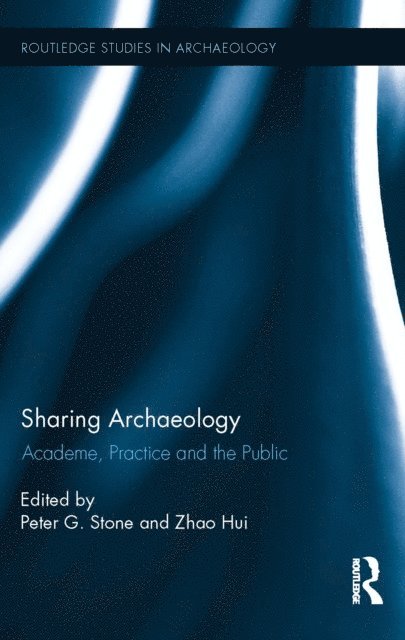
As a discipline, Archaeology has developed rapidly over the last half-century. The increase in so-called ‘public archaeology,’ with its wide range of television programming, community projects, newspaper articles, and enhanced site-based interpretation has taken archaeology from a closed academic discipline of interest to a tiny minority to a topic of increasing interest to the general public. This book explores how archaeologists share information – with specialists from other disciplines working within archaeology, other archaeologists, and a range of non-specialist groups. It emphasises that to adequately address contemporary levels of interest in their subject, archaeologists must work alongside and trust experts with an array of different skills and specializations.
Drawing on case studies from eleven countries, Sharing Archaeology explores a wide range of issues raised as the result of archaeologists’ communication both within and outside the discipline. Examining best practice with wider implications and uses beyond the specified case studies, the chapters in this book raise questions as well as answers, provoking a critical evaluation of how best to interact with varied audiences and enhance sharing of archaeology.
191 kr
Skickas
167 kr
Läs direkt efter köp
133 kr
Läs direkt efter köp
2 601 kr
Skickas inom 10-15 vardagar
671 kr
Skickas inom 10-15 vardagar
990 kr
Skickas inom 7-10 vardagar
863 kr
Skickas inom 7-10 vardagar
864 kr
Läs direkt efter köp
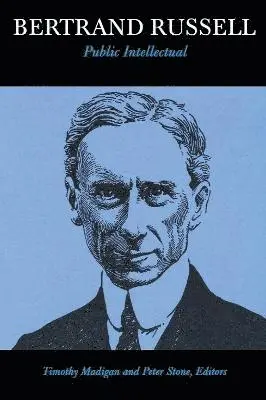
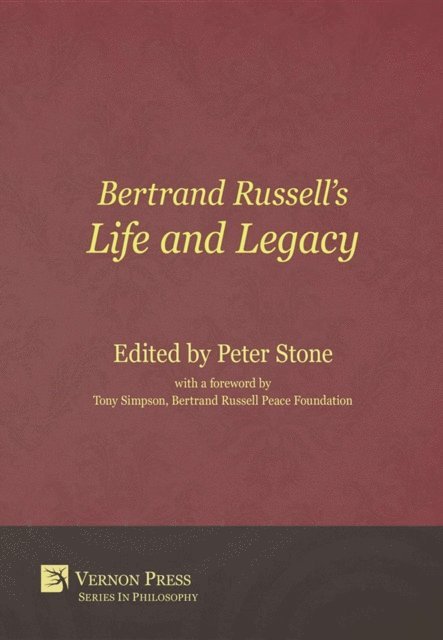
Almost five decades after his death, there is still ample reason to pay attention to the life and legacy of Bertrand Russell. This is true not only because of his role as one of the founders of analytic philosophy, but also because of his important place in twentieth-century history as an educator, public intellectual, critic of organized religion, humanist, and peace activist. The papers in this anthology explore Russell’s life and legacy from a wide variety of perspectives. This is altogether fitting, given the many-sided nature of Russell, his life, and his work.
The first section of the book considers Russell the man, and draws lessons from Russell’s complicated personal life. The second examines Russell the philosopher, and the philosophical world within which his work was embedded. The third scrutinizes Russell the atheist and critic of organized religion, inquiring which parts of his critical stance are worth emulating today. The final section revisits Russell the political activist; it directs an eye both at Russell’s own long career of peace activism, but also at his place in a highly political family tradition of which he was justifiably proud.
This book thus constitutes an invitation, if one were needed, to the world of Bertrand Russell. Those new to Russell, but with an interest in biography, philosophy, religion, or politics, will hopefully find something to learn here. This may spark an interest in learning more about Russell. But this book is not just intended for the Russell neophyte. The book sheds fresh light on a number of topics central to Russell studies—his connections to other philosophers, for example. Scholars well-versed in Russell studies will enjoy grappling with the treatment given to these topics here.