In the ninth and tenth centuries the Vikings created a cultural network that spanned four continents: from the Caspian Sea to the North Atlantic and from the Arctic Circle to the Mediterranean. The Viking Age was a period of major change as a result of the Vikings' impact on neighboring areas and the introduction of external influences into Scandinavia. This book explores Viking culture from a global perspective, examining the influences of their varied contacts from around the world and how Viking Scandinavia drew from both Christian Europe and the Islamic world. The book focuses on the core period of the Viking Age, from the late eighth to the early eleventh centuries. New discoveries by archaeologists and metal detectorists highlight the interconnected nature of the cultures of Europe, Byzantium, and the Middle East.Vikings accompanies a major exhibition developed jointly by the British Museum, the National Museum of Denmark, and the Museum for Prehistory and Early History in Berlin. Edited by the exhibition curators Gareth Williams, Peter Pentz, and Matthias Wemhoff and with contributions from a number of key experts, the book, with its strong, flowing narrative and integrated illustrations, draws on a wealth of Viking objects to provide a rich and vivid account of the impact of Viking expansion throughout the world.
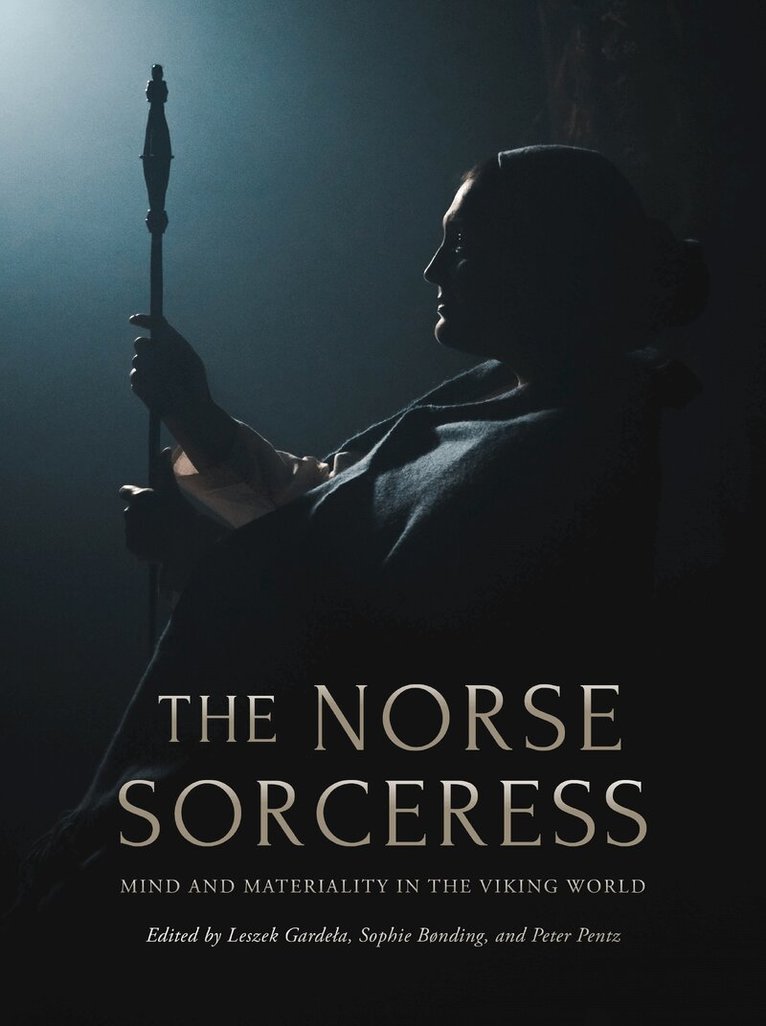
Old Norse literature abounds with descriptions of magic acts that allow ritual specialists of various kinds to manipulate the world around them, see into the future or the distant past, change weather conditions, influence the outcomes of battles, and more. While magic practitioners are known under myriad terms, the most iconic of them is the völva. As the central figure of the famous mythological poem Völuspá (The Prophecy of the Völva), the völva commands both respect and fear. In non-mythological texts similar women are portrayed as crucial albeit somewhat peculiar members of society. Always veiled in mystery, the völur and their kind have captured the academic and popular imagination for centuries. Bringing together scholars from various disciplinary backgrounds, this volume provides new insights into the reality of magic and its agents in the Viking world, beyond the pages of medieval texts. It explores new trajectories for the study of past mentalities, beliefs, and rituals as well as the tools employed in these practices and the individuals who wielded them. In doing so, the volume engages with several topical issues of Viking Age research, including the complex entanglements of mind and materiality, the cultural attitudes to animals and the natural world, and the cultural constructions of gender and sexuality. By addressing these complex themes, it offers a nuanced image of the völva and related magic workers in their cultural context. It will appeal to a broad, diverse, and international audience, including experts in the field of Viking and Old Norse studies but also various non-professional history enthusiasts. The Norse Sorceress: Mind and Materiality in the Viking World is a key output of the project Tanken bag Tingene (Thoughts behind Things) conducted at the National Museum of Denmark from 2020 to 2023 and funded by the Krogager Foundation.
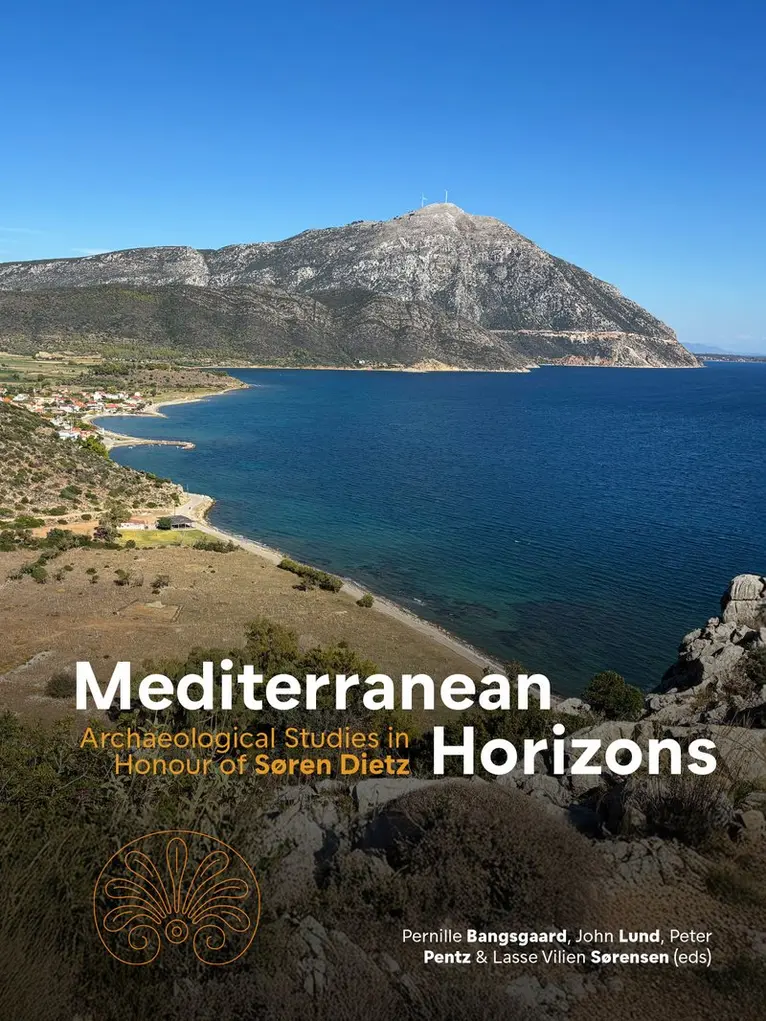
The Mediterranean has always been a crossroads of cultures, ideas, and histories. From the Stone Age to the first millennium BC, this vibrant region shaped—and was shaped by—the movements of people, the exchange of goods, and the rise of complex societies. Mediterranean Horizons celebrates the career of Søren Dietz, a pioneering archaeologist and founder of The Danish Institute in Athens whose work has illuminated these connections across time and space.This honorary volume brings together researchers and friends to explore themes close to Søren’s heart: the Aegean’s ancient past, the Bronze Age networks linking Scandinavia to the Mediterranean, and the rich tapestry of life in Greece and Tunisia. The book begins in the Stone Age, where climate shifts and the quest for rare materials drove early communities to innovate and adapt. It then turns to the Bronze Age, a time of bold trade routes, shared crafts, and cultural exchanges—from Baltic amber reaching Mycenaean Greece to Minoan treasures found in warrior graves.Later sections focus on mainland Greece, where Søren’s excavations revealed the daily lives of Iron Age villagers, the grandeur of ancient theaters, and the secrets of fortified cities. The journey ends in Tunisia, where his work in Carthage and the Africa Proconsularis project uncovered layers of history beneath the North African soil.More than just a collection of research, this book is a tribute to curiosity and collaboration. It reflects Søren’s belief that archaeology is not just about uncovering objects, but about understanding the people and societies who made and used them. With vivid stories and novel insights, Mediterranean Horizons invites readers to explore the past—and to see how its echoes still resonate today.