216 kr
Skickas inom 7-10 vardagar
216 kr
Skickas inom 7-10 vardagar
703 kr
Läs direkt efter köp
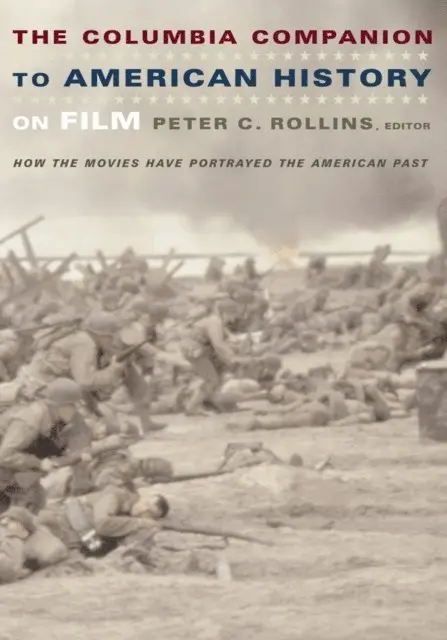
American history has always been an irresistible source of inspiration for filmmakers, and today, for good or ill, most Americans''sense of the past likely comes more from Hollywood than from the works of historians. In important films such as The Birth of a Nation (1915), Roots (1977), Apocalypse Now (1979), and Saving Private Ryan (1998), how much is entertainment and how much is rooted in historical fact? In The Columbia Companion to American History on Film, more than seventy scholars consider the gap between history and Hollywood. They examine how filmmakers have presented and interpreted the most important events, topics, eras, and figures in the American past, often comparing the film versions of events with the interpretations of the best historians who have explored the topic. Divided into eight broad categories—Eras; Wars and Other Major Events; Notable People; Groups; Institutions and Movements; Places; Themes and Topics; and Myths and Heroes—the volume features extensive cross-references, a filmography (of discussed and relevant films), notes, and a bibliography of selected historical works on each subject. The Columbia Companion to American History on Film is also an important resource for teachers, with extensive information for research or for course development appropriate for both high school and college students.Though each essay reflects the unique body of film and print works covering the subject at hand, every essay addresses several fundamental questions: What are the key films on this topic? What sources did the filmmaker use, and how did the film deviate (or remain true to) its sources? How have film interpretations of a particular historical topic changed, and what sorts of factors—technological, social, political, historiographical—have affected their evolution? Have filmmakers altered the historical record with a view to enhancing drama or to enhance the "truth" of their putative message?
466 kr
Skickas inom 3-6 vardagar
969 kr
Skickas inom 3-6 vardagar
397 kr
Läs direkt efter köp
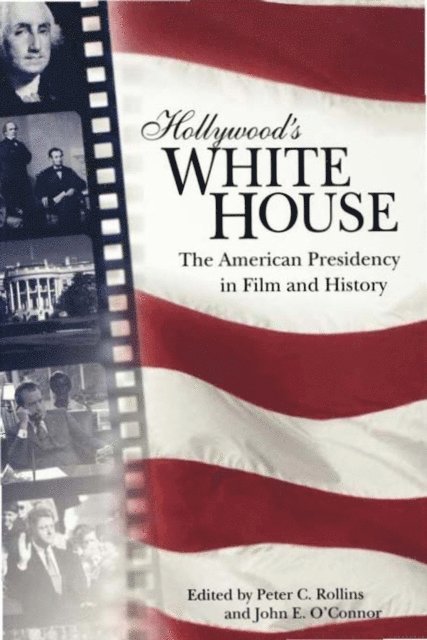
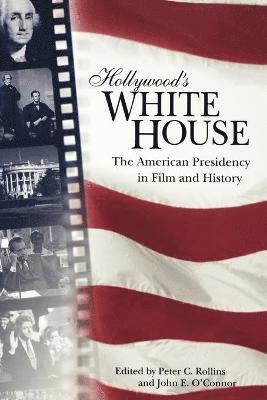
" Winner of the 2003 Ray and Pat Browne Book Award, given by the Popular Culture Association The contributors to Hollywood''s White House examine the historical accuracy of these presidential depictions, illuminate their influence, and uncover how they reflect the concerns of their times and the social and political visions of the filmmakers. The volume, which includes a comprehensive filmography and a bibliography, is ideal for historians and film enthusiasts.
406 kr
Läs direkt efter köp
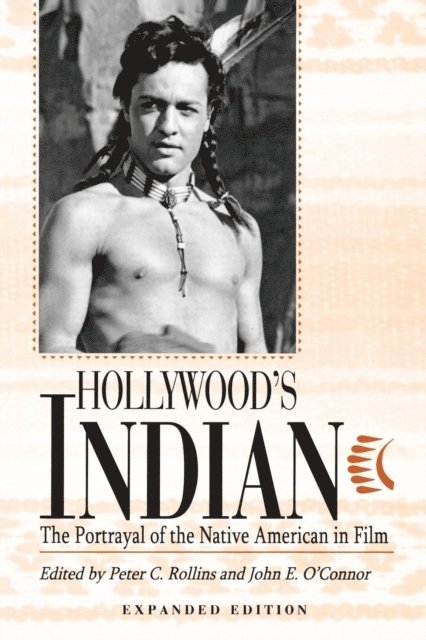
Offering both in-depth analyses of specific films and overviews of the industry''s output, Hollywood''s Indian provides insightful characterizations of the depiction of the Native Americans in film. This updated edition includes a new chapter on Smoke Signals, the groundbreaking independent film written by Sherman Alexie and directed by Chris Eyre. Taken as a whole the essays explore the many ways in which these portrayals have made an impact on our collective cultural life.
219 kr
Läs direkt efter köp
219 kr
Läs direkt efter köp
607 kr
Läs direkt efter köp
598 kr
Läs direkt efter köp
419 kr
Läs direkt efter köp
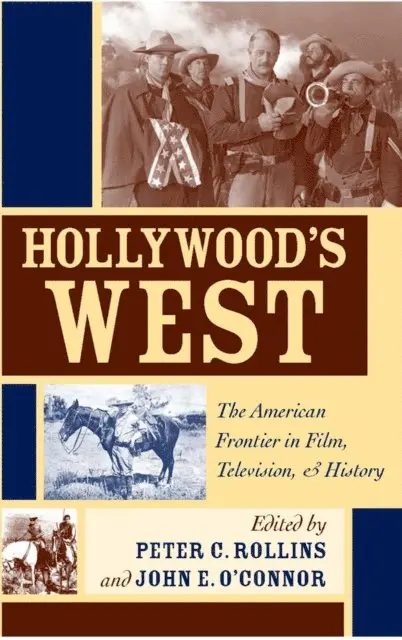
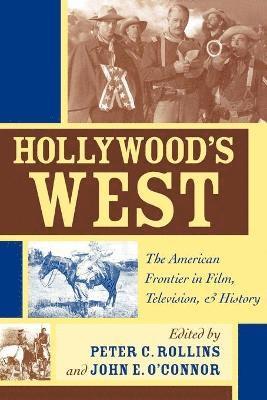
American historians such as Frederick Jackson Turner have argued that the West has been the region that most clearly defines American democracy and the national ethos. Throughout the twentieth century, the "frontier thesis" influenced film and television producers who used the West as a backdrop for an array of dramatic explorations of America''s history and the evolution of its culture and values. The common themes found in Westerns distinguish the genre as a quintessentially American form of dramatic art. In Hollywood''s West, Peter C. Rollins, John E. O''Connor, and the nation''s leading film scholars analyze popular conceptions of the frontier as a fundamental element of American history and culture. This volume examines classic Western films and programs that span nearly a century, from Cimarron (1931) to Turner Network Television''s recent made-for-TV movies. Many of the films discussed here are considered among the greatest cinematic landmarks of all time. The essays highlight the ways in which Westerns have both shaped and reflected the dominant social and political concerns of their respective eras. While Cimarron challenged audiences with an innovative, complex narrative, other Westerns of the early sound era such as The Great Meadow (1931) frequently presented nostalgic visions of a simpler frontier era as a temporary diversion from the hardships of the Great Depression. Westerns of the 1950s reveal the profound uncertainty cast by the cold war, whereas later Westerns display heightened violence and cynicism, products of a society marred by wars, assassinations, riots, and political scandals. The volume concludes with a comprehensive filmography and an informative bibliography of scholarly writings on the Western genre. This collection will prove useful to film scholars, historians, and both devoted and casual fans of the Western genre. Hollywood''s West makes a significant contribution to the understanding of both the historic American frontier and its innumerable popular representations.
924 kr
Läs direkt efter köp
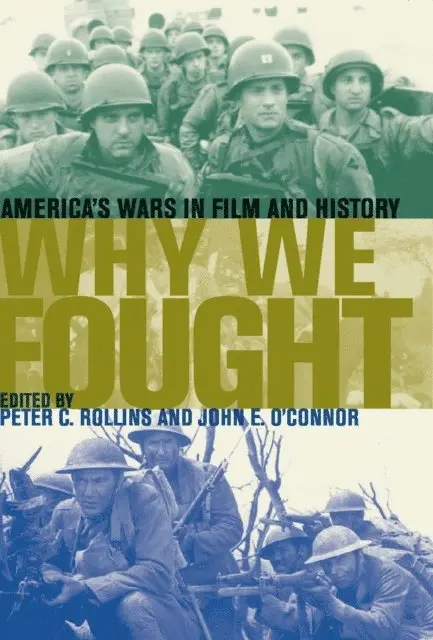
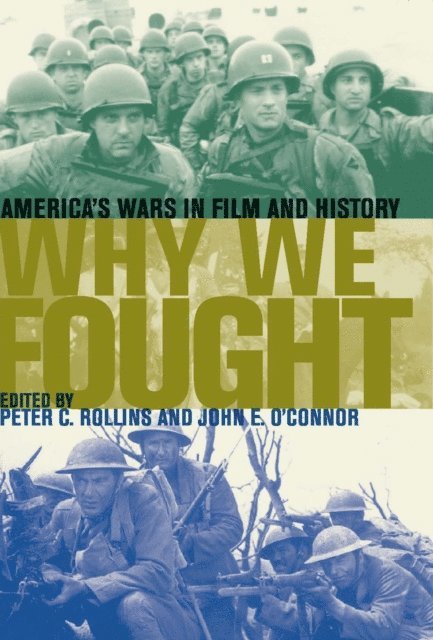
Film moves audiences like no other medium; both documentaries and feature films are especially remarkable for their ability to influence viewers. Best-selling author James Brady remarked that he joined the Marines to fight in Korea after seeing a John Wayne film, demonstrating how a motion picture can change the course of a human life -- in this case, launching the career of a major historian and novelist. In Why We Fought: America''s Wars in Film and History, editors Peter C. Rollins and John E. O''Connor explore the complexities of war films, describing the ways in which such productions interpret history and illuminate American values, politics, and culture. This comprehensive volume covers representations of war in film from the American Revolution in the 18th century to today''s global War on Terror. The contributors examine iconic battle films such as The Big Parade (1925), All Quiet on the Western Front (1930), From Here to Eternity (1953), and Platoon (1986), considering them as historical artifacts. The authors explain how film shapes our cultural understanding of military conflicts, analyzing how war is depicted on television programs, through news media outlets, and in fictional and factual texts. With several essays examining the events of September 11, 2001, and their aftermath, the book has a timely relevance concerning the country''s current military conflicts. Jeff Chown examines controversial documentary films about the Iraq War, while Stacy Takacs considers Jessica Lynch and American gender issues in a post-9/11 world, and James Kendrick explores the political messages and aesthetic implications of United 93. From filmmakers who reshaped our understanding of the history of the Alamo, to Ken Burns''s popular series on the Civil War, to the uses of film and media in understanding the Vietnam conflict, Why We Fought offers a balanced outlook -- one of the book''s editors was a combat officer in the United States Marines, the other an antiwar activist -- on the conflicts that have become touchstones of American history. As Air Force veteran and film scholar Robert Fyne notes in the foreword, American war films mirror a nation''s past and offer tangible evidence of the ways millions of Americans have become devoted, as was General MacArthur, to "Duty, honor, and country." Why We Fought chronicles how, for more than half a century, war films have shaped our nation''s consciousness.

526 kr
Skickas inom 3-6 vardagar
472 kr
Skickas inom 3-6 vardagar
439 kr
Skickas inom 3-6 vardagar
512 kr
Skickas inom 3-6 vardagar
258 kr
Läs direkt efter köp
471 kr
Skickas inom 7-10 vardagar
614 kr
Skickas inom 7-10 vardagar
149 kr
Läs direkt efter köp