827 kr
Skickas inom 10-15 vardagar
827 kr
Skickas inom 10-15 vardagar
921 kr
Skickas inom 7-10 vardagar
2 063 kr
Skickas inom 7-10 vardagar
552 kr
Skickas inom 7-10 vardagar
569 kr
Skickas inom 7-10 vardagar
435 kr
Skickas inom 7-10 vardagar
268 kr
Skickas inom 7-10 vardagar
973 kr
Skickas inom 7-10 vardagar
504 kr
Skickas inom 7-10 vardagar
805 kr
Läs direkt efter köp
826 kr
Läs direkt efter köp
2 602 kr
Skickas inom 10-15 vardagar
420 kr
Läs direkt efter köp
417 kr
Läs direkt efter köp
2 720 kr
Skickas inom 10-15 vardagar
963 kr
Läs direkt efter köp
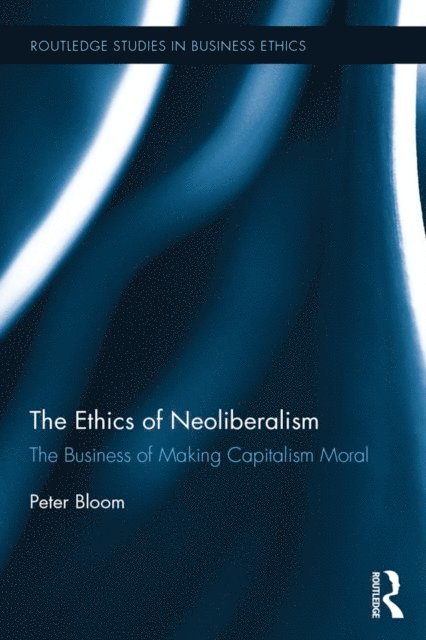
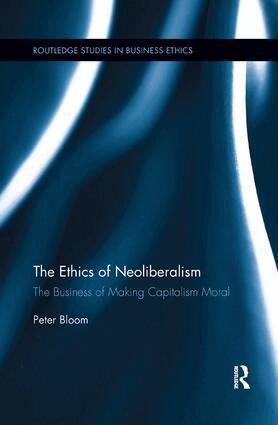
The 21st century is the age of "neo-liberalism" – a time when the free market is spreading to all areas of economic, political and social life. Yet how is this changing our individual and collective ethics? Is capitalism also becoming our new morality? From the growing popular demand for corporate social responsibility to personal desire for "work-life balance" it would appear that non-market ideals are not only surviving but also thriving. Why then does it seem that capitalism remains as strong as ever?
The Ethics of Neoliberalism boldly proposes that neoliberalism strategically co-opts traditional ethics to ideologically and structurally strengthen capitalism. It produces "the ethical capitalist subject" who is personally responsible for making their society, workplace and even their lives "more ethical" in the face of an immoral but seemingly permanent free market.
Rather than altering our morality, neoliberalism "individualizes" ethics, making us personally responsible for dealing with and resolving its moral failings. In doing so, individuals end up perpetuating the very market system that they morally oppose and feel powerless to ultimately change.
This analysis reveals the complex and paradoxical way capitalism is currently shaping us as "ethical subjects". People are increasingly asked to ethically "save" capitalism both collectively and personally. This can range from the "moral responsibility" to politically accept austerity following the financial crisis to the willingness of employees to sacrifice their time and energy to make their neoliberal organizations more "humane" to the efforts by individuals to contribute to their family and communities despite the pressures of a franetic global business environment. Neoliberalism, thus, uses our ethics against us, relying on our "good nature" and sense of personal responsibility to reduce its human cost in practice. Ironically

949 kr
Läs direkt efter köp
The 21st century is the age of "neo-liberalism" – a time when the free market is spreading to all areas of economic, political and social life. Yet how is this changing our individual and collective ethics? Is capitalism also becoming our new morality? From the growing popular demand for corporate social responsibility to personal desire for "work-life balance" it would appear that non-market ideals are not only surviving but also thriving. Why then does it seem that capitalism remains as strong as ever?
The Ethics of Neoliberalism boldly proposes that neoliberalism strategically co-opts traditional ethics to ideologically and structurally strengthen capitalism. It produces "the ethical capitalist subject" who is personally responsible for making their society, workplace and even their lives "more ethical" in the face of an immoral but seemingly permanent free market.
Rather than altering our morality, neoliberalism "individualizes" ethics, making us personally responsible for dealing with and resolving its moral failings. In doing so, individuals end up perpetuating the very market system that they morally oppose and feel powerless to ultimately change.
This analysis reveals the complex and paradoxical way capitalism is currently shaping us as "ethical subjects". People are increasingly asked to ethically "save" capitalism both collectively and personally. This can range from the "moral responsibility" to politically accept austerity following the financial crisis to the willingness of employees to sacrifice their time and energy to make their neoliberal organizations more "humane" to the efforts by individuals to contribute to their family and communities despite the pressures of a franetic global business environment. Neoliberalism, thus, uses our ethics against us, relying on our "good nature" and sense of personal responsibility to reduce its human cost in practice. Ironically

1 277 kr
Skickas
332 kr
Skickas
1 143 kr
Skickas inom 3-6 vardagar
712 kr
Läs direkt efter köp
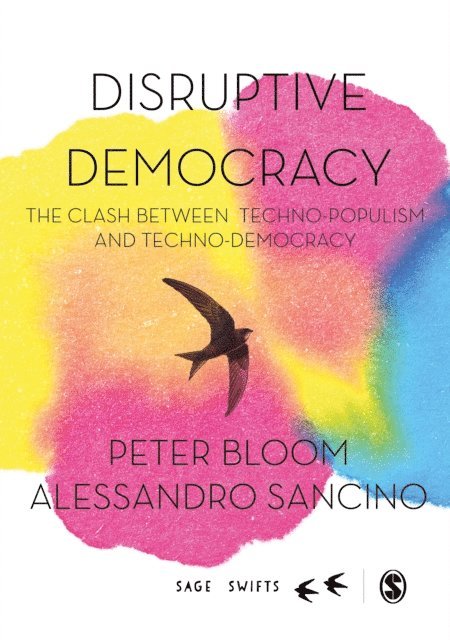
Do new "smart" technologies such as AI, robotics, social media, and automation threaten to disrupt our society? Or does technological innovation hold the potential to transform our democracies and civic societies, creating ones that are more egalitarian and accountable?
Disruptive Democracy explores these questions and examines how technology has the power to reshape our civic participation, our economic and political governance, and our entire existence. In this innovative study, the authors use international examples such as Trump’s America, and Bolsonaro’s recent election as President of Brazil, to lead the discussion on perhaps the most profound political struggle of the 21st century, the coming clash between a progressive "Techno-democracy" and a regressive "Techno-populism".
1 274 kr
Skickas inom 7-10 vardagar
145 kr
Skickas
401 kr
Skickas inom 7-10 vardagar
1 427 kr
Skickas inom 10-15 vardagar
1 345 kr
Skickas inom 10-15 vardagar
From Early Recognition to Lasting Renown
542 kr
Skickas inom 7-10 vardagar
1 854 kr
Skickas inom 10-15 vardagar
632 kr
Skickas inom 10-15 vardagar
686 kr
Läs direkt efter köp