1 427 kr
Läs direkt efter köp
1 427 kr
Läs direkt efter köp
963 kr
Skickas inom 10-15 vardagar
3 102 kr
Skickas inom 10-15 vardagar
1 186 kr
Skickas inom 10-15 vardagar
1 685 kr
Skickas inom 10-15 vardagar
2 515 kr
Skickas inom 10-15 vardagar
751 kr
Skickas inom 10-15 vardagar
1 067 kr
Läs direkt efter köp
1 091 kr
Läs direkt efter köp
1 355 kr
Läs direkt efter köp
1 385 kr
Läs direkt efter köp
3 102 kr
Skickas inom 10-15 vardagar
572 kr
Skickas inom 10-15 vardagar
2 223 kr
Skickas inom 10-15 vardagar
883 kr
Läs direkt efter köp
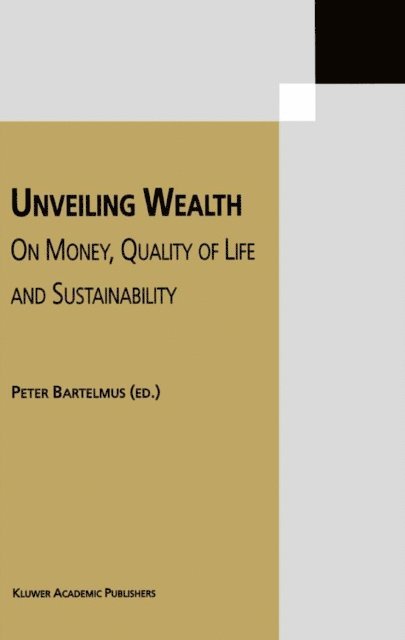
This book explores what is needed for an overall evaluation of the prosperity and wellbeing of people within a framework of sustaining the economy, environment and development.
The book begins by assessing the validity of available data, indicators and indices in decision and policy making. It describes what the data tell us about the effects of economic activity on the quality of life and prosperity of people and nations, now and in the future, and highlights how a reliance on partial and distorted information can thwart rational policies. It also examines whether less tangible notions of wellbeing and happiness lend themselves to quantification and prediction. Overall, Bartelmus demonstrates the need for integrated accounting and analysis to revise policy priorities around environmental, social, economic and sustainability concerns.
Confronting the persisting polarization of environmentalists and economists, this book will be of great relevance to students, scholars and professionals with an interest in environmental and ecological economics, sustainability indicators and their use in integrative policy.
1 022 kr
Läs direkt efter köp
This title was first published in 2003. Our cherished economic indicators of income, product, consumption and capital fail in taking a long-term view of social progress. They do not account for environmental deterioration, which impairs the quality of life of present and future generations, and hence the sustainability of development. "Greening" the conventional national (and corporate) accounts introduces environmental impacts and costs into these accounts and balances. The result is a new compass for steering the economy towards sustainability, which may change not only our main measures of economic performance but also the basic tenets of environmental and resource policies. This book presents methodological advances and case studies of environmental accounting, and discusses their use in environmental management and policies. In their introduction, the editors provide a critical perspective of historical developments and current debates.
989 kr
Läs direkt efter köp
This title was first published in 2003. Our cherished economic indicators of income, product, consumption and capital fail in taking a long-term view of social progress. They do not account for environmental deterioration, which impairs the quality of life of present and future generations, and hence the sustainability of development. "Greening" the conventional national (and corporate) accounts introduces environmental impacts and costs into these accounts and balances. The result is a new compass for steering the economy towards sustainability, which may change not only our main measures of economic performance but also the basic tenets of environmental and resource policies. This book presents methodological advances and case studies of environmental accounting, and discusses their use in environmental management and policies. In their introduction, the editors provide a critical perspective of historical developments and current debates.
1 090 kr
Skickas inom 10-15 vardagar
1 123 kr
Skickas inom 10-15 vardagar
1 467 kr
Läs direkt efter köp
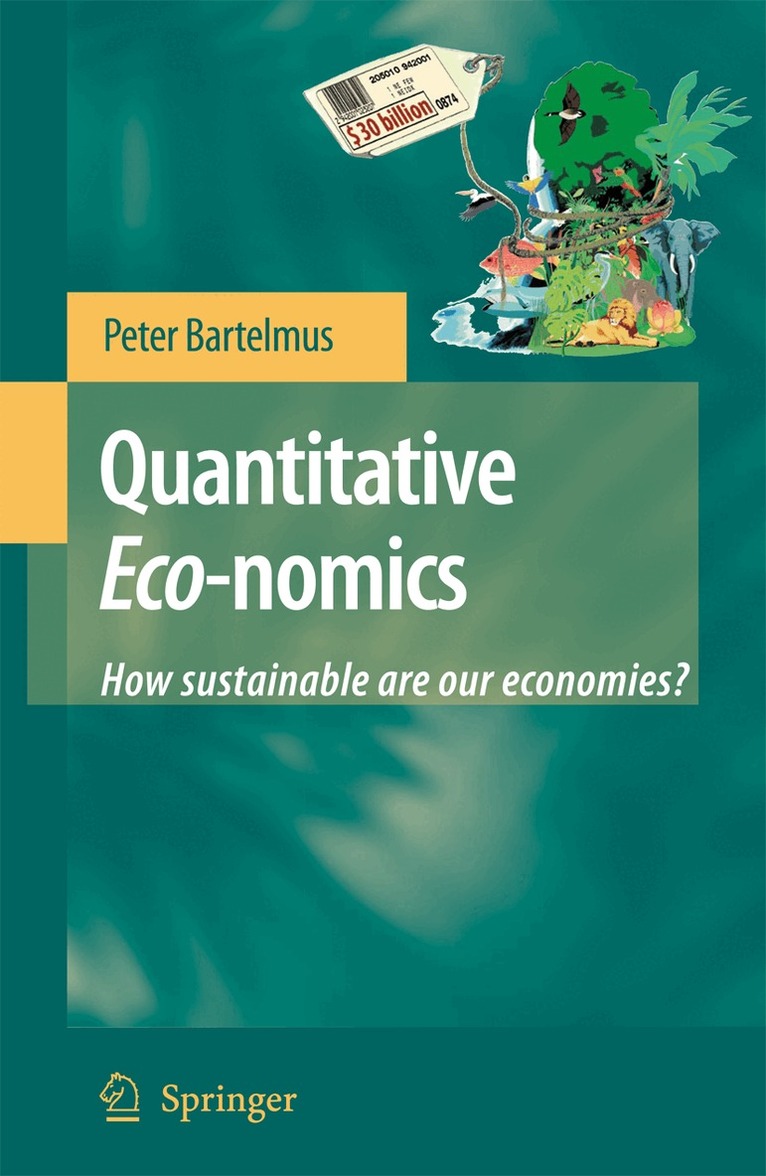
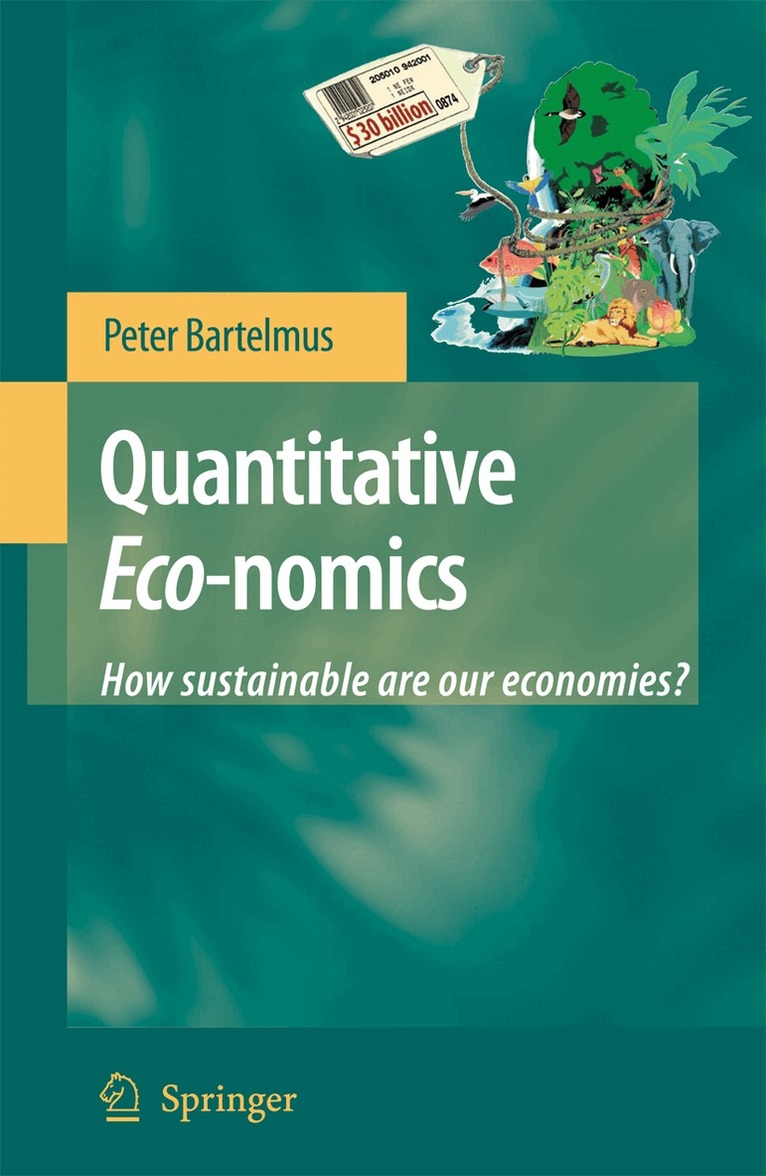
“Quantitative Eco-nomics” cuts through the fog of vision and advocacy by comparing and applying new quantitative tools of both environmental and ecological economics. Environmental accounts and empirical analyses provide operational concepts and measures of the sustainability of economic performance and growth. They facilitate rational and compatible environmental and economic policies.
This thought-provoking text raises doubts, however, about the measurability of sustainable development. Has the paradigm run its course? The answer is a guarded ‘yes’ – guarded because the concept still carries considerable environmental goodwill. At the same time the opaque concept fosters contradictory policy advice, or worse, inaction. Do we need zero- or accelerated economic growth? Should we reduce conspicuous consumption or enjoy spending as we see fit? Will rules and regulation or adjusted markets prevent environmental disaster?
322 kr
Skickas inom 10-15 vardagar
224 kr
Läs direkt efter köp
1 693 kr
Skickas inom 10-15 vardagar
1 098 kr
Skickas inom 10-15 vardagar
1 098 kr
Skickas inom 10-15 vardagar
2 174 kr
Läs direkt efter köp