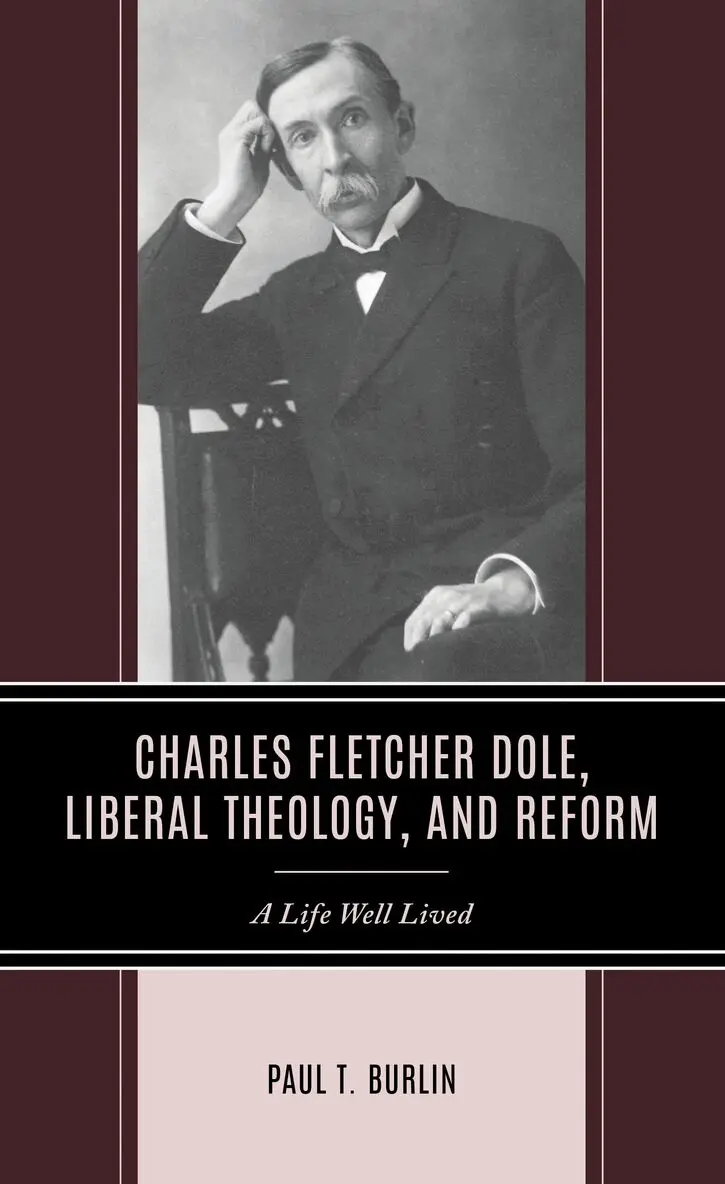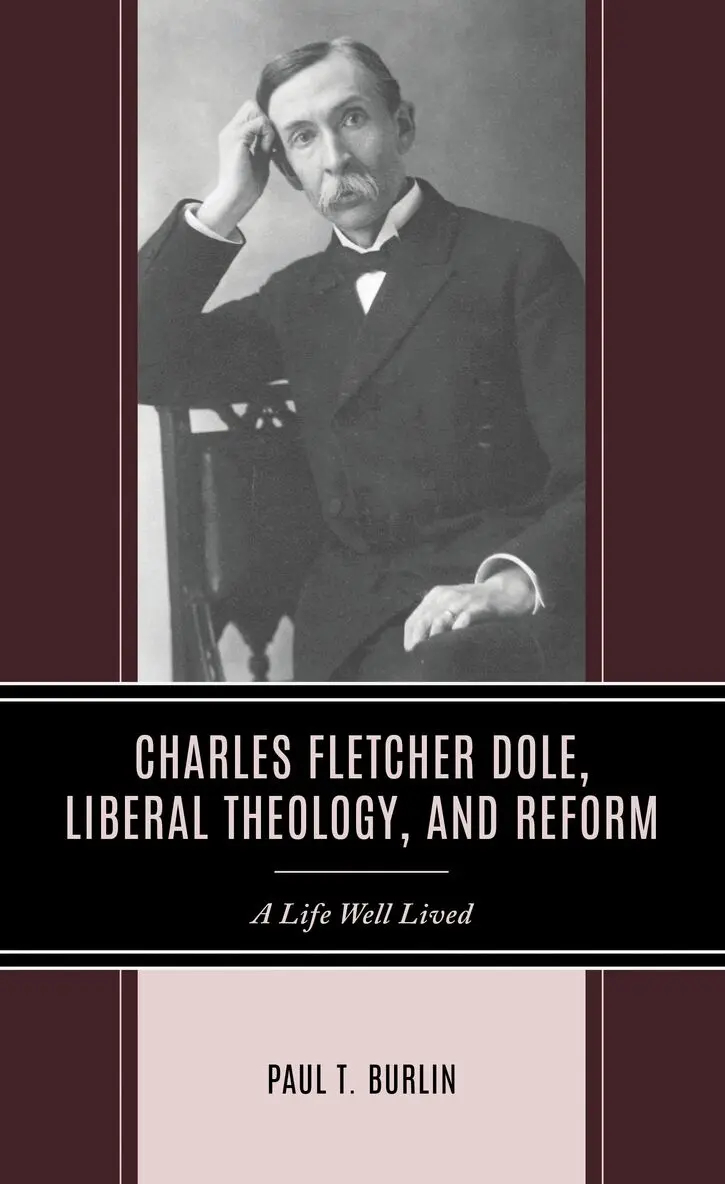
This book offers a historical look at the life and theology of Charles Fletcher Dole. Dole was born into what he described as an “ultra-orthodox” religious family. He was unable to accept the severe, quasi-Calvinist theology of his relatives, and when he attended Harvard College, he was influenced by the intellectual currents set in motion by Darwinism. He then tacked off to the radical wing of Unitarian theology. It was incumbent on the faithful—of any religious tradition—to live in ways that helped further the divine plan. This moral imperative prompted Dole, as the long-term minister in the Unitarian Church to advocate for reforms not unlike those of his parents and other relatives, including temperance, women’s suffrage, improved race relations, anti-imperialism and pacifism. This historical recovery and interpretation of Dole argues that while Dole’s radical theology was the source of his civic engagement, his iteration of the social gospel was to some extent also shaped and delimited by the socio-economic position he occupied.
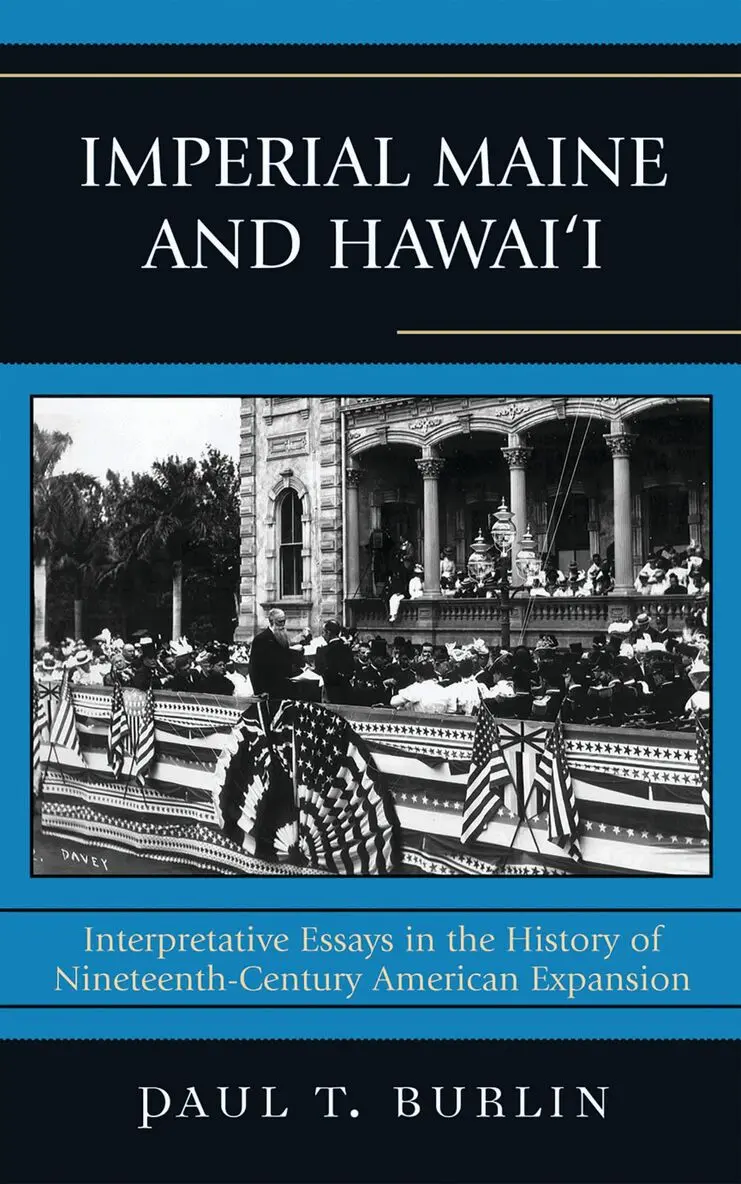
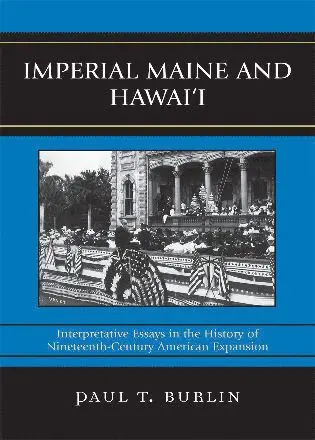
With Imperial Maine and Hawai'i author Paul Burlin attempts to analyze and elucidate some of the major themes, issues, and currents that formed 19th century American expansion in the Pacific. While the method used is a discussion of the lives and activities of individual Maine residents who were either living in Hawai'i or simply dealing regularly with the archipelago, the book is not a mere work of state history. Rather, the individual players are used as a proxy to discuss the larger issues involved with American imperialism.Burlin explores the shared relationship between Maine and Hawai'i between 1830 and annexation in 1898, devoting chapters to subjects such as religion, commerce, politics, and policy, both foreign and domestic. Using the personal histories of different players in the formation of the state, this study analyzes the major issues involved in American expansion during the period. Questions of self-interest, ideology, geopolitics, and economic forces are brought to the surface and scrutinized. Through his careful consideration, Burlin exposes the complexity and ambiguity of motive and action as the American relationship with Hawai'i evolved over the last two-thirds of the century.
Charles Fletcher Dole, Liberal Theology, and Reform: A Life Well-Lived is a historical look at the life and theology of Charles Fletcher Dole. Dole was born into what he described as an “ultra-orthodox” religious family. He was unable to accept the severe, quasi-Calvinist theology of his relatives, and when he attended Harvard College, he was influenced by the intellectual currents set in motion by Darwinism. He then tacked off to the radical wing of Unitarian theology. It was incumbent on the faithful—of any religious tradition—to live in ways that helped further the divine plan. This moral imperative prompted Dole, as the long-term minister in the Unitarian Church to advocate for reforms not unlike those of his parents and other relatives, including temperance, women’s suffrage, improved race relations, anti-imperialism and pacifism. This historical recovery and interpretation of Dole argues that while Dole’s radical theology was the source of his civic engagement, his iteration of the social gospel was to some extent also shaped and delimited by the socio-economic position he occupied.