801 kr
Skickas inom 7-10 vardagar
801 kr
Skickas inom 7-10 vardagar
283 kr
Skickas
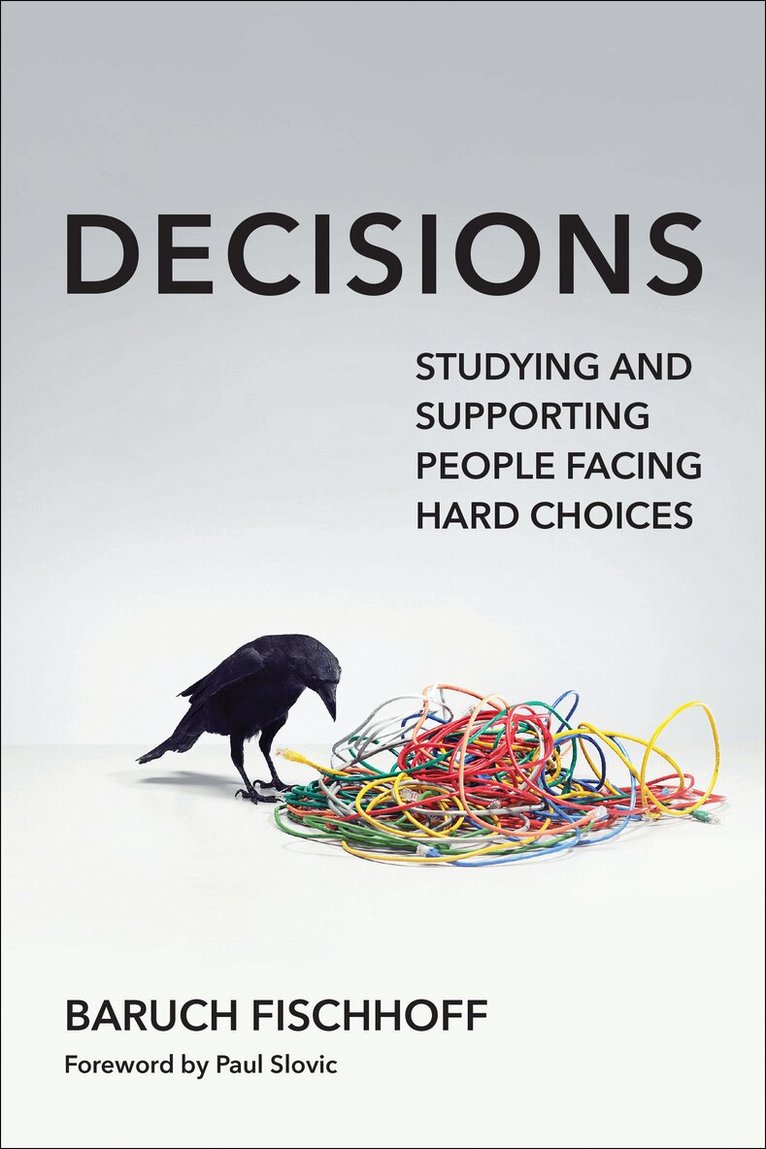
Should decisions be based on knowledge, defined—as Plato proposed—as true and justified beliefs? In a multicultural society there are frequently different and diverging views about what we know. Our choices are influenced by the alternatives we see, how they are described, and how we suppose that their consequences will affect us and our descendants. If we want to be able to predict preferences, we need to understand the importance of how the problems are presented and how our minds work.
The idea that the rational individual maximizes his or her expected utility when making a decision—derived from Frank Ramsey’s essay ‘Truth and probability’, published in 1931—is an important point of departure in this collection of essays. It comprises case studies of difficult decision-making when faced with challenges, such as nuclear strategy, the climate crisis and care of extremely preterm-born children, as well as perspectives on philosophical issues raised by making rational decisions.
829 kr
Skickas inom 10-15 vardagar
819 kr
Skickas inom 10-15 vardagar
481 kr
Skickas
695 kr
Skickas inom 7-10 vardagar
885 kr
Skickas inom 7-10 vardagar
1 005 kr
Skickas inom 7-10 vardagar
2 184 kr
Skickas inom 7-10 vardagar
1 804 kr
Skickas inom 7-10 vardagar
2 371 kr
Skickas inom 3-6 vardagar
1 529 kr
Skickas inom 3-6 vardagar
792 kr
Läs direkt efter köp
775 kr
Läs direkt efter köp
892 kr
Läs direkt efter köp
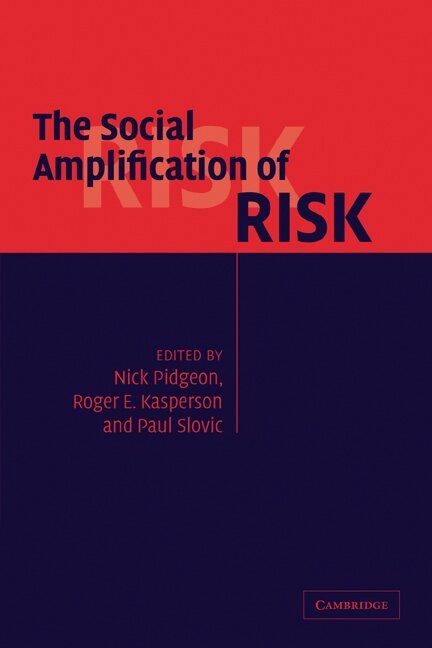
The benefits of modern technology often involve health, safety and environmental risks that produce public suspicion of technologies and aversion to certain products and substances. Amplified by the pervasive power of the media, public concern about health and ecological risks can have enormous economic and social impacts, such as the ''stigmatization'' experienced in recent years with nuclear power, British beef and genetically modified plants.
This volume presents the most current and comprehensive examination of how and why stigma occurs and what the appropriate responses to it should be to inform the public and reduce undesirable impacts. Each form of stigma is thoroughly explored through a range of case studies. Theoretical contributions look at the roles played by government and business, and the crucial impact of the media in forming public attitudes. Stigma is not always misplaced, and the authors discuss the challenges involved in managing risk and reducing the vulnerability of important products, industries and institutions while providing the public with the relevant information they need about risks.
997 kr
Läs direkt efter köp
The Feeling of Risk brings together the work of Paul Slovic, one of the world''s leading analysts of risk, to describe the extension of risk perception research into the first decade of this new century.
In this collection of important works, Paul Slovic explores the conception of ''risk as feelings'' and examines the interaction of feeling and cognition in the perception of risk. He also examines the elements of knowledge, cognitive skill, and communication necessary for good decisions in the face of risk.
The first section of the book looks at the difficulty of understanding risk without an emotional component, for example that disaster statistics lack emotion and thus fail to convey the true meaning of disasters and fail to motivate proper action to prevent them. The book also highlights other important perspectives on risk arising from cultural worldviews and concerns about specific hazards pertaining to blood transfusion, biotechnology, prescription drugs, smoking, terrorism, and nanotechnology.
Following on from The Perception of Risk (2000), this book presents some of the most significant research on risk perception in recent years, providing essential lessons for all those involved in risk perception and communication.
2 489 kr
Skickas inom 10-15 vardagar
725 kr
Läs direkt efter köp
735 kr
Läs direkt efter köp
2 444 kr
Skickas inom 10-15 vardagar
3 053 kr
Skickas inom 10-15 vardagar
645 kr
Skickas inom 10-15 vardagar
264 kr
Tillfälligt slut