1 047 kr
Skickas inom 10-15 vardagar
1 047 kr
Skickas inom 10-15 vardagar
478 kr
Skickas inom 7-10 vardagar
1 784 kr
Läs direkt efter köp
Choice Outstanding Academic Title 2024!
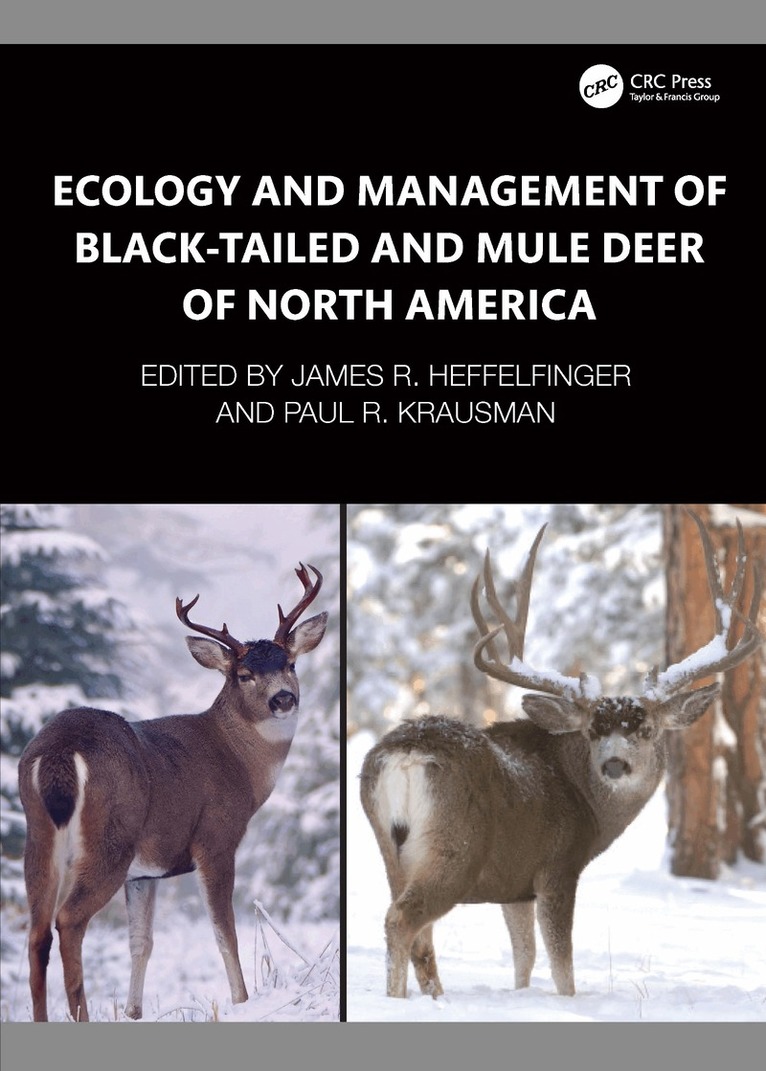
Black-tailed and mule deer represent one of the largest distributions of mammals in North America and are symbols of the wide-open American West. Each chapter in this book was authored by the world’s leading experts on that topic. Both editors, James R. Heffelfinger and Paul R. Krausman, are widely published in the popular and scientific press and recipients of the O. C. Wallmo Award, given every two years to a leading black-tailed and mule deer expert who has made significant contributions to the conservation of this species. In addition, Heffelfinger has chaired the Mule Deer Working Group sponsored by the Western Association of Fish and Wildlife Agencies for more than 15 years. This working group consists of the leading black-tailed and mule deer experts from each of 24 states, provinces, and territories in western North America, putting them at the forefront of all conservation and much of the research on this species.
The book represents all current knowledge available on these deer, including how changing conditions such as fires, habitat alteration and loss, disease, climate change, socio-economic forces, energy development, and other aspects are influencing their distribution and abundance now and into the future. It takes a completely fresh look at all chapter topics. The revisions of distribution, taxonomy, evolution, behavior, and new and exciting work being done in deer nutrition, migration and movements, diseases, predation, and human dimensions are all assembled in this volume.
This book will instantly become the foundation for the latest information and management strategies to be implemented on the ground by practitioners and to inform the public. Although this book is about deer, the topics discussed influence most terrestrial wildlife worldwide, and the basic concepts in many of the chapters are applicable to other species.
2 136 kr
Skickas inom 10-15 vardagar
3 161 kr
Skickas inom 10-15 vardagar
848 kr
Skickas inom 10-15 vardagar
1 203 kr
Läs direkt efter köp
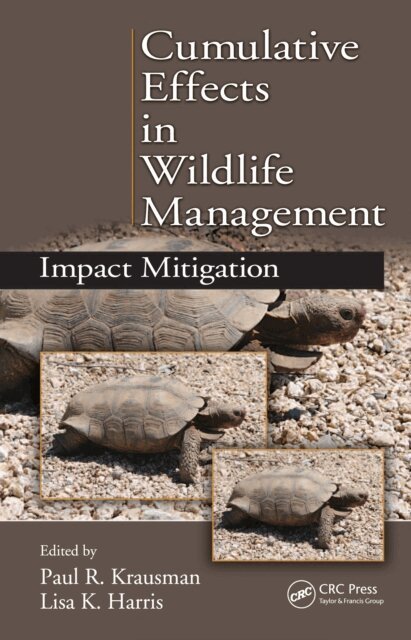
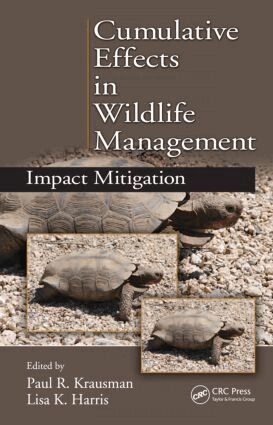
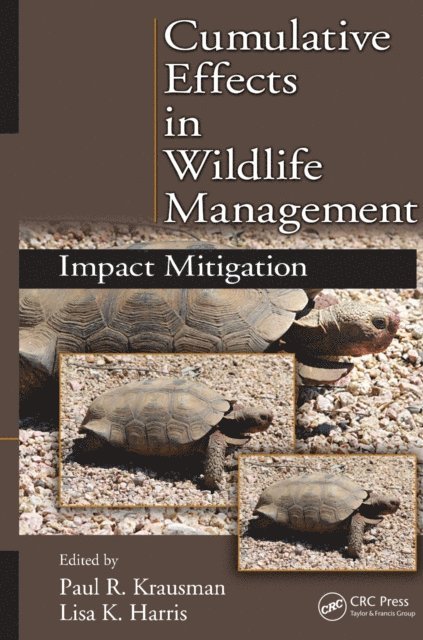
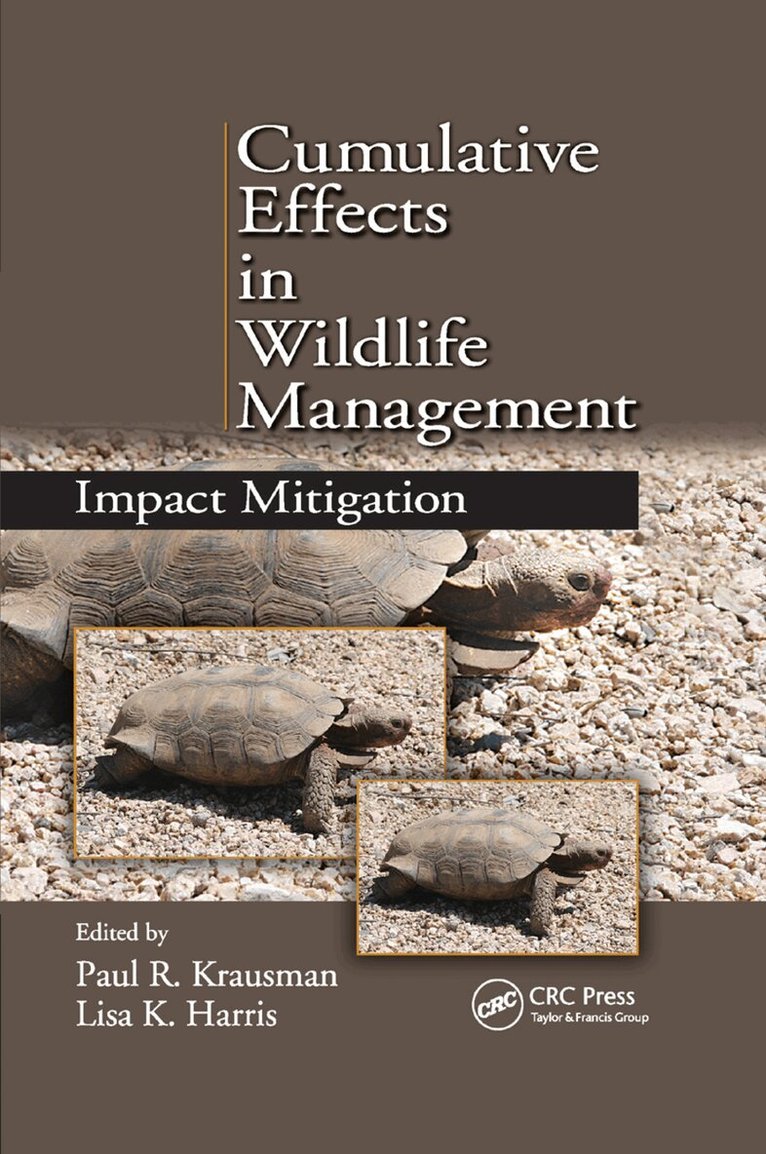
As humans continue to encroach on wildlands, quality and quantity of wildlife habitat decreases before our eyes. A housing development here, a shopping mall there, a few more trees cut here, another road put in there, each of these diminishes available habitat. Unless the cumulative effects of multiple simultaneous development projects are recognized and incorporated at the beginning of project development, we will continue to see wildlife habitat disappear at unprecedented rates.
Divided into two parts, Cumulative Effects in Wildlife Management emphasizes the importance of recognizing cumulative effects and highlights the necessity of their bearing on future policy. It begins with an outline of the differences between direct, indirect, and cumulative effects of anthropogenic impacts on wildlife habitat and addresses the similarities and differences in US and Canadian policies, legal and economic ramifications, and the confusion that stems from lack of consideration, communication, and forward planning. Section 1 also describes the current standard means of quantifying cumulative effects as proposed by the Council on Environmental Quality.
Section 2 presents a series of case studies that deepen our appreciation of how anthropogenic influences interconnect and how this heightened level of understanding influences our ability to make informed decisions. Case studies include cumulative effects in the Canadian Arctic, border issues with Mexico, suburban and exurban landscapes, scenic resources, and the cumulative impacts of energy development on sage-grouse.
Without a conscious knowledge of what is happening around us, we will not be able to incorporate an effective land ethic, and natural resources will be the ultimate loser. Cumulative Effects in Wildlife Management brings to light the crucial connections between human expansion and habitat destruction.
886 kr
Läs direkt efter köp
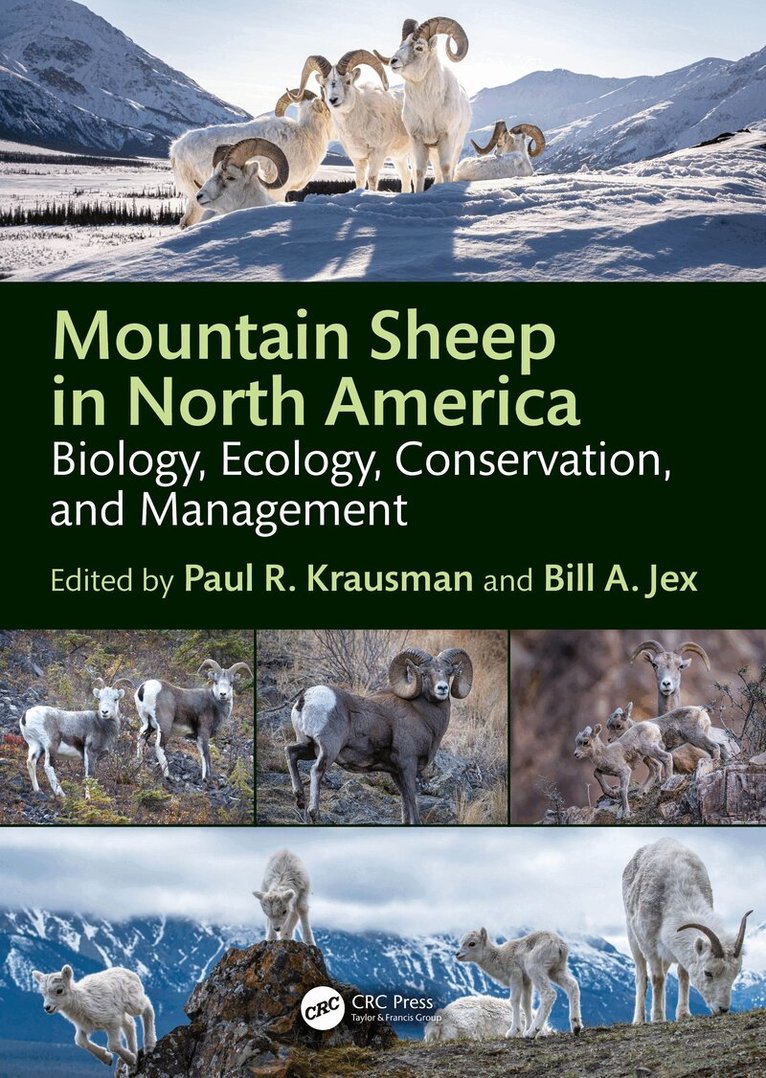
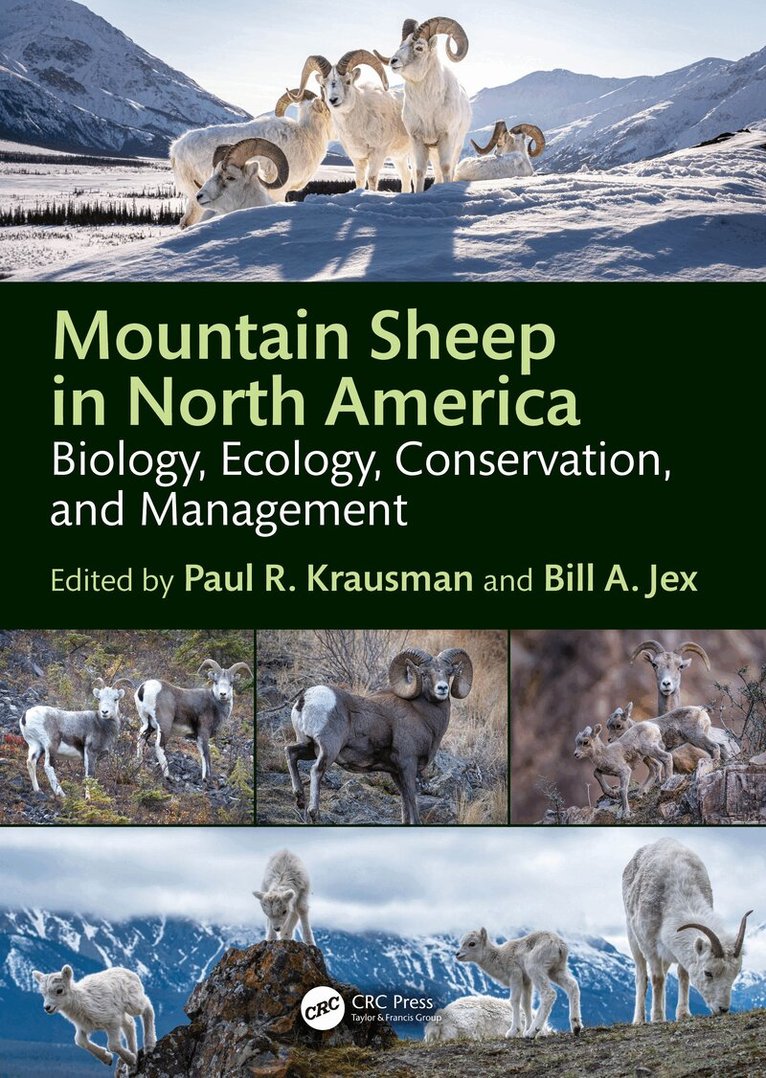
Mountain Sheep in North America: Biology, Ecology, Conservation, and Management provides a detailed account of bighorn and thinhorn sheep across their geographic ranges from Alaska and Canada to Mexico. This book examines all aspects of the sheep life history including activity patterns; biology; conservation; diet; ecology; genetics; habitat requirements; health and disease; historical perspectives; management approaches; predation; competition with other species; natural history; social behavior; taxonomy; the changing role of agency, Indigenous, and conservation stakeholders; and the considerations for future management actions, opportunities, and conservation risks.
The book describes advancements in new technologies supported by current science, disproving some long-held assumptions about the species and their ecology, making it the most comprehensive source of information about mountain sheep in North America today. It offers the reader a better understanding of the management of mountain sheep, and the numerous challenges of a developing world including anthropogenic influences, altered habitats, species assemblages, and changing climates. Each chapter is written by internationally recognized experts and practicing mountain sheep managers from agencies and academia. New research is presented within broader shifts in conservation policy and funding, helping readers understand the practical implications of evolving science in real-world situations and offering wisdom that will help them create positive conservation outcomes for mountain sheep.
This is an essential text for students of wildlife, early-career and experienced biologists, managers, policy- and decision-makers, administrators, and anyone interested in mountain sheep in our world today, including those who are simply passionate about them. This book will provide even the most knowledgeable mountain sheep enthusiast with an improved understanding of this magnificent wildlife resource.
783 kr
Skickas inom 7-10 vardagar
1 212 kr
Skickas inom 7-10 vardagar
739 kr
Skickas inom 7-10 vardagar
1 148 kr
Skickas inom 7-10 vardagar
3 083 kr
Skickas inom 10-15 vardagar
1 230 kr
Läs direkt efter köp
As humans continue to encroach on wildlands, quality and quantity of wildlife habitat decreases before our eyes. A housing development here, a shopping mall there, a few more trees cut here, another road put in there, each of these diminishes available habitat. Unless the cumulative effects of multiple simultaneous development projects are recognized and incorporated at the beginning of project development, we will continue to see wildlife habitat disappear at unprecedented rates.
Divided into two parts, Cumulative Effects in Wildlife Management emphasizes the importance of recognizing cumulative effects and highlights the necessity of their bearing on future policy. It begins with an outline of the differences between direct, indirect, and cumulative effects of anthropogenic impacts on wildlife habitat and addresses the similarities and differences in US and Canadian policies, legal and economic ramifications, and the confusion that stems from lack of consideration, communication, and forward planning. Section 1 also describes the current standard means of quantifying cumulative effects as proposed by the Council on Environmental Quality.
Section 2 presents a series of case studies that deepen our appreciation of how anthropogenic influences interconnect and how this heightened level of understanding influences our ability to make informed decisions. Case studies include cumulative effects in the Canadian Arctic, border issues with Mexico, suburban and exurban landscapes, scenic resources, and the cumulative impacts of energy development on sage-grouse.
Without a conscious knowledge of what is happening around us, we will not be able to incorporate an effective land ethic, and natural resources will be the ultimate loser. Cumulative Effects in Wildlife Management brings to light the crucial connections between human expansion and habitat destruction.
758 kr
Tillfälligt slut
828 kr
Tillfälligt slut
489 kr
Tillfälligt slut
890 kr
Tillfälligt slut