154 kr
Skickas inom 7-10 vardagar
154 kr
Skickas inom 7-10 vardagar
249 kr
Skickas inom 3-6 vardagar
241 kr
Skickas inom 7-10 vardagar
1 244 kr
Skickas inom 10-15 vardagar
189 kr
Läs direkt efter köp
205 kr
Läs direkt efter köp
2 602 kr
Skickas inom 10-15 vardagar
283 kr
Skickas inom 3-6 vardagar
305 kr
Skickas inom 3-6 vardagar
174 kr
Läs direkt efter köp
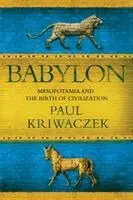
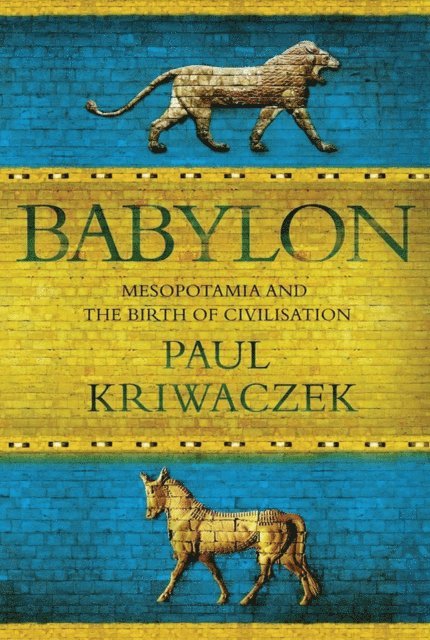
Civilization was born eight thousand years ago, between the floodplains of the Tigris and Euphrates rivers, when migrants from the surrounding mountains and deserts began to create increasingly sophisticated urban societies. In the cities that they built, half of human history took place. In Babylon, Paul Kriwaczek tells the story of Mesopotamia from the earliest settlements seven thousand years ago to the eclipse of Babylon in the sixth century BCE. Bringing the people of this land to life in vibrant detail, the author chronicles the rise and fall of power during this period and explores the political and social systems, as well as the technical and cultural innovations, which made this land extraordinary. At the heart of this book is the story of Babylon, which rose to prominence under the Amorite king Hammurabi from about 1800 BCE. Even as Babylon''s fortunes waxed and waned, it never lost its allure as the ancient world''s greatest city. Engaging and compelling, Babylon reveals the splendor of the ancient world that laid the foundation for civilization itself.
45 kr
Läs direkt efter köp
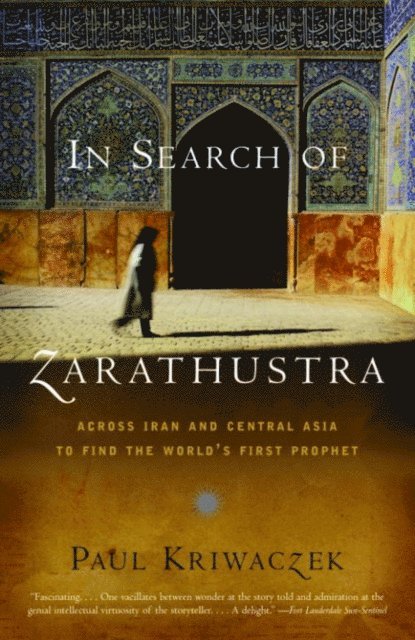
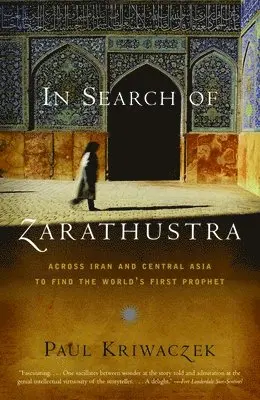
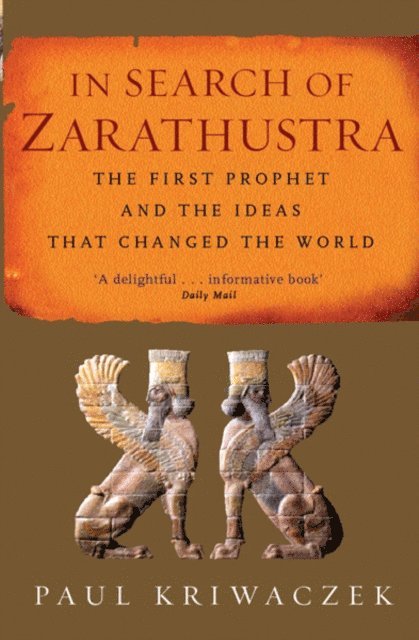
A quest to find the most influential religious teacher in the ancient world: Zarathustra.IN SEARCH OF ZARATHUSTRA is a quest to trace the influence of the prophet the Greeks called Zoroaster and considered the greatest religious legislator of the ancient world. Long before the first Hebrew temple, the birth of Christ or the mission of Muhammad, Zarathustra had taught of a single universal god, of the battle between Good and Evil, of the Devil, Heaven and Hell, and of an eventual end to the world. Over several decades, Paul Kriwaczek, an award-winning television producer, has cast his eye across Europe and Central Asia, from Hadrian''s Wall to the Oxus river, from the Pyrenees to the Hindu Kush. Passing via Nietzsche''s interpretation of Zarathustra for a post-religious age, the Cathars of 13th-century France, the Bulgars of 9th-century Balkans, and the prophet Mani''s revision of Zarathustra''s message in the later Persian empire, Paul Kriwaczek then explores the religion of Mithras - before going back past Alexander the Great''s destruction of the Persian Empire, and the era of the great Persian kings Cyrus and Darius in the 6th century BC, to the beginning of the first pre-Christian millennium.
45 kr
Läs direkt efter köp
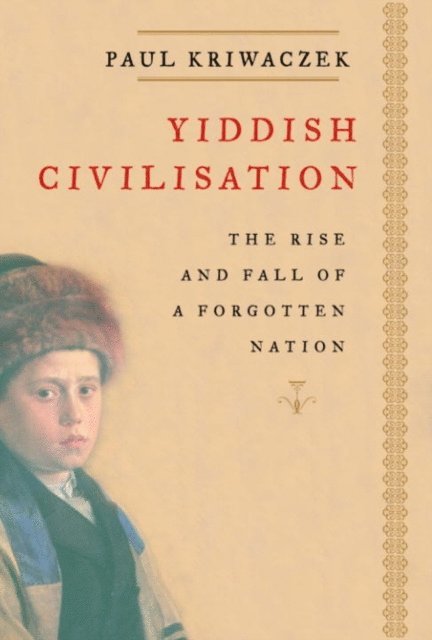
A portrait of a civilisation which flourished within living memory and left an indelible mark on history
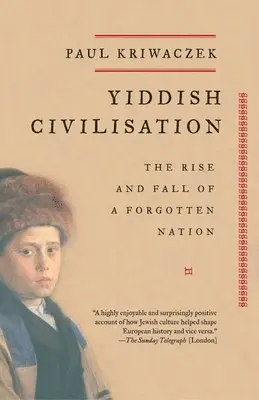
In the 13th century Yiddish language and culture began to spread from the Rhineland and Bavaria slowly east into Austria, Bohemia and Moravia, then to Poland and Lithuania and finally to western Russia and the Ukraine, becoming steadily less German and more Slav in the process. In its late-medieval heyday the culturally vibrant, economically successful, intellectually adventurous and largely self-ruling Yiddish society stretched from Riga on the Baltic down to Odessa on the Black Sea.
In the 1650s the Chmielnicki Massacres in the Ukraine by the Cossacks killed 100,000 Jews, forcing those that were left to spread out into the small towns (shtetls) and villages. The break-up of Poland-Lithuania - a safe haven for Jews in previous centuries - in the late 18th century further disrupted Yiddish society, as did the Russian anti-Jewish pogroms from the 1880s onwards, at the very time when Yiddish was producing a rich stream of plays, poems and novels.
Paul Kriwaczek describes the development, over the centuries, of Yiddish language, religion, occupations and social life, art, music and literature. The book ends by describing how the Yiddish way of life became one of the foundation stones of modern American, and therefore of world, culture.