553 kr
Skickas inom 7-10 vardagar
553 kr
Skickas inom 7-10 vardagar
165 kr
Skickas inom 7-10 vardagar
268 kr
Skickas inom 7-10 vardagar
256 kr
Skickas inom 7-10 vardagar
211 kr
Skickas inom 7-10 vardagar
171 kr
Skickas inom 7-10 vardagar
178 kr
Skickas inom 7-10 vardagar
274 kr
Skickas inom 7-10 vardagar
551 kr
Skickas inom 10-15 vardagar
178 kr
Skickas inom 7-10 vardagar
204 kr
Skickas inom 7-10 vardagar
314 kr
Läs direkt efter köp
292 kr
Skickas inom 7-10 vardagar
187 kr
Skickas inom 7-10 vardagar
241 kr
Skickas inom 7-10 vardagar
659 kr
Skickas inom 10-15 vardagar
171 kr
Skickas inom 7-10 vardagar
274 kr
Skickas inom 7-10 vardagar
178 kr
Skickas inom 7-10 vardagar
266 kr
Skickas inom 7-10 vardagar
930 kr
Skickas inom 10-15 vardagar
550 kr
Skickas inom 10-15 vardagar
882 kr
Skickas inom 10-15 vardagar
327 kr
Skickas inom 7-10 vardagar
237 kr
Läs direkt efter köp
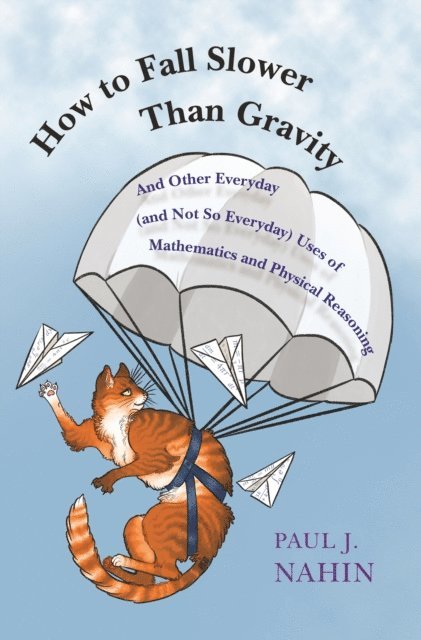
An engaging collection of intriguing problems that shows you how to think like a mathematical physicistPaul Nahin is a master at explaining odd phenomena through straightforward mathematics. In this collection of twenty-six intriguing problems, he explores how mathematical physicists think. Always entertaining, the problems range from ancient catapult conundrums to the puzzling physics of a very peculiar material called NASTYGLASS—and from dodging trucks to why raindrops fall slower than the rate of gravity. The questions raised may seem impossible to answer at first and may require an unexpected twist in reasoning, but sometimes their solutions are surprisingly simple. Nahin’s goal, however, is always to guide readers—who will need only to have studied advanced high school math and physics—in expanding their mathematical thinking to make sense of the curiosities of the physical world.The problems are in the first part of the book and the solutions are in the second, so that readers may challenge themselves to solve the questions on their own before looking at the explanations. The problems show how mathematics—including algebra, trigonometry, geometry, and calculus—can be united with physical laws to solve both real and theoretical problems. Historical anecdotes woven throughout the book bring alive the circumstances and people involved in some amazing discoveries and achievements.More than a puzzle book, this work will immerse you in the delights of scientific history while honing your math skills.
216 kr
Skickas inom 7-10 vardagar
171 kr
Skickas inom 7-10 vardagar
214 kr
Läs direkt efter köp
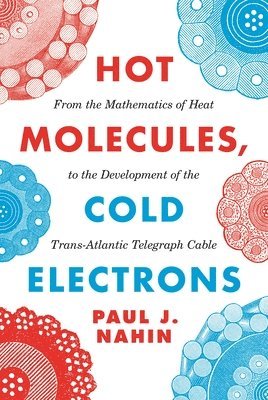
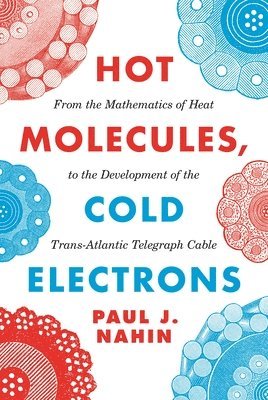
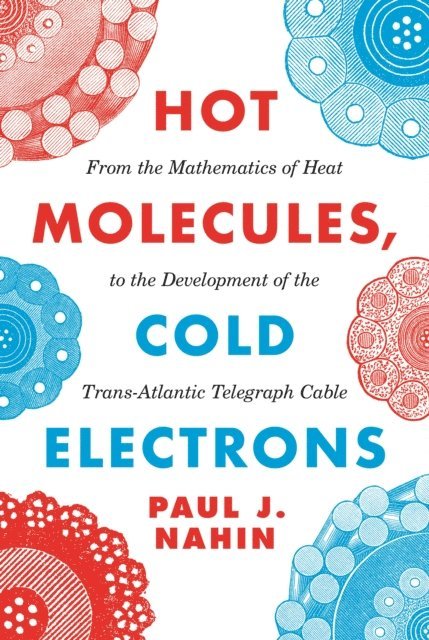
An entertaining mathematical exploration of the heat equation and its role in the triumphant development of the trans-Atlantic telegraph cableHeat, like gravity, shapes nearly every aspect of our world and universe, from how milk dissolves in coffee to how molten planets cool. The heat equation, a cornerstone of modern physics, demystifies such processes, painting a mathematical picture of the way heat diffuses through matter. Presenting the mathematics and history behind the heat equation, Hot Molecules, Cold Electrons tells the remarkable story of how this foundational idea brought about one of the greatest technological advancements of the modern era.Paul Nahin vividly recounts the heat equation’s tremendous influence on society, showing how French mathematical physicist Joseph Fourier discovered, derived, and solved the equation in the early nineteenth century. Nahin then follows Scottish physicist William Thomson, whose further analysis of Fourier’s explorations led to the pioneering trans-Atlantic telegraph cable. This feat of engineering reduced the time it took to send a message across the ocean from weeks to minutes. Readers also learn that Thomson used Fourier’s solutions to calculate the age of the earth, and, in a bit of colorful lore, that writer Charles Dickens relied on the trans-Atlantic cable to save himself from a career-damaging scandal. The book’s mathematical and scientific explorations can be easily understood by anyone with a basic knowledge of high school calculus and physics, and MATLAB code is included to aid readers who would like to solve the heat equation themselves.A testament to the intricate links between mathematics and physics, Hot Molecules, Cold Electrons offers a fascinating glimpse into the relationship between a formative equation and one of the most important developments in the history of human communication.

240 kr
Skickas inom 7-10 vardagar
227 kr
Läs direkt efter köp
A mathematical journey through the most fascinating problems of extremes and how to solve themWhat is the best way to photograph a speeding bullet? How can lost hikers find their way out of a forest? Why does light move through glass in the least amount of time possible? When Least Is Best combines the mathematical history of extrema with contemporary examples to answer these intriguing questions and more. Paul Nahin shows how life often works at the extremes—with values becoming as small (or as large) as possible—and he considers how mathematicians over the centuries, including Descartes, Fermat, and Kepler, have grappled with these problems of minima and maxima. Throughout, Nahin examines entertaining conundrums, such as how to build the shortest bridge possible between two towns, how to vary speed during a race, and how to make the perfect basketball shot. Moving from medieval writings and modern calculus to the field of optimization, the engaging and witty explorations of When Least Is Best will delight math enthusiasts everywhere.