This book presents the lived experiences of young people with cognitive disability and their struggles as they transition to adulthood. Whether you are a young person yourself looking to transition to adulthood, a parent, or a professional supporting a young person, this book will help you understand the systemic failures which have caused abuse, exploitation, neglect and violence. But it will also outline the inner and outer resources which have enabled young people to maintain their self-belief and overcome adversity. Despite the fact society is failing these young people, the young people in this book speak of belief and have hope for the future. Drawing upon the United Nations human rights framework, this book provides a narrative for empowerment and reform. It involves the input of co-researchers with disability and includes Easy English summaries in each chapter to ensure its accessibility to young people with cognitive disability.
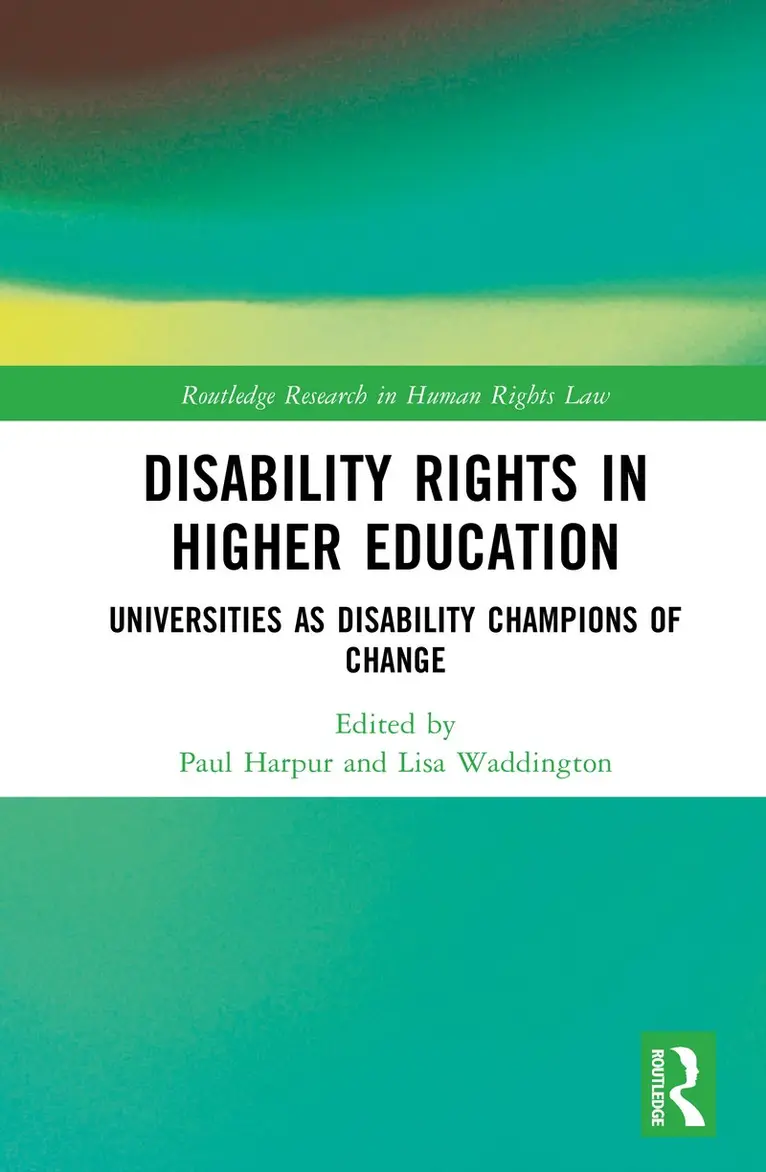
For decades regulators and universities have adopted options to support students and, to a lesser extent staff, with disabilities. Critically, the UN Convention on the Rights of Persons with Disabilities (CRPD) and the Sustainable Development Goals (SDGs) have swept in a new paradigm, transforming how higher education should approach students with disabilities, staff with disabilities, and research and innovation on disability. The obligations in the CRPD and SDGs have led to regulatory, policy, and practical reforms impacting on the higher education sector. This collection analyses how the new disability human rights paradigm impacts upon the higher education sector, how regulators and providers have responded, and presents workable solutions to enable universities, as well as the sector more broadly, to become disability champions of change. Divided into three parts, the first focuses upon conceptual foundations and institutional frameworks. Part II looks at institutional practice and tools for inclusion. Part III addresses intersectionality and student experiences. The three parts are arranged around key normative shifts. Some chapters adopt a traditional legal method, while other chapters analyse how States and higher education institutions are realising the potential for universities to be disability champions of change, as well as presenting workable solutions to further advance this agenda. Reflecting the global reach of this book, the chapters are authored by scholars from across the globe and deal with universities across all regions of the world. They also reflect the “nothing about us without us” paradigm. The two editors of the book, along with (the lead) author(s) on most chapters are scholars who openly live with a disability. The volume will be an invaluable resource for academics, researchers and policy-makers working in the areas of International Human Rights Law, Discrimination Law, Disability Rights and Higher Education Management.
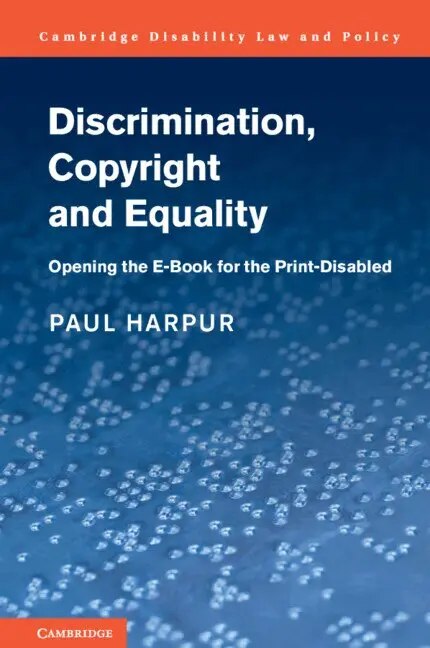
While equality laws operate to enable access to information, these laws have limited power over the overriding impact of market forces and copyright laws that focus on restricting access to information. Technology now creates opportunities for everyone in the world, regardless of their abilities or disabilities, to be able to access the written word - yet the print disabled are denied reading equality, and have their access to information limited by laws protecting the mainstream use and consumption of information. The Convention on the Rights of Persons with Disabilities and the World Intellectual Property Organization's Marrakesh Treaty have swept in a new legal paradigm. This book contributes to disability rights scholarship, and builds on ideas of digital equality and rights to access in its analysis of domestic disability anti-discrimination, civil rights, human rights, constitutional rights, copyright and other equality measures that promote and hinder reading equality.
While equality laws operate to enable access to information, these laws have limited power over the overriding impact of market forces and copyright laws that focus on restricting access to information. Technology now creates opportunities for everyone in the world, regardless of their abilities or disabilities, to be able to access the written word - yet the print disabled are denied reading equality, and have their access to information limited by laws protecting the mainstream use and consumption of information. The Convention on the Rights of Persons with Disabilities and the World Intellectual Property Organization's Marrakesh Treaty have swept in a new legal paradigm. This book contributes to disability rights scholarship, and builds on ideas of digital equality and rights to access in its analysis of domestic disability anti-discrimination, civil rights, human rights, constitutional rights, copyright and other equality measures that promote and hinder reading equality.