192 kr
Skickas
192 kr
Skickas
203 kr
Skickas
136 kr
Läs direkt efter köp
143 kr
Läs direkt efter köp
333 kr
Skickas inom 7-10 vardagar
1 677 kr
Skickas inom 7-10 vardagar
582 kr
Skickas inom 7-10 vardagar
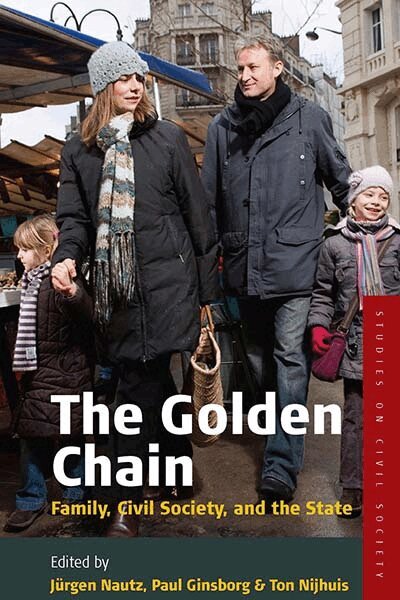
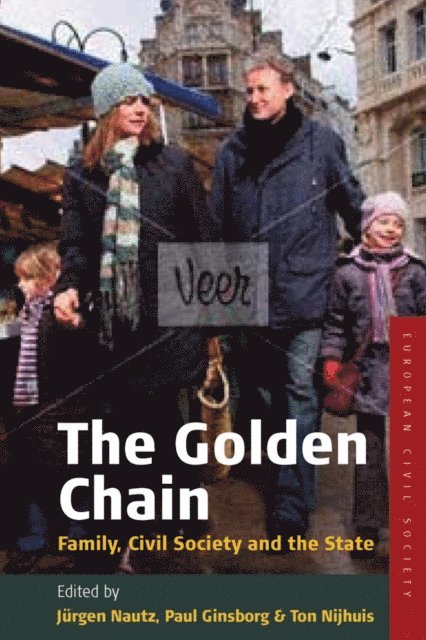
Family, Civil Society and the State
1 965 kr
Skickas inom 7-10 vardagar
333 kr
Läs direkt efter köp
The family can be viewed as one of the links in a “golden chain” connecting individuals, the private sphere, civil society, and the democratic state; as potentially an important source of energy for social activity; and as the primary institution that socializes and diffuses the values and norms that are of fundamental importance for civil society. Yet much of the literature on civil society pays very little attention to the complex relations between civil society and the family. These two spheres constitute a central element in democratic development and culture and form a counterweight to some of the most distressing aspects of modernity, such as the excessive privatization of home life and the unceasing work-and-spend routines. This volume offers historical perspectives on the role of families and their members in the processes of a liberal and democratic civil society, the question of boundaries and intersections of the private and public domains, and the interventions of state institutions.
416 kr
Skickas inom 3-6 vardagar
689 kr
Skickas inom 7-10 vardagar
230 kr
Skickas inom 7-10 vardagar
253 kr
Läs direkt efter köp
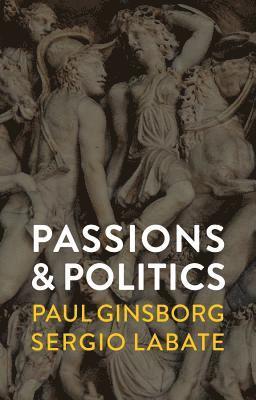
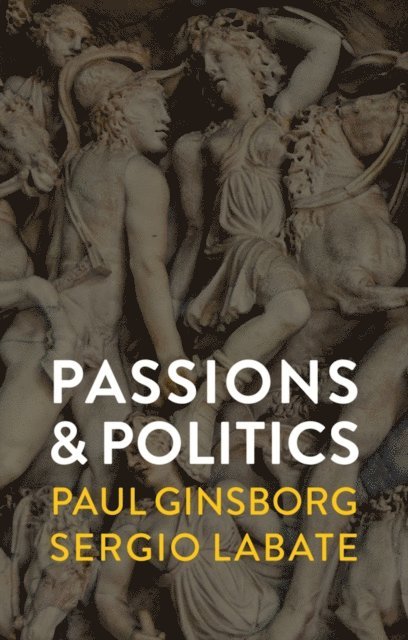
The dominant model of democratic politics emphasizes reason at the expense of the passions. Passions have been treated as dangerous, the opposite of reason and the enemy of virtue. Paul Ginsborg and Sergio Labate challenge this model and put forward a very different view, developing an account of modern democratic politics in which both passions and reason play a crucial role.
To do justice to the role of passions in politics, we must pay close attention to the way in which they circulate among us; then we must develop a suitable language to describe them – an ‘alphabet of the passions’ that enables us to understand how they combine with one another and connect with certain states of mind in order to shape political outcomes. Adopting this approach enables the authors to shed new light on one of the major phenomena of our time – the triumph of neoliberalism on a world scale. Neoliberalism has worked so well because it has incorporated its own romantic and individualist version of the passions into its worldview, seducing both individuals and families with the allure of consumption.
By developing a new model of democratic politics based on the interplay of passions and reason, Ginsborg and Labate provide a much needed framework for understanding the crucial role that passions play in the unfolding of political life. At a time when populist leaders are on the ascendancy and political processes are shaped as much by anger, resentment and fear as they are by reason and argument, this refocusing of political analysis on the role of the passions could not be more timely.

184 kr
Läs direkt efter köp
384 kr
Skickas inom 3-6 vardagar
142 kr
Läs direkt efter köp
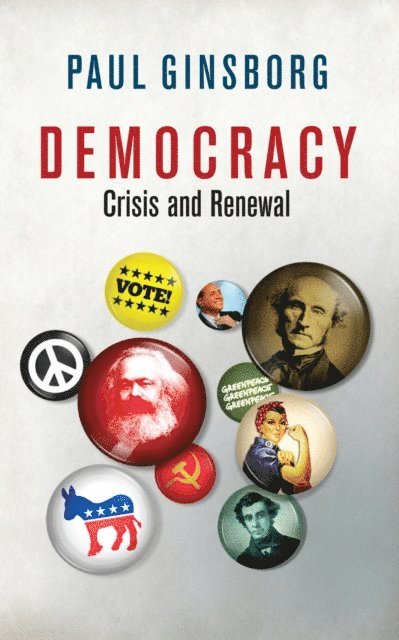
Political parties have lost swathes of members and effective power is ever more concentrated in the hands of their leaders. Behind these trends lie changing relationships between economics, the media and politics. Electoral spending has spiralled out of all control, with powerful economic interests exercising undue influence. The ''level playing field'', on which democracy''s contests have supposedly been fought, has become ever more sloping and uneven. In many ''democratic'' countries media coverage, especially that of television, is heavily biased. Electors become viewers and active participation gives way to mass passivity. Can things change? By going back to the roots of democracy and examining the relationship between representative and participatory democracy, political historian Paul Ginsborg shows that they can and must.
254 kr
Tillfälligt slut