838 kr
Skickas inom 7-10 vardagar
838 kr
Skickas inom 7-10 vardagar
1 552 kr
Läs direkt efter köp
2 058 kr
Läs direkt efter köp
2 044 kr
Läs direkt efter köp
3 083 kr
Skickas inom 7-10 vardagar
2 941 kr
Skickas inom 7-10 vardagar
649 kr
Skickas inom 7-10 vardagar
1 928 kr
Skickas inom 7-10 vardagar
1 498 kr
Skickas inom 7-10 vardagar
3 911 kr
Skickas inom 10-15 vardagar
1 610 kr
Skickas inom 10-15 vardagar
792 kr
Skickas inom 10-15 vardagar
618 kr
Läs direkt efter köp
624 kr
Läs direkt efter köp
513 kr
Läs direkt efter köp
530 kr
Läs direkt efter köp
907 kr
Läs direkt efter köp
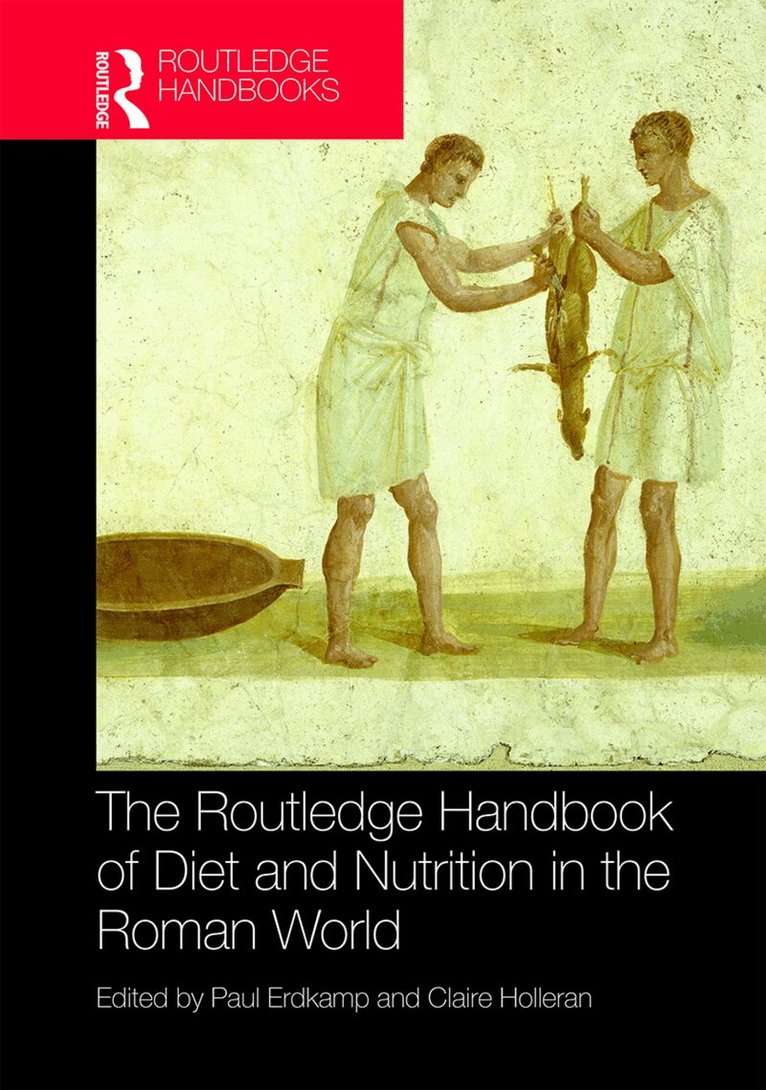
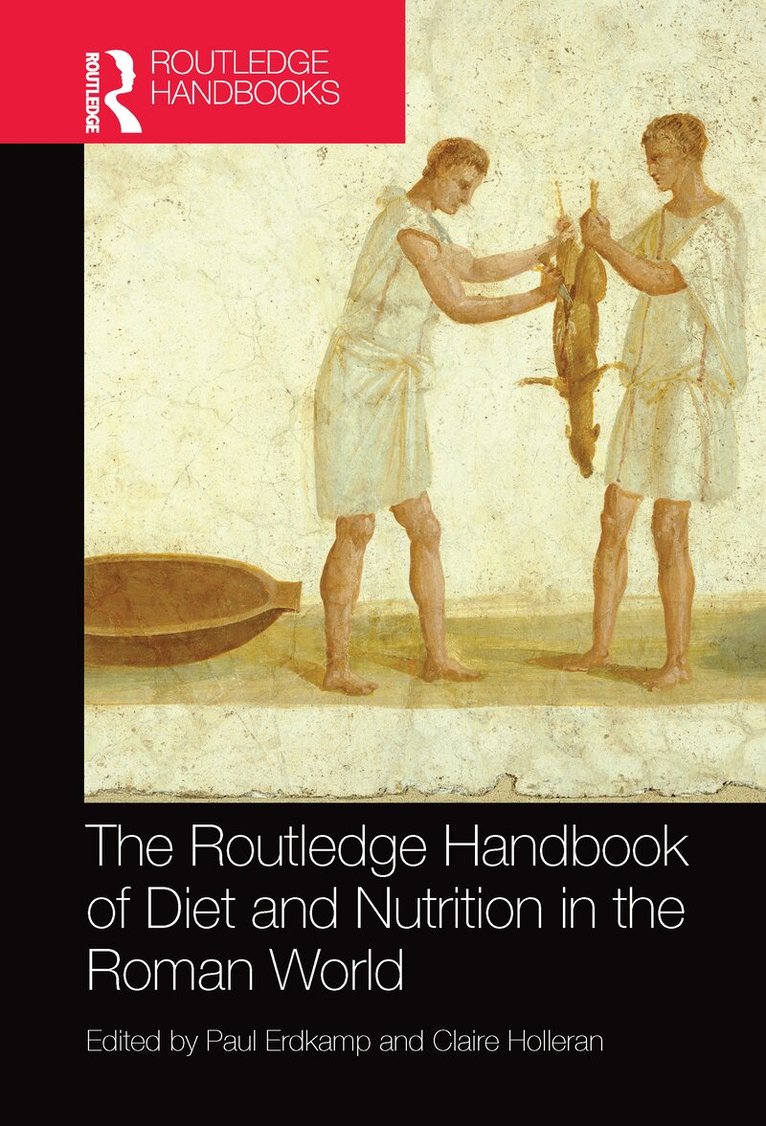
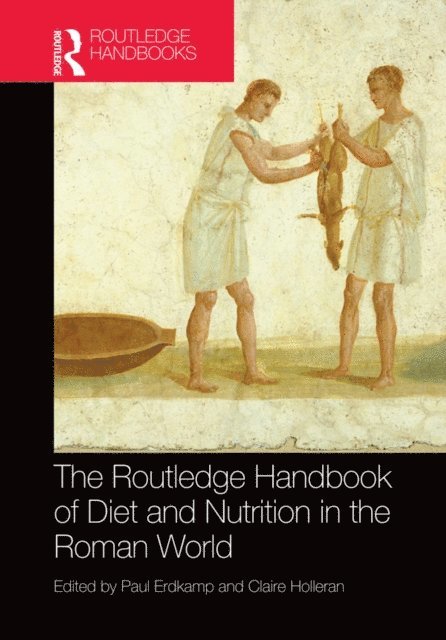
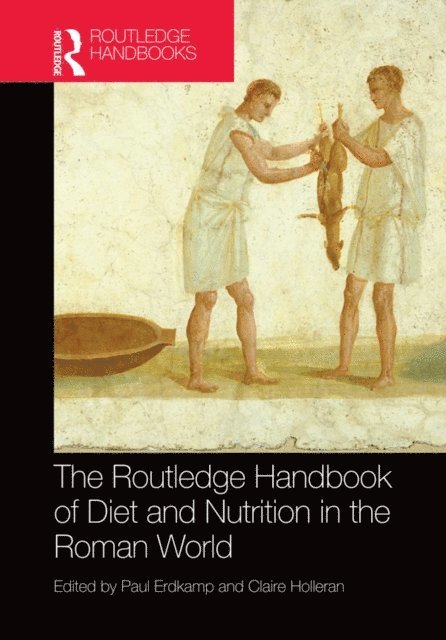
The Routledge Handbook of Diet and Nutrition in the Roman World presents a comprehensive overview of the sources, issues and methodologies involved in the study of the Roman diet. The focus of the book is on the Mediterranean heartland from the second century BC to the third and fourth centuries AD.
Life is impossible without food, but what people eat is not determined by biology alone, and this makes it a vital subject of social and historical study. The Handbook takes a multidisciplinary approach in which all kinds of sources and disciplines are combined to study the diet and nutrition of men, women and children in city and countryside in the Roman world. The chapters in this book are structured in five parts. Part I introduces the reader to the wide range of textual, material and bioarchaeological evidence concerning food and nutrition. Part II offers an overview of various kinds of food and drink, including cereals, pulses, olive oil, meat and fish, and the social setting of their consumption. Part III goes beyond the perspective of the Roman adult male by concentrating on women and children, on the cultures of Roman Egypt and Central Europe, as well as the Jews in Palestine and the impact of Christianity. Part IV provides a forum to three scholars to offer their thoughts on what physical anthropology contributes to our understanding of health, diet and (mal)nutrition. The final section puts food supply and its failure in the context of community and empire.
927 kr
Läs direkt efter köp
The Routledge Handbook of Diet and Nutrition in the Roman World presents a comprehensive overview of the sources, issues and methodologies involved in the study of the Roman diet. The focus of the book is on the Mediterranean heartland from the second century BC to the third and fourth centuries AD.
Life is impossible without food, but what people eat is not determined by biology alone, and this makes it a vital subject of social and historical study. The Handbook takes a multidisciplinary approach in which all kinds of sources and disciplines are combined to study the diet and nutrition of men, women and children in city and countryside in the Roman world. The chapters in this book are structured in five parts. Part I introduces the reader to the wide range of textual, material and bioarchaeological evidence concerning food and nutrition. Part II offers an overview of various kinds of food and drink, including cereals, pulses, olive oil, meat and fish, and the social setting of their consumption. Part III goes beyond the perspective of the Roman adult male by concentrating on women and children, on the cultures of Roman Egypt and Central Europe, as well as the Jews in Palestine and the impact of Christianity. Part IV provides a forum to three scholars to offer their thoughts on what physical anthropology contributes to our understanding of health, diet and (mal)nutrition. The final section puts food supply and its failure in the context of community and empire.
2 445 kr
Skickas inom 7-10 vardagar
2 816 kr
Läs direkt efter köp
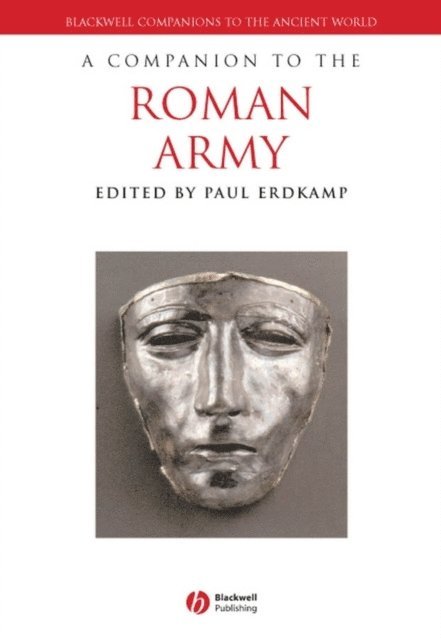
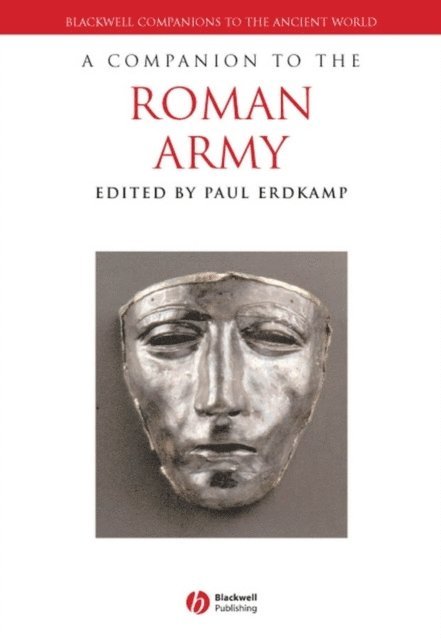
This companion provides an extensive account of the Roman army, exploring its role in Roman politics and society as well as the reasons for its effectiveness as a fighting force.
An extensive account of the Roman army, from its beginnings to its transformation in the later Roman Empire Examines the army as a military machine – its recruitment, training, organization, tactics and weaponry Explores the relationship of the army to Roman politics, economics and society more broadly Considers the geography and climate of the lands in which the Romans fought Each chapter is written by a leading expert in a particular subfield and takes account of the latest scholarly and archaeological research in that area594 kr
Skickas inom 7-10 vardagar
673 kr
Läs direkt efter köp
This companion provides an extensive account of the Roman army, exploring its role in Roman politics and society as well as the reasons for its effectiveness as a fighting force.
An extensive account of the Roman army, from its beginnings to its transformation in the later Roman Empire Examines the army as a military machine – its recruitment, training, organization, tactics and weaponry Explores the relationship of the army to Roman politics, economics and society more broadly Considers the geography and climate of the lands in which the Romans fought Each chapter is written by a leading expert in a particular subfield and takes account of the latest scholarly and archaeological research in that area485 kr
Skickas inom 10-15 vardagar
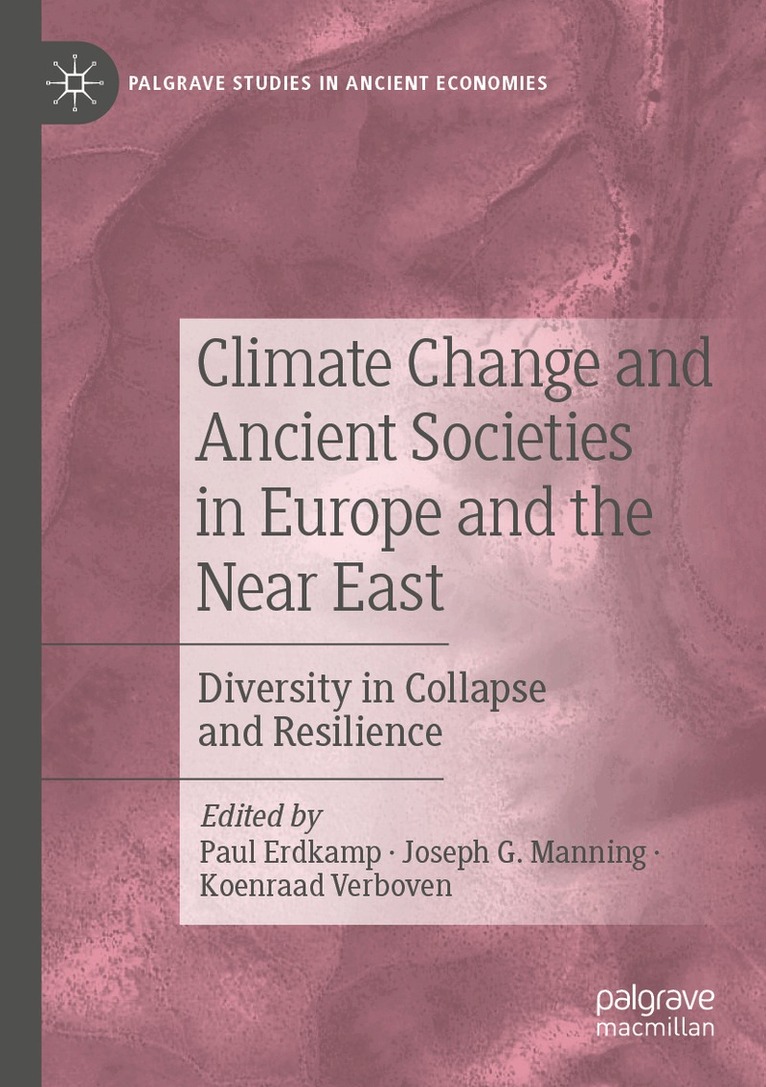
Diversity in Collapse and Resilience
1 090 kr
Skickas inom 7-10 vardagar
Diversity in Collapse and Resilience
2 619 kr
Läs direkt efter köp
Climate change over the past thousands of years is undeniable, but debate has arisen about its impact on past human societies. This book explores the link between climate and society in ancient worlds, focusing on the ancient economies of western Eurasia and northern Africa from the fourth millennium BCE up to the end of the first millennium CE.
This book contributes to the multi-disciplinary debate between scholars working on climate and society from various backgrounds. The chronological boundaries of the book are set by the emergence of complex societies in the Neolithic on the one end and the rise of early-modern states in global political and economic exchange on the other. In order to stimulate comparison across the boundaries of modern periodization, this book ends with demography and climate change in early-modern and modern Italy, a society whose empirical data allows the kind of statistical analysis that is impossible for ancient societies.
The book highlights the role of human agency, and the complex interactions between the natural environment and the socio-cultural, political, demographic, and economic infrastructure of any given society. It is intended for a wide audience of scholars and students in ancient economic history, specifically Rome and Late Antiquity.Diversity in Collapse and Resilience
1 090 kr
Skickas inom 7-10 vardagar
3 351 kr
Skickas inom 7-10 vardagar
John Wiley and Sons Ltd
709 kr
Tillfälligt slut