E-bok
PDF, Engelska, 2016250 kr
Läs direkt efter köp
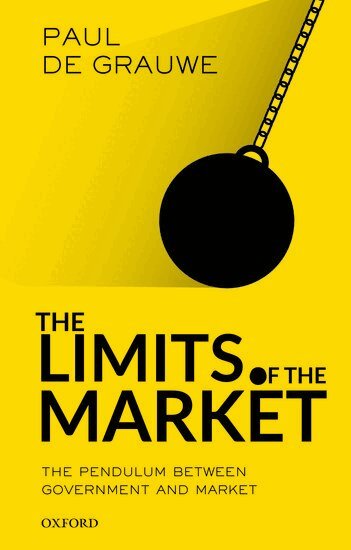
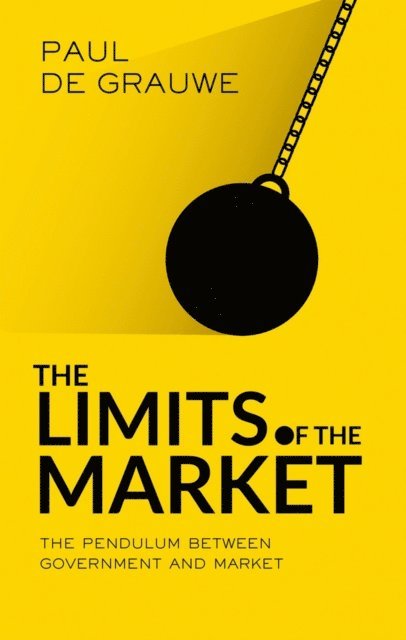
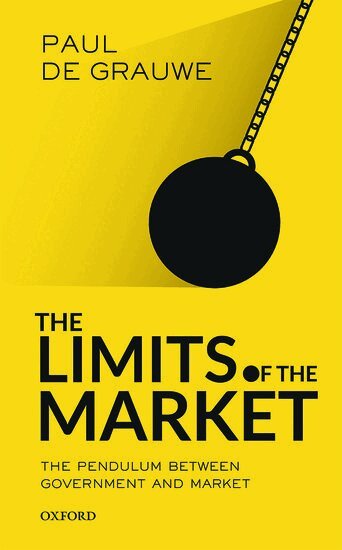
The old discussion of ''Market or State'' is obsolete. There will always have to be a mix of market and state. The only relevant question is what that mix should look like. How far do we have to let the market go its own way in order to create as much welfare as possible for everyone? What is the responsibility of the government in creating welfare? These are difficult questions. But they are also interesting questions and Paul De Grauwe analyses them in this book.The desired mix of market and state is anything but easy to bring about. It is a difficult and sometimes destructive process that is constantly in motion. There are periods in history in which the market gains in importance. During other periods the opposite occurs and government is more dominant. The turning points in this pendulum swing typically seem to coincide with disruptive events that test the limits of market and state. Why we experience this dynamic is an important theme in the book.Will the market, which today is afforded a greater and greater role due to globalization, run up against its limits? Or do the financial crisis and growing income inequality show that we have already reached those limits? Do we have to brace ourselves for a rejection of the capitalist system? Are we returning to an economy in which the government is running the show?