La captivante Saga Alford se poursuit avec James Alford, le déserteur, aux prises avec les défis que posent le grand âge et de féroces hivers, mais surtout, le départ de son fils et seul héritier, le jeune Jim, parti en raquettes en direction de Montréal, quelque sept cent miles à l’ouest de leur foyer de Shegouac.Parvenu à Montréal, Jim, poussé par la faim qui le tenaille, accepte un emploi sur le chantier du pont Victoria. Logé chez une veuve irlandaise dans Griffintown, il s’éprend de celle-ci, mais, après qu’on lui ait joué un sale tour, le jeune homme décidera que l’amère réalité de la vie urbaine n’est pas pour lui, et prendra de nouveau le chemin menant à son village et à sa communauté de pionniers. À son retour, son père, sentant ses forces décliner, le recrutera en vue de rallier ses voisins récalcitrants à ses projets de construction : une école pour les enfants du village, et une église où les villageois pourront célébrer leur foi.Enlevant et bourré d’aventure, Les bâtisseurs est le tome 3 de la Saga Alford, une série qui relate près de deux cent ans d’histoire canadienne telle que vue à travers les yeux d’une famille de colons.
This book analyses the perceived legitimacy of health and safety in post-1960 British public life. Since 2010 health and safety has appeared to be in crisis, being attacked by press, politicians and public alike, but are these claims of crisis accurate? How have understandings of health and safety changed over the past 60 years? By exploring the history, culture, and operation of health and safety in contemporary Britain, this book provides a new assessment of an understudied, but surprisingly far-reaching, part of the British political and social landscape. Combining archival research with focus group, social survey and oral history testimony, the book examines the historical background to health and safety, how health and safety has been enacted in public and in the workplace, the impact of changing economic, occupational and social structures on the operation of health and safety, and the conflicts and interests that have shaped the area.
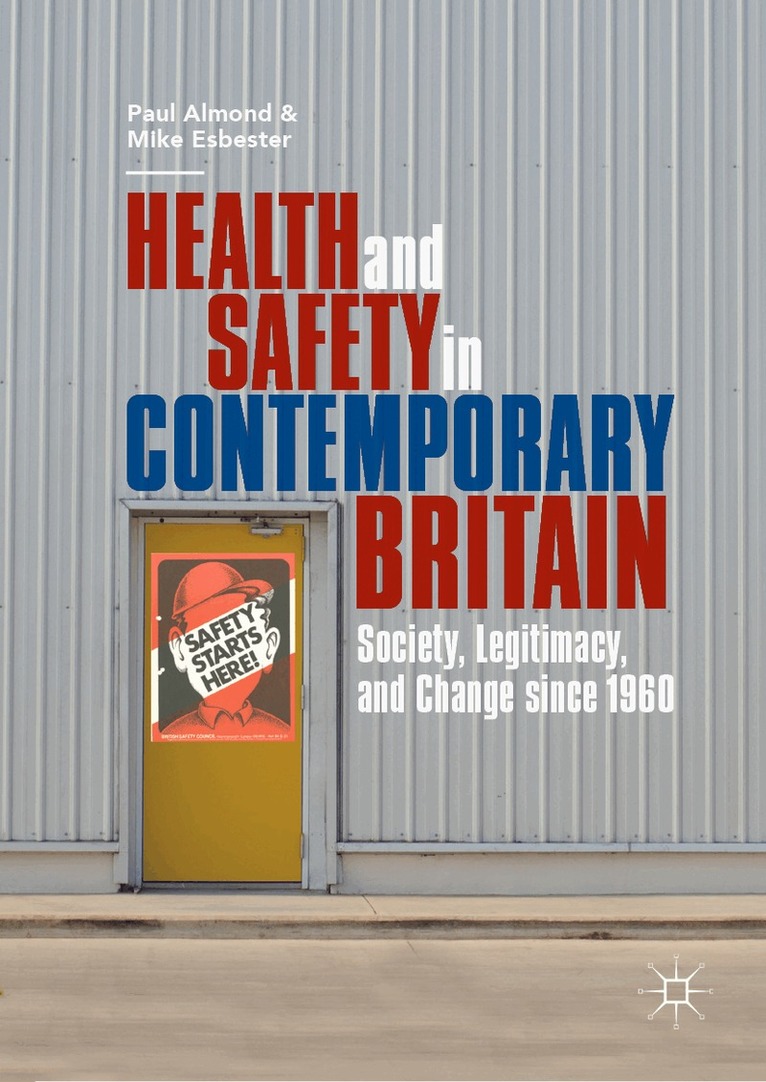
This book analyses the perceived legitimacy of health and safety in post-1960 British public life. Since 2010 health and safety has appeared to be in crisis, being attacked by press, politicians and public alike, but are these claims of crisis accurate? How have understandings of health and safety changed over the past 60 years? By exploring the history, culture, and operation of health and safety in contemporary Britain, this book provides a new assessment of an understudied, but surprisingly far-reaching, part of the British political and social landscape. Combining archival research with focus group, social survey and oral history testimony, the book examines the historical background to health and safety, how health and safety has been enacted in public and in the workplace, the impact of changing economic, occupational and social structures on the operation of health and safety, and the conflicts and interests that have shaped the area.