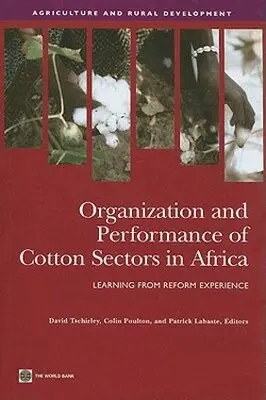
Cotton is a rare economic success story in Sub-Saharan Africa. While the continent's share of the world's agricultural trade fell by about half from 1980 to 2005, its share of world cotton exports more than doubled. Cotton is a major source of foreign exchange earnings in more than 15 countries of the continent and is a crucial source of income for millions of rural people. ""Organization and Performance of Cotton Sectors in Africa"" provides an in-depth comparative analysis of the outcomes of the reforms that have been implemented in Sub-Saharan cotton sectors and of the linkages between sector organization and performance. The book highlights challenges facing cotton sectors in Sub-Saharan Africa and demonstrates how reform in the sectors is the key to sustaining growth, improving competitiveness and reducing rural poverty. It provides national and regional policy makers with a number of recommendations based upon the observable lessons of past reform programs.
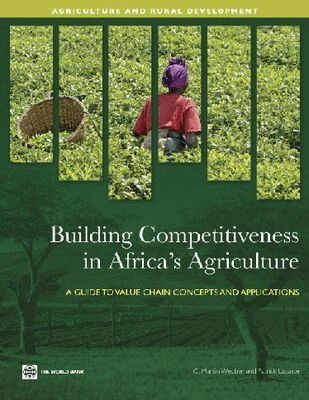
The development and business communities recently have experienced a tremendous resurgence of interest in promoting value chains development as a way to add value, lower transaction costs, diversify rural economies, and contribute to increasing rural household incomes. This Guide is designed for those who want to know more about value chain-based approaches and how to use them in ways that can contribute to sound operational decisions, improved market linkages, and results for enterprise and industry development. Using real examples, mostly from African countries, this book reviews and iillustrates a range of concepts, analytical tools, and methodologies centered on the value chain that can be used to design, implement, and evaluate agricultural and agribusiness development initiatives that strive to enhance productivity and competitiveness.
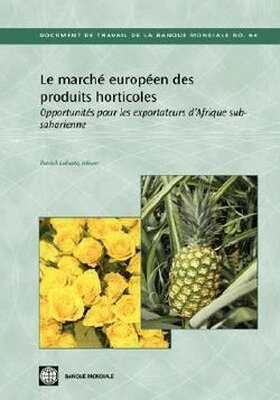
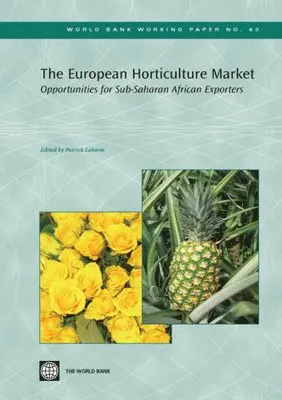
Trade is an essential driver for sustained economic growth, and growth is necessary for poverty reduction. In Sub-Saharan Africa, where three-fourths of the poor live in rural areas, spurring growth and generating income and employment opportunities is critical for poverty reduction strategies. Seventy percent of the population lives in rural areas, where livelihoods are largely dependent on the production and export of raw agricultural commodities such as coffee, cocoa, and cotton, whose prices in real terms have been steadily declining over the past decades. The deterioration in the terms of trade resulted for Africa in a steady contraction of its share in global trade over the past 50 years. Diversification of agriculture into higher-value, non-traditional exports is seen today as a priority for most of these countries. Some African countries - in particular, Kenya, South Africa, Uganda, Cote d'Ivoire, Senegal, and Zimbabwe - have managed to diversify their agricultural sector into non-traditional, high-value-added products such as cut flowers and plants, fresh and processed fruits and vegetables. To learn from these experiences and better assist other African countries in designing and implementing effective agricultural growth and diversification strategies, the World Bank has launched a comprehensive set of studies under the broad theme of ""Agricultural Trade Facilitation and Non-Traditional Agricultural Export Development in Sub-Saharan Africa."" This study provides an in-depth analysis of the current structure and dynamics of the European import market for flowers and fresh horticulture products. It aims to help client countries, industry stakeholders, and development partners to get a better understanding of these markets, and to assess the prospects and opportunities they offer for Sub-Saharan African exporters.