Until recently, chicken pox was a rite of passage for children and was often looked upon as just a nuisance, although this illness can cause complications in some people. Though the development and use of a chicken pox vaccine has reduced the number of chicken pox cases, the unvaccinated remain vulnerable. In addition, shingles, a painful condition that can arise after an initial chicken pox infection, is a concern, particularly in older people. ""Chicken Pox"" presents an overview of this disease caused by a herpes virus known as the varicella-zoster virus, explaining the signs and symptoms of the disease, how it spreads, how it is treated, and how the development of a vaccine has affected the incidence of chicken pox. Chapters of this title include: What Is Chicken Pox?; The History of Chicken Pox; The Varicella-Zoster Virus; Chicken Pox in Infants and Adults; Treatment; How Is Chicken Pox Prevented?; What Is Shingles?; and, Future Prospects and Concerns.
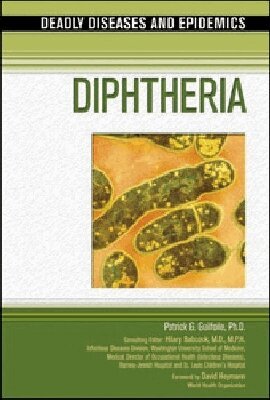
Although the earliest accounts of diphtheria date back at least 2,000 years, this disease was first associated with major epidemics in Europe during the 16th century. By the 18th century, diphtheria became a major cause of childhood illness and death in the New World. With the advent of widespread vaccination in the 1920s, the number of cases and deaths dropped dramatically. However, in areas where vaccination rates drop, diphtheria can rapidly become reestablished, as seen in the late 1990s in several former Soviet republics. Diphtheria is a bacterial infection caused by Corynebacterium diphtheriae, which attacks the respiratory system. ""Diphtheria"" describes the disease, the bacteria that causes it, and the development of effective treatments. Chapters of this title include: History of Diphtheria; How Does Corynebacterium Diphtheriae Cause Disease; How Is Diphtheria Treated; How Is Diphtheria Prevented; Resurgence of Diphtheria in the Former Soviet Union; and, Uses of Diphtheria Toxin.