

Häftad, Engelska
252 kr
Skickas inom 3-6 vardagar
252 kr
Skickas inom 3-6 vardagar

256 kr
Skickas inom 3-6 vardagar

128 kr
Skickas inom 7-10 vardagar

234 kr
Kommande

163 kr
Skickas inom 7-10 vardagar

1 872 kr
Skickas inom 7-10 vardagar
487 kr
Skickas inom 7-10 vardagar

222 kr
Skickas inom 7-10 vardagar

319 kr
Skickas inom 3-6 vardagar

193 kr
Skickas inom 7-10 vardagar

58 kr
Läs direkt efter köp

225 kr
Skickas inom 3-6 vardagar

213 kr
Skickas inom 3-6 vardagar

320 kr
Skickas inom 3-6 vardagar

316 kr
Skickas inom 3-6 vardagar

307 kr
Skickas inom 3-6 vardagar

310 kr
Skickas inom 3-6 vardagar

326 kr
Skickas inom 3-6 vardagar

223 kr
Skickas inom 3-6 vardagar

301 kr
Skickas inom 3-6 vardagar

123 kr
Skickas

126 kr
Läs direkt efter köp

204 kr
Skickas inom 7-10 vardagar

310 kr
Skickas inom 3-6 vardagar

194 kr
Skickas inom 3-6 vardagar
The Humanist Depiction of Rulers in Historiographical and Biographical Texts
1 844 kr
Skickas inom 7-10 vardagar

1 865 kr
Läs direkt efter köp
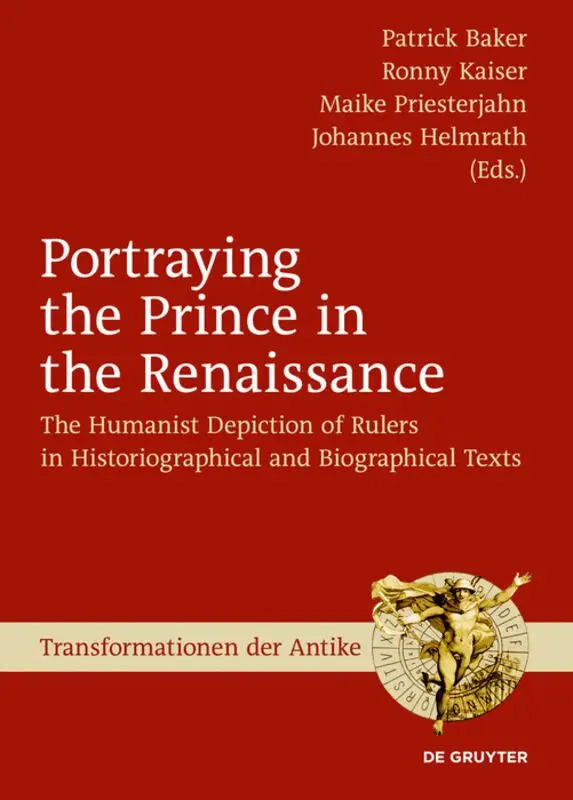
The portrayal of princes plays a central role in the historical literature of the European Renaissance. The sixteen contributions collected in this volume examine such portrayals in a broad variety of historiographical, biographical, and poetic texts. It emerges clearly that historical portrayals were not essentially bound by generic constraints but instead took the form of res gestae or historiae, discrete or collective biographies, panegyric, mirrors for princes, epic poetry, orations, even commonplace books – whatever the occasion called for. Beyond questions of genre, the chapters focus on narrative strategies and the transformation of ancient, medieval, and contemporary authors, as well as on the influence of political, cultural, intellectual, and social contexts. Four broad thematic foci inform the structure of this book: the virtues ascribed to the prince, the cultural and political pretensions inscribed in literary portraits, the historical and literary models on which these portraits were based, and the method that underlay them. The volume is rounded out by a critical summary that considers the portrayal of princes in humanist historiogrpahy from the point of view of transformation theory.

1 825 kr
Läs direkt efter köp
The portrayal of princes plays a central role in the historical literature of the European Renaissance. The sixteen contributions collected in this volume examine such portrayals in a broad variety of historiographical, biographical, and poetic texts. It emerges clearly that historical portrayals were not essentially bound by generic constraints but instead took the form of res gestae or historiae, discrete or collective biographies, panegyric, mirrors for princes, epic poetry, orations, even commonplace books – whatever the occasion called for. Beyond questions of genre, the chapters focus on narrative strategies and the transformation of ancient, medieval, and contemporary authors, as well as on the influence of political, cultural, intellectual, and social contexts. Four broad thematic foci inform the structure of this book: the virtues ascribed to the prince, the cultural and political pretensions inscribed in literary portraits, the historical and literary models on which these portraits were based, and the method that underlay them. The volume is rounded out by a critical summary that considers the portrayal of princes in humanist historiogrpahy from the point of view of transformation theory.
Renaissance Humanism and the Transformation of Classical Antiquity
1 569 kr
Skickas inom 7-10 vardagar
1 459 kr
Läs direkt efter köp
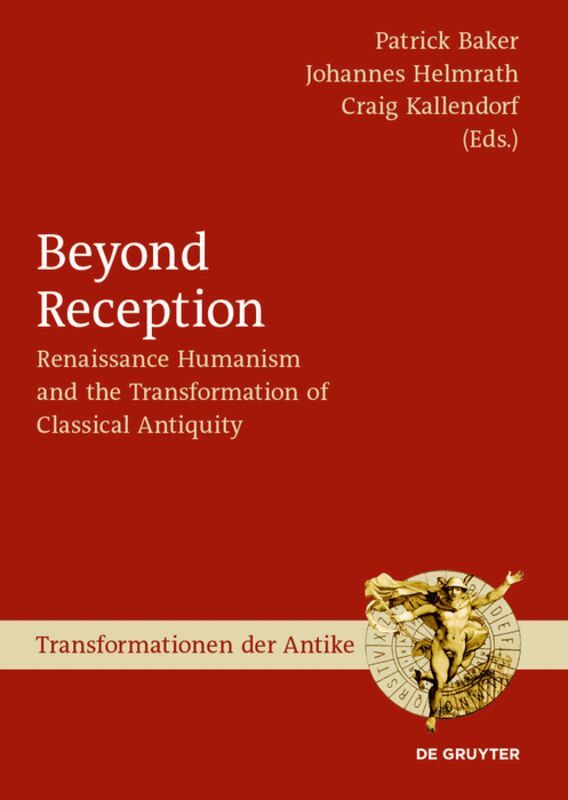
Beyond Reception applies a new concept for analyzing cultural change, known as ‘transformation'', the study of Renaissance humanism. Traditional scholarship takes the Renaissance humanists at their word, that they were simply viewing the ancient world as it actually was and recreating its key features within their own culture. Initially modern studies in the classical tradition accepted this claim and saw this process as largely passive. ''Transformation theory'' emphasizes the active role played by the receiving culture both in constructing a vision of the past and in transforming that vision into something that was a meaningful part of the later culture. A chapter than explains the terminology and workings of ''transformation theory'' is followed by essays by nine established experts that suggest how the key disciplines of grammar, rhetoric, history, poetry, and philosophy in the Renaissance represent transformations of what went on in these fields in ancient Greece and Rome. The picture that emerges suggests that Renaissance humanism as it was actually practiced both received and transformed the classical past, at the same time as it constructed a vision of that past that still resonates today.