245 kr
245 kr
373 kr
Skickas inom 10-15 vardagar
2 497 kr
Skickas inom 10-15 vardagar
754 kr
Skickas inom 10-15 vardagar
1 629 kr
Skickas inom 7-10 vardagar
905 kr
Skickas inom 7-10 vardagar
986 kr
Skickas inom 7-10 vardagar
329 kr
Skickas inom 7-10 vardagar
778 kr
Skickas inom 7-10 vardagar
259 kr
Skickas inom 7-10 vardagar
294 kr
Läs direkt efter köp
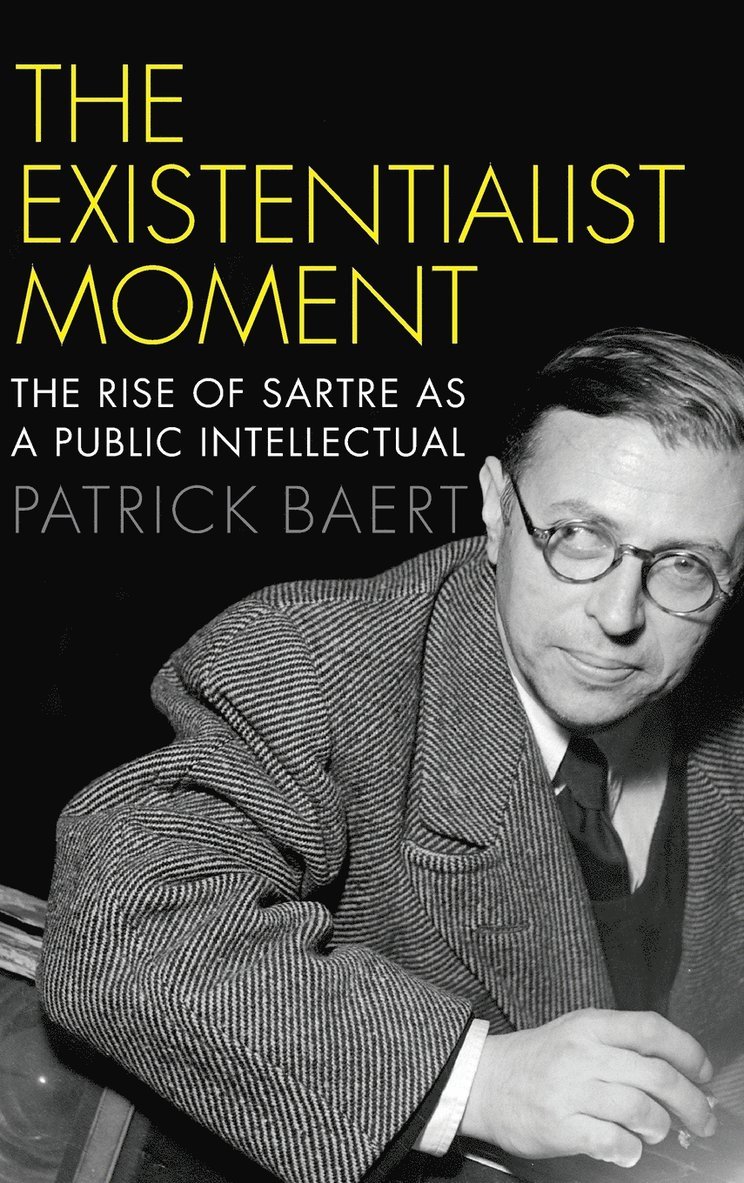
Choice Outstanding Academic Title for 2015Jean-Paul Sartre is often seen as the quintessential public intellectual, but this was not always the case. Until the mid-1940s he was not so well-known, even in France. Then suddenly, in a very short period of time, Sartre became an intellectual celebrity. How can we explain this remarkable transformation?
The Existentialist Moment retraces Sartre�s career and provides a compelling new explanation of his meteoric rise to fame. Baert takes the reader back to the confusing and traumatic period of the Second World War and its immediate aftermath and shows how the unique political and intellectual landscape in France at this time helped to propel Sartre and existentialist philosophy to the fore. The book also explores why, from the early 1960s onwards, in France and elsewhere, the interest in Sartre and existentialism eventually waned. The Existentialist Moment ends with a bold new theory for the study of intellectuals and a provocative challenge to the widespread belief that the public intellectual is a species now on the brink of extinction.
488 kr
Skickas inom 7-10 vardagar
1 471 kr
Skickas inom 7-10 vardagar
998 kr
Skickas inom 10-15 vardagar
877 kr
Läs direkt efter köp
Social scientists often refer to contemporary advanced societies as ‘knowledge societies’, which indicates the extent to which ‘science’, ‘knowledge’ and ‘knowledge production’ have become fundamental phenomena in Western societies and central concerns for the social sciences. This book aims to investigate the political dimension of this production and validation of knowledge.
In studying the relationship between knowledge and politics, this book provides a novel perspective on current debates about ‘knowledge societies’, and offers an interdisciplinary agenda for future research. It addresses four fundamental aspects of the relation between knowledge and politics:
• the ways in which the nature of the knowledge we produce affects the nature of political activity
• how the production of knowledge calls into question fundamental political categories
• how the production of knowledge is governed and managed
• how the new technologies of knowledge produce new forms of political action.
This book will be of interest to students of sociology, political science, cultural studies and science and technology studies.
883 kr
Läs direkt efter köp
Social scientists often refer to contemporary advanced societies as ‘knowledge societies’, which indicates the extent to which ‘science’, ‘knowledge’ and ‘knowledge production’ have become fundamental phenomena in Western societies and central concerns for the social sciences. This book aims to investigate the political dimension of this production and validation of knowledge.
In studying the relationship between knowledge and politics, this book provides a novel perspective on current debates about ‘knowledge societies’, and offers an interdisciplinary agenda for future research. It addresses four fundamental aspects of the relation between knowledge and politics:
• the ways in which the nature of the knowledge we produce affects the nature of political activity
• how the production of knowledge calls into question fundamental political categories
• how the production of knowledge is governed and managed
• how the new technologies of knowledge produce new forms of political action.
This book will be of interest to students of sociology, political science, cultural studies and science and technology studies.
430 kr
Läs direkt efter köp
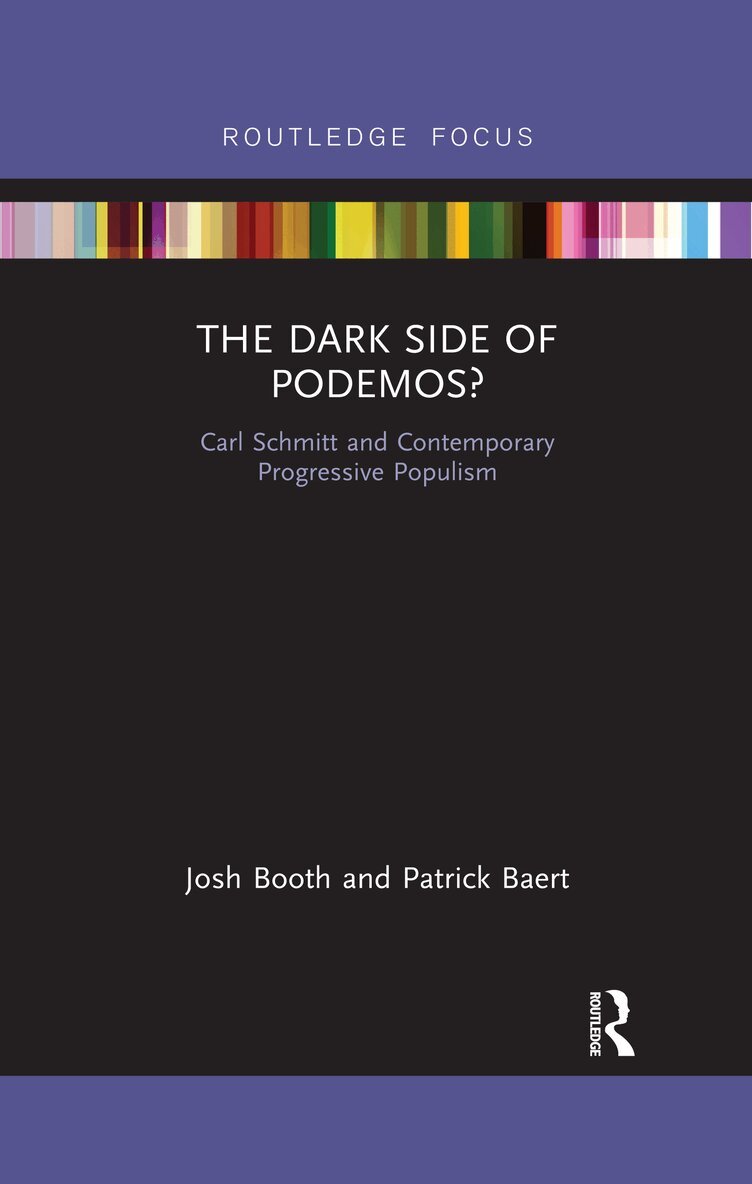
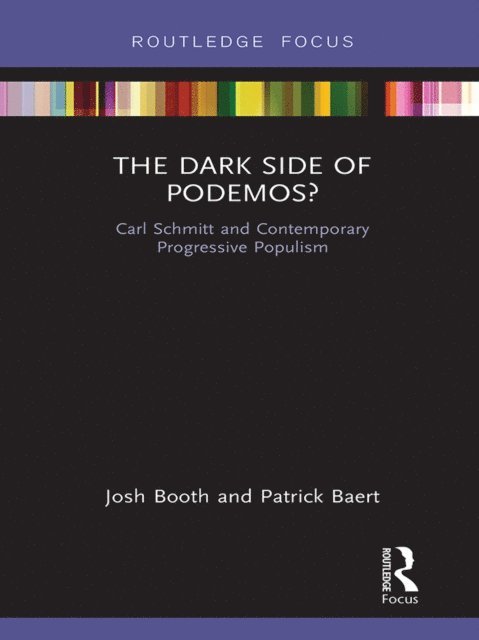
In 2014 a new progressive party, Podemos, emerged on the Spanish political scene. Within just over two years it had become the country’s third-biggest party, winning a slew of seats in parliament and regularly making headline news. While some see Podemos as the saviour of Spanish democracy, others have accused it of corrosive populism. But what few have noticed is that behind its distinctive rhetoric lies a thinker closely associated with Germany’s Third Reich: Carl Schmitt.
Why has an ostensibly progressive and avowedly anti-fascist political party taken up Schmitt’s ideas? The puzzle only deepens when we learn of Schmitt’s links with Francisco Franco’s dictatorship. In The Dark Side of Podemos?, Booth and Baert explain why Schmittian theory resonated with Podemos’ founders. In doing so, the authors position Podemos and the ideas that guide it within the context of recent Spanish history and ongoing politics of memory, revealing a story about how personal and political narratives have combined to produce a formidable political force.
This enlightening monograph will appeal to undergraduates and postgraduates, as well as postdoctoral researchers, interested in fields such as Politics, Political Theory and Sociology. It will also be relevant to those curious about contemporary Spanish politics, the nature of populism, the future of the European left, or Carl Schmitt and his links with Spain.
421 kr
Läs direkt efter köp
In 2014 a new progressive party, Podemos, emerged on the Spanish political scene. Within just over two years it had become the country’s third-biggest party, winning a slew of seats in parliament and regularly making headline news. While some see Podemos as the saviour of Spanish democracy, others have accused it of corrosive populism. But what few have noticed is that behind its distinctive rhetoric lies a thinker closely associated with Germany’s Third Reich: Carl Schmitt.
Why has an ostensibly progressive and avowedly anti-fascist political party taken up Schmitt’s ideas? The puzzle only deepens when we learn of Schmitt’s links with Francisco Franco’s dictatorship. In The Dark Side of Podemos?, Booth and Baert explain why Schmittian theory resonated with Podemos’ founders. In doing so, the authors position Podemos and the ideas that guide it within the context of recent Spanish history and ongoing politics of memory, revealing a story about how personal and political narratives have combined to produce a formidable political force.
This enlightening monograph will appeal to undergraduates and postgraduates, as well as postdoctoral researchers, interested in fields such as Politics, Political Theory and Sociology. It will also be relevant to those curious about contemporary Spanish politics, the nature of populism, the future of the European left, or Carl Schmitt and his links with Spain.
363 kr
Läs direkt efter köp
1 794 kr
Skickas inom 10-15 vardagar
2 262 kr
Läs direkt efter köp
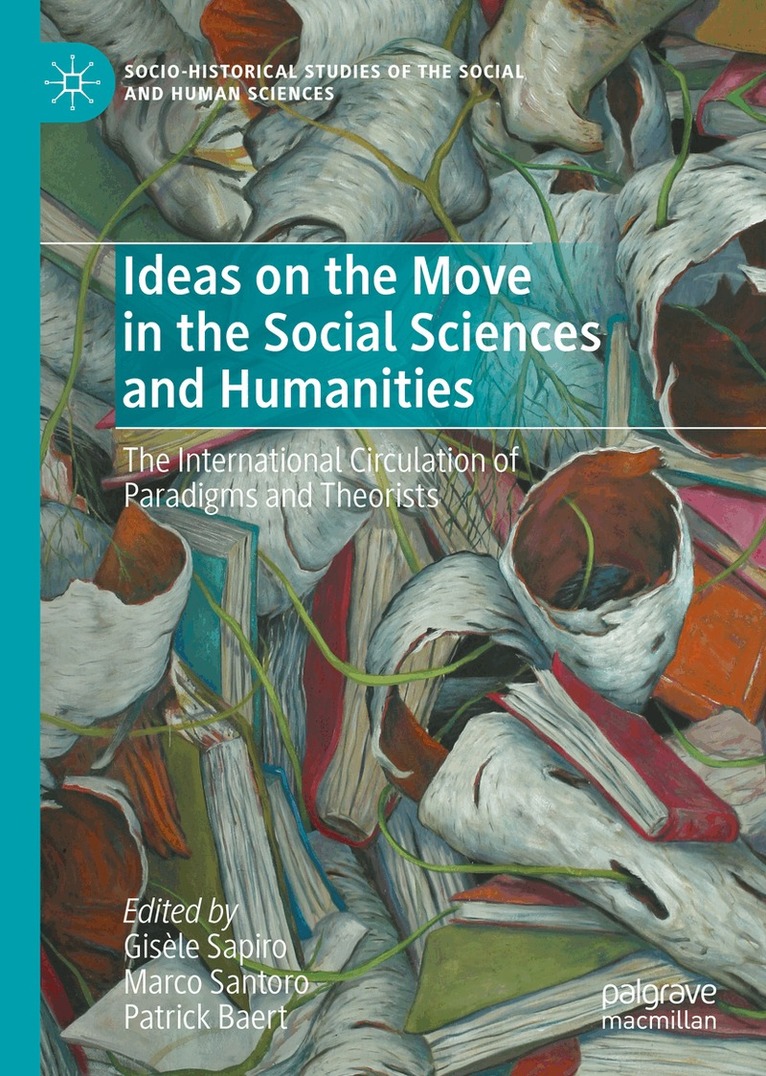
This edited collection analyses the reception of a selection of key thinkers, and the dissemination of paradigms, theories and controversies across the social sciences and humanities since 1945. It draws on data collected from textbooks, curricula, interviews, archives, and references in scientific journals, from a broad range of countries and disciplines to provide an international and comparative perspective that will shed fresh light on the circulation of ideas in the social and human sciences.
The contributions cover high-profile disputes on methodology, epistemology, and research practices, and the international reception of theorists that have abiding and interdisciplinary relevance, such as: Antonio Gramsci, Hannah Arendt, Karl Polanyi, Pierre Bourdieu, Michel Foucault, Edward Said and Gayatri Spivak. This important work will be a valuable resource to scholars of the history of ideas and the philosophy of the social sciences; in addition to researchers in the fields of social, cultural and literary theory.
1 794 kr
Skickas inom 10-15 vardagar
603 kr
Skickas inom 10-15 vardagar
797 kr
Läs direkt efter köp
605 kr
Skickas inom 10-15 vardagar
268 kr
Läs direkt efter köp