608 kr
Skickas inom 3-6 vardagar
608 kr
Skickas inom 3-6 vardagar
1 605 kr
Läs direkt efter köp
1 813 kr
Läs direkt efter köp
2 633 kr
Skickas inom 3-6 vardagar
2 210 kr
Skickas inom 10-15 vardagar
753 kr
Skickas inom 10-15 vardagar
The Duchy of Gaeta and its Neighbours, 850-1139
1 815 kr
Skickas inom 7-10 vardagar
The Duchy of Gaeta and its Neighbours, 850-1139
921 kr
Skickas inom 7-10 vardagar
386 kr
Skickas inom 10-15 vardagar
1 246 kr
Skickas inom 10-15 vardagar
415 kr
Läs direkt efter köp
2 601 kr
Skickas inom 10-15 vardagar
320 kr
Skickas inom 10-15 vardagar
228 kr
Skickas inom 10-15 vardagar
1 901 kr
Skickas inom 10-15 vardagar
562 kr
Läs direkt efter köp
558 kr
Läs direkt efter köp
517 kr
Skickas inom 10-15 vardagar
418 kr
Läs direkt efter köp
996 kr
Läs direkt efter köp
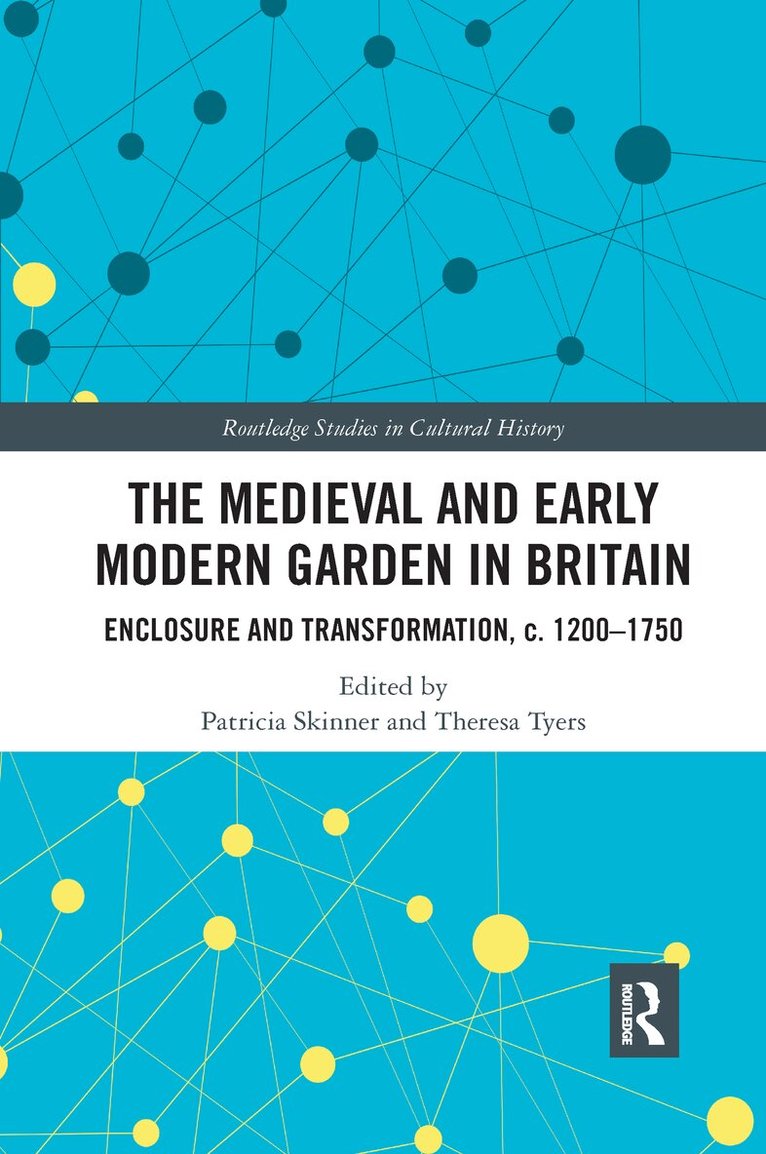
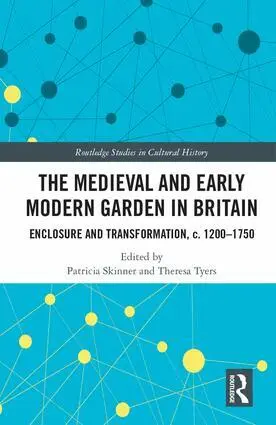
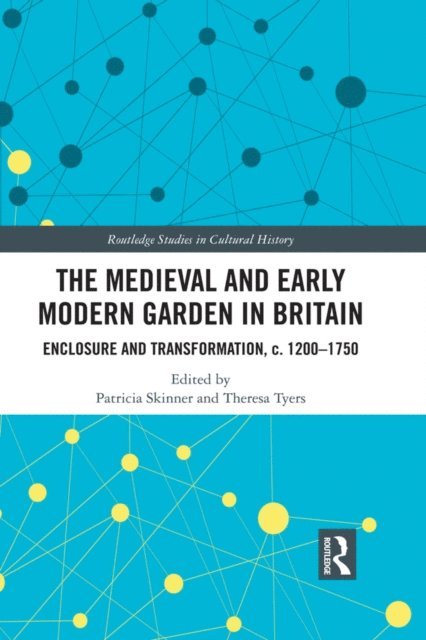
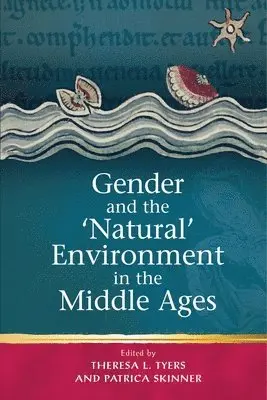
What was a "garden" in medieval and early modern British culture and how was it imagined? How did it change as Europe opened up to the wider world from the 16th century onwards? In a series of fresh approaches to these questions, the contributors offer chapters that identify and discuss newly-discovered pre-modern garden spaces in archaeology and archival sources, recognize a gendered language of the garden in fictional descriptions ("fictional" here being taken to mean any written text, regardless of its purpose), and offer new analysis of the uses to which gardens - real and imagined - might be put. Chapters investigate the definitions, forms and functions of physical gardens; explore how the material space of the garden was gendered as a secluded space for women, and as a place of recreation; examine the centrality of garden imagery in medieval Christian culture; and trace the development of garden motifs in the literary and artistic imagination to convey the sense of enclosure, transformation and release. The book uniquely underlines the current environmental "turn" in the humanities, and increasingly recognizes the value of exploring human interaction with the landscapes of the past as a route to health and well-being in the present.
974 kr
Läs direkt efter köp
What was a "garden" in medieval and early modern British culture and how was it imagined? How did it change as Europe opened up to the wider world from the 16th century onwards? In a series of fresh approaches to these questions, the contributors offer chapters that identify and discuss newly-discovered pre-modern garden spaces in archaeology and archival sources, recognize a gendered language of the garden in fictional descriptions ("fictional" here being taken to mean any written text, regardless of its purpose), and offer new analysis of the uses to which gardens - real and imagined - might be put. Chapters investigate the definitions, forms and functions of physical gardens; explore how the material space of the garden was gendered as a secluded space for women, and as a place of recreation; examine the centrality of garden imagery in medieval Christian culture; and trace the development of garden motifs in the literary and artistic imagination to convey the sense of enclosure, transformation and release. The book uniquely underlines the current environmental "turn" in the humanities, and increasingly recognizes the value of exploring human interaction with the landscapes of the past as a route to health and well-being in the present.
393 kr
Skickas inom 7-10 vardagar
472 kr
Läs direkt efter köp
472 kr
Läs direkt efter köp
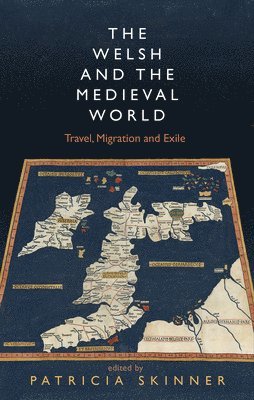
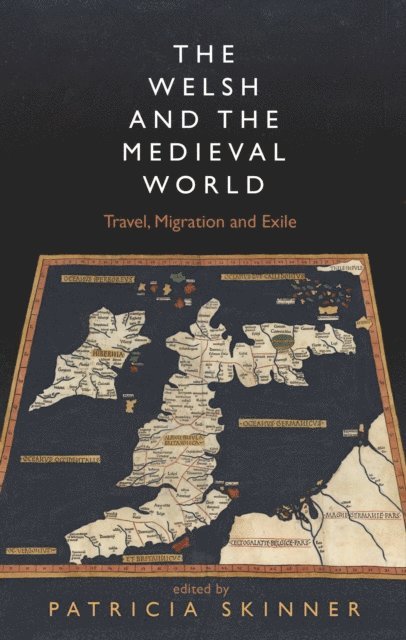
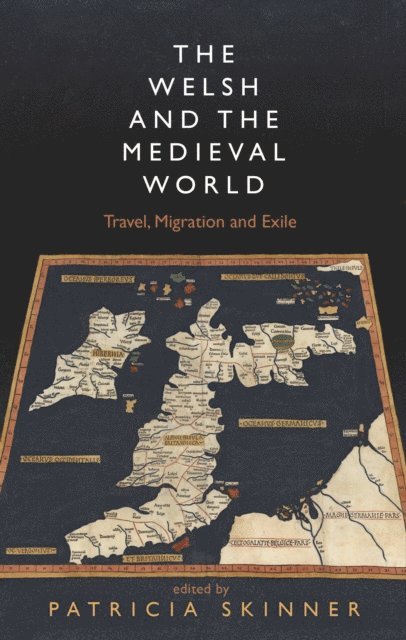
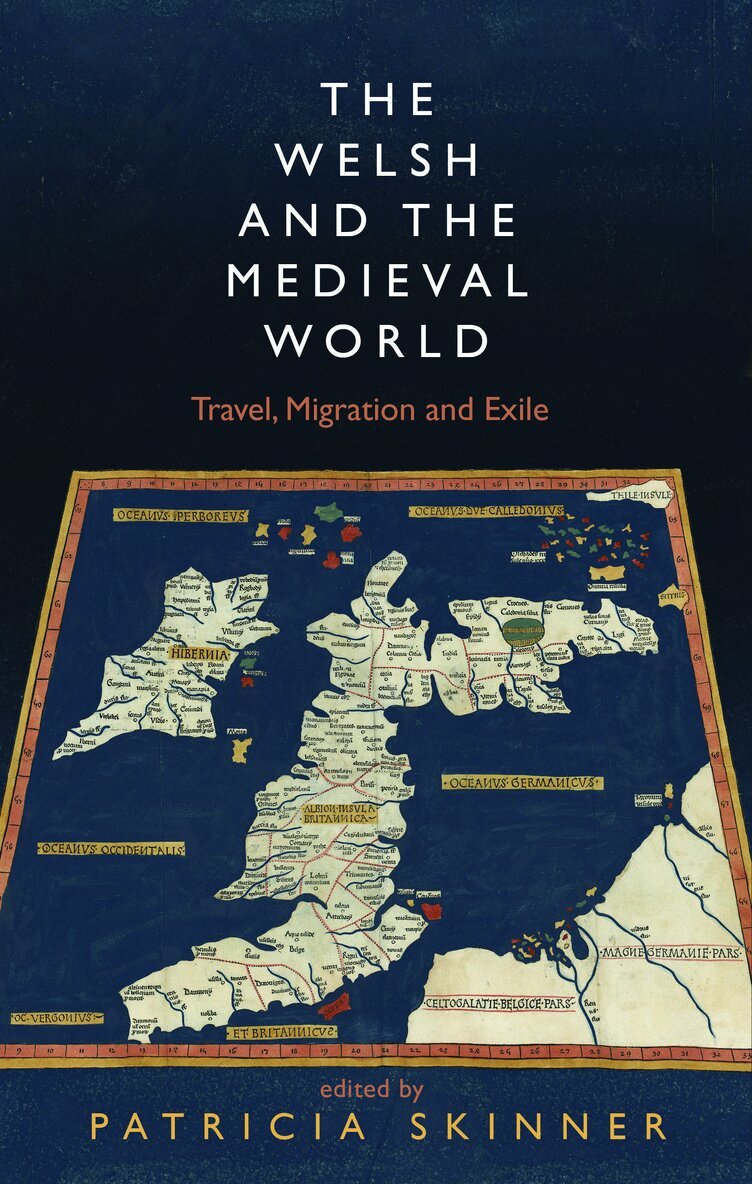
How did the Welsh travel beyond their geographical borders in the Middle Ages? What did they do, what did they take with them in their baggage, and what did they bring back? This book seeks for the first time to capture the medieval Welsh on the move, and core to its purpose is the exploration of identity within and outside the Welsh territories – particularly since ‘Welsh’ may have become a fluid term to describe a stranger, often pejoratively. The contributors also seek to explore the nature of ‘Welsh history’ as a discipline. How can a consideration of the Welsh abroad draw upon wider paradigms of nationhood, diaspora and colonisation; economic migration; gender relations; and the pursuit of educational, religious and cultural opportunities? Is there anything specifically ‘Welsh’ about the experiences of medieval migrants and correspondents? And what can the medieval experience of Welsh people exploring the then known world contribute to the longer-term history of emigration and exchange? Examining archaeological, historical and literary evidence together, this book enables a better understanding of the ways in which people from Wales interacted with and understood their near and distant neighbours.
1 124 kr
Skickas inom 7-10 vardagar
1 230 kr
Läs direkt efter köp
1 222 kr
Läs direkt efter köp
312 kr
Skickas inom 7-10 vardagar
1 246 kr
Tillfälligt slut
484 kr
Tillfälligt slut