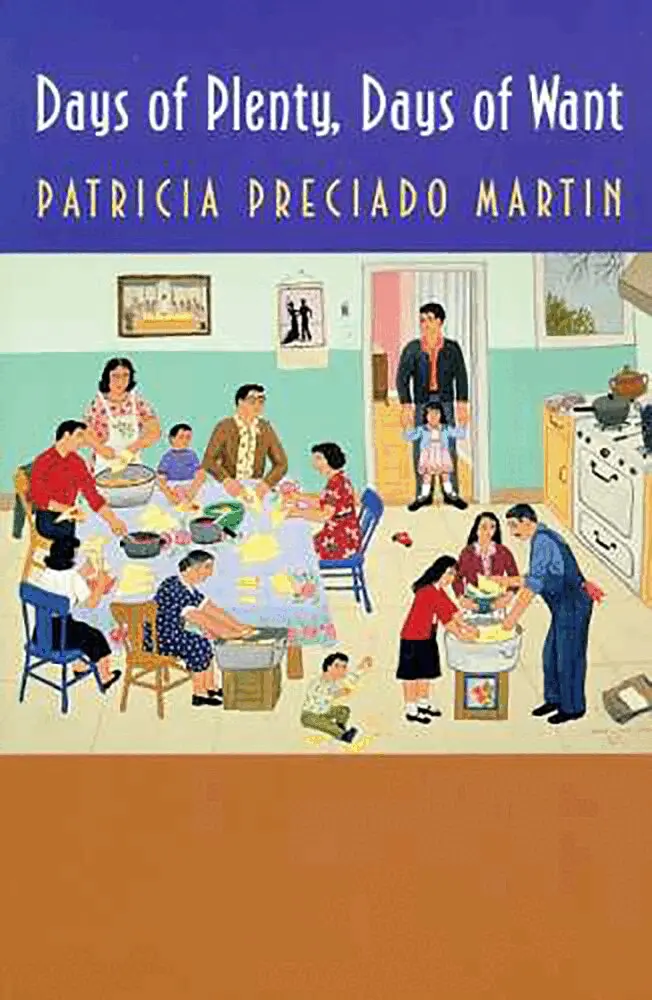
For Patricia Preciado Martin, the past is every bit as real as the present. In Days of Plenty, Days of Want , past and present meet in a collection of strikingly crafted short stories. Martin combines a strong sense of the poetic and a familiarity with her community in fiction that is as authentic as history. Transcending the legends and folklore that are an integral part of the stories, she shows us a heritage being irreverently pushed aside by "progress" yet passed along from person to person, century to century. In the pages of this book are people so real you'll swear you've met them, situations so familiar you'll nod in recognition. In "Earth to Earth" we see the remains of a woman's entire lifetime being purchased and destroyed by land developers. "María de las Trenzas" offers a moving account of a young woman who fantasizes adventures to escape the tedium of her life. And "The Ruins" emphasizes the importance of preserving a heritage so that a people's history and culture will not be forgotten by future generations. Two of these stories have won prizes in Chicano literary contests; all will win the hearts of readers.Through these stories, Patricia Preciado Martin reminds us that freedom and self-expression are important in fulfilling our potential and, more important, that a large part of this process requires acknowledging our heritage as a priceless gift whose relevance in our lives cannot be ignored.
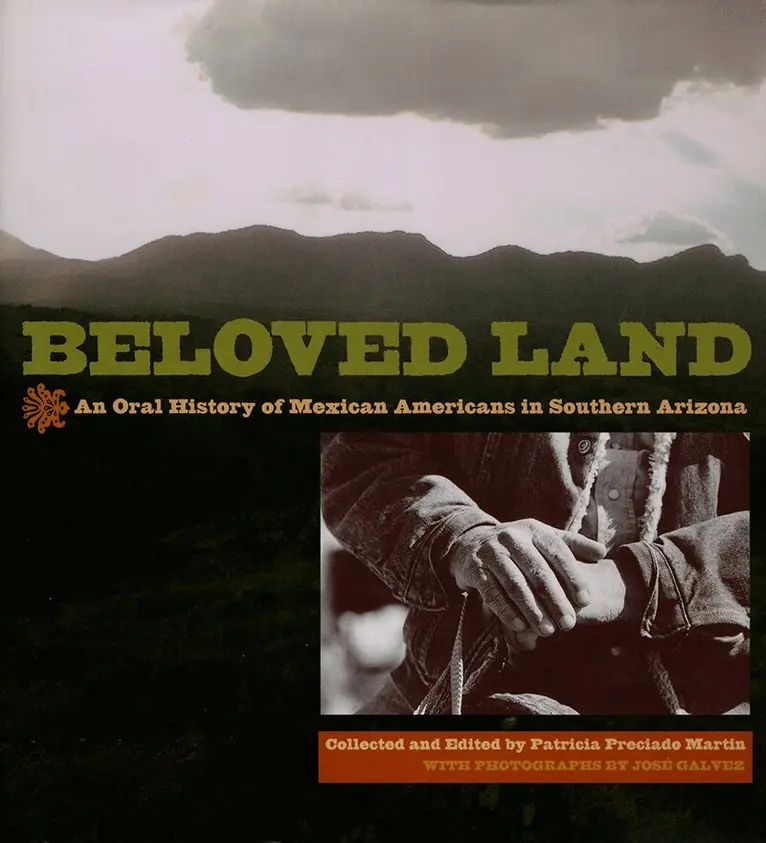
Dona Ramona Benitez Franco was born in 1902 on her parents' Arizona ranch and celebrated her hundredth birthday with family and friends in 2002, still living in her family's century-old adobe house. Dona Ramona witnessed many changes in the intervening years, but her memories of the land and customs she knew as a child are indelible. For Dona Ramona as well as for countless generations of Mexican Americans, memories of rural life recall la querida tierra, the beloved land. Through good times and bad, the land provided sustenance. Today, many of those homesteads and ranches have succumbed to bulldozers that have brought housing projects and strip malls in their wake. Now a writer and a photographer who have long been intimately involved with Arizona's Hispanic community have preserved the voices and images of men and women who are descendants of pioneer ranching and farming families in southern Arizona. Ranging from Tucson to the San Rafael Valley and points in between, this book documents the contributions of Mexican American families whose history and culture are intertwined with the lifestyle of the contemporary Southwest.These were hardy, self-reliant pioneers who settled in what were then remote areas. Their stories tell of love affairs with the land and a way of life that is rapidly disappearing. Through oral histories and a captivating array of historic and contemporary photos, Beloved Land records a vibrant and resourceful way of life that has contributed so much to the region. Individuals like Dona Ramona tell stories about rural life, farming, ranching, and vaquero culture that enrich our knowledge of settlement, culinary practices, religious traditions, arts, and education of Hispanic settlers of Arizona. They talk frankly about how the land changed hands not always by legal means and tell how they feel about modern society and the disappearance of the rural lifestyle. "Our ranch homes and fields, our chapels and corrals may have been bulldozed by progress or renovated into spas and guest ranches that never whisper our ancestors' names," writes Patricia Preciado Martin. "The story of our beautiful and resilient heritage will never be silenced ...as long as we always remember to run our fingers through the nourishing and nurturing soil of our history."Beloved Land works that soil as it revitalizes that history for the generations to come.