1 388 kr
Skickas inom 5-8 vardagar
1 388 kr
Skickas inom 5-8 vardagar
1 229 kr
Läs direkt efter köp
1 229 kr
Läs direkt efter köp
2 497 kr
Skickas inom 10-15 vardagar
629 kr
Skickas inom 10-15 vardagar
2 582 kr
Skickas inom 11-20 vardagar
1 653 kr
Skickas inom 3-6 vardagar
2 385 kr
Skickas inom 7-10 vardagar
704 kr
Skickas inom 11-20 vardagar
2 694 kr
Läs direkt efter köp
A groundbreaking handbook that takes a cross-national approach to the media history of Europe of the past 100 years
The Handbook of European Communication History is a definitive and authoritative handbook that fills a gap in the literature to provide a coherent and chronological history of mass media, public communication and journalism in Europe from 1900 to the late 20th century. With contributions from teams of scholars and members of the European Communication Research and Education Association, the Handbook explores media innovations, major changes and developments in the media systems that affected public communication, as well as societies and culture. The contributors also examine the general trends of communication history and review debates related to media development.
To ensure a transnational approach to the topic, the majority of chapters are written not by a single author but by international teams formed around one or more lead authors. The Handbook goes beyond national perspectives and provides a basis for more cross-national treatments of historical developments in the field of mediated communication. Indeed, this important Handbook:
Offers fresh insights on the development of media alongside key differences between countries, regions, or media systems over the past century Takes a fresh, cross-national approach to European media history Contains contributions from leading international scholars in this rapidly evolving area of study Explores the major innovations, key developments, differing trends, and the important debates concerning the media in the European settingWritten for students and academics of communication and media studies as well as media professionals, The Handbook of European Communication History covers European media from 1900 with the emergence of the popular press to the professionalization of journalists and the first wave of multimedia with the advent of film and radio broadcasting through the rapid growth of the Internet and digital media since the late 20th century.
873 kr
Läs direkt efter köp
A groundbreaking handbook that takes a cross-national approach to the media history of Europe of the past 100 years
The Handbook of European Communication History is a definitive and authoritative handbook that fills a gap in the literature to provide a coherent and chronological history of mass media, public communication and journalism in Europe from 1900 to the late 20th century. With contributions from teams of scholars and members of the European Communication Research and Education Association, the Handbook explores media innovations, major changes and developments in the media systems that affected public communication, as well as societies and culture. The contributors also examine the general trends of communication history and review debates related to media development.
To ensure a transnational approach to the topic, the majority of chapters are written not by a single author but by international teams formed around one or more lead authors. The Handbook goes beyond national perspectives and provides a basis for more cross-national treatments of historical developments in the field of mediated communication. Indeed, this important Handbook:
Offers fresh insights on the development of media alongside key differences between countries, regions, or media systems over the past century Takes a fresh, cross-national approach to European media history Contains contributions from leading international scholars in this rapidly evolving area of study Explores the major innovations, key developments, differing trends, and the important debates concerning the media in the European settingWritten for students and academics of communication and media studies as well as media professionals, The Handbook of European Communication History covers European media from 1900 with the emergence of the popular press to the professionalization of journalists and the first wave of multimedia with the advent of film and radio broadcasting through the rapid growth of the Internet and digital media since the late 20th century.
729 kr
Läs direkt efter köp
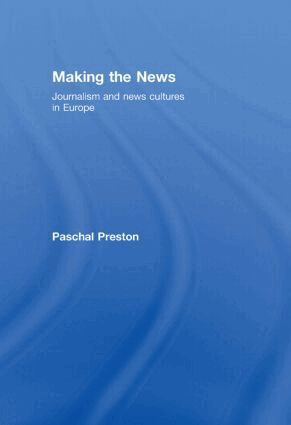
Making the News
provides a cross-national perspective on key features of journalism and news-making cultures and the changing media landscape in contemporary Europe. .Focusing on the key trends, practices and issues in contemporary journalism and news cultures, Paschal Preston maps the major contours of change as well as the broader industrial, organizational, institutional and cultural factors shaping journalism practices over the past two decades.
Moving beyond the tendency to focus on journalism trends and newsmaking practices within a single country, Making the News draws on unique, cross-national research examining current journalism practices and related newsmaking cultures in eleven West, Central and East European countries, including in-depth interviews with almost 100 senior journalists and subsequent workshop discussions with other interest groups
Making the News
links reviews and discussions of the existing literature to original research engaging with the views and experiences of journalists working at the ‘coal face’ of contemporary newsmaking practices, to provide an original study and useful student text.729 kr
Läs direkt efter köp
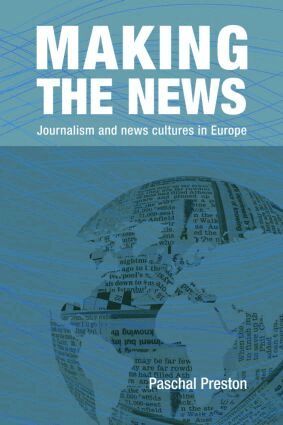
Making the News
provides a cross-national perspective on key features of journalism and news-making cultures and the changing media landscape in contemporary Europe. .Focusing on the key trends, practices and issues in contemporary journalism and news cultures, Paschal Preston maps the major contours of change as well as the broader industrial, organizational, institutional and cultural factors shaping journalism practices over the past two decades.
Moving beyond the tendency to focus on journalism trends and newsmaking practices within a single country, Making the News draws on unique, cross-national research examining current journalism practices and related newsmaking cultures in eleven West, Central and East European countries, including in-depth interviews with almost 100 senior journalists and subsequent workshop discussions with other interest groups
Making the News
links reviews and discussions of the existing literature to original research engaging with the views and experiences of journalists working at the ‘coal face’ of contemporary newsmaking practices, to provide an original study and useful student text.760 kr
Tillfälligt slut
303 kr
Tillfälligt slut