2 324 kr
Skickas inom 10-15 vardagar
2 324 kr
Skickas inom 10-15 vardagar
695 kr
Skickas inom 10-15 vardagar
2 311 kr
Skickas inom 10-15 vardagar
2 324 kr
Skickas inom 10-15 vardagar
650 kr
Skickas inom 10-15 vardagar
760 kr
Läs direkt efter köp
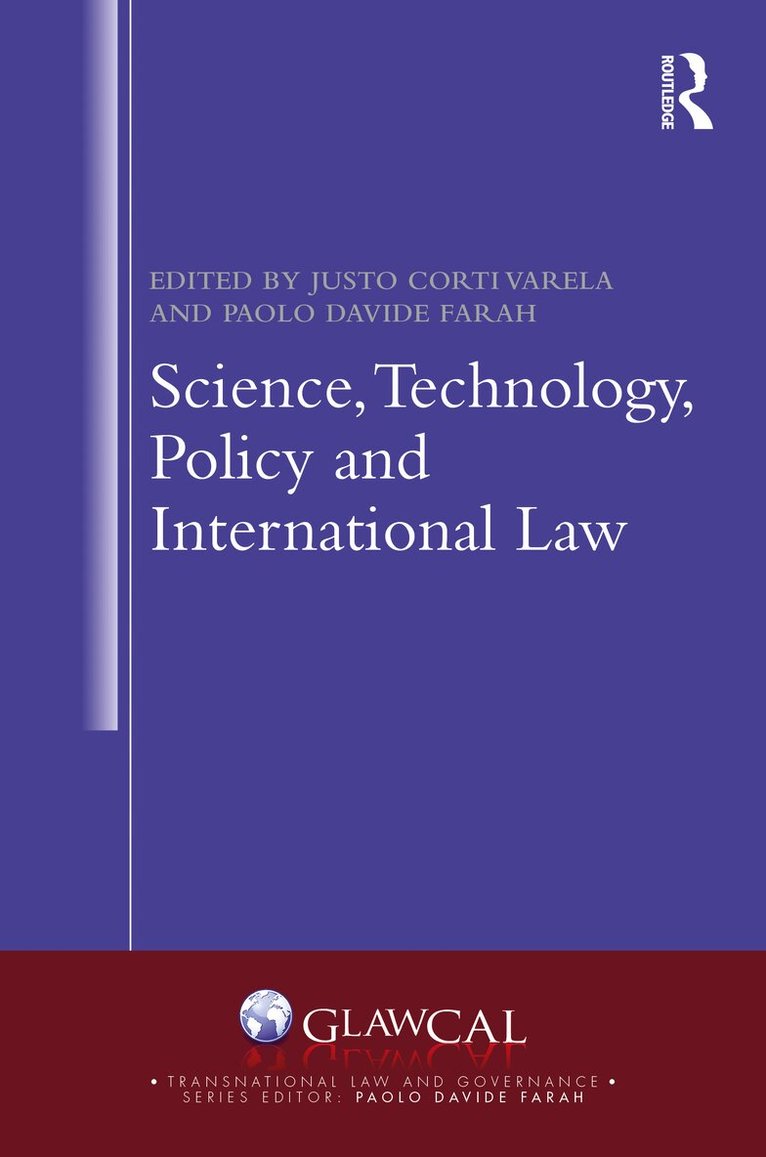
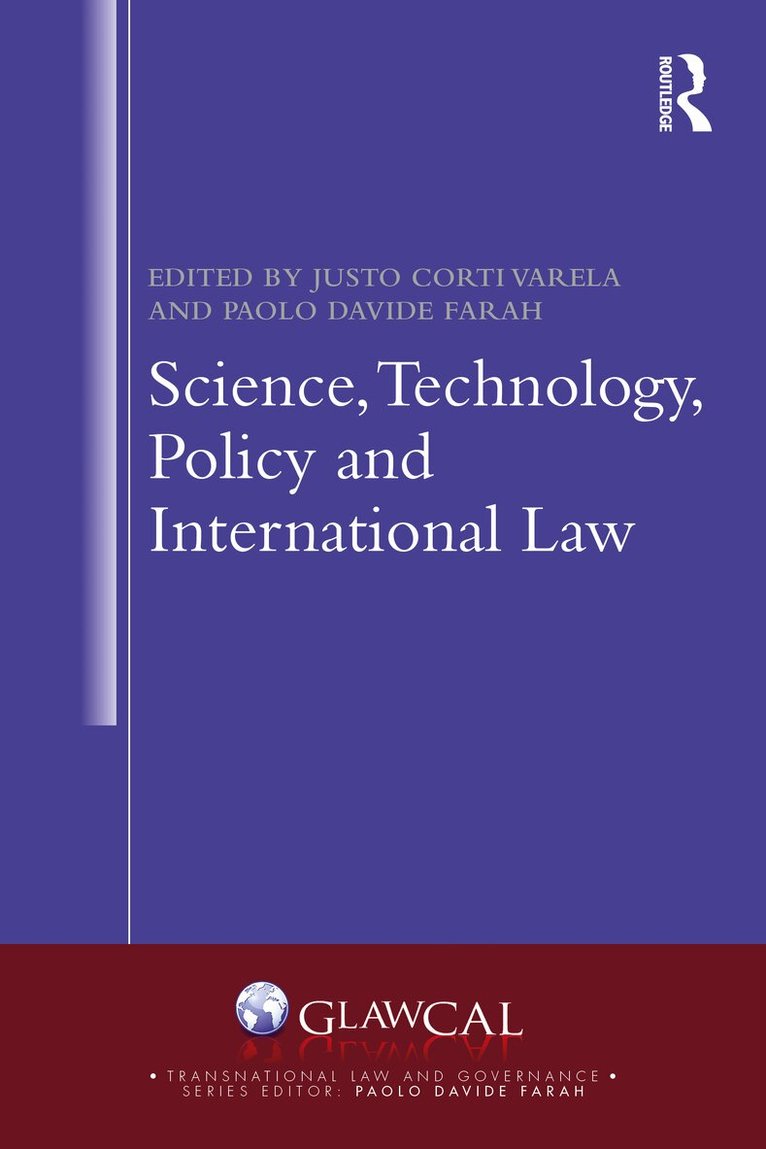
This book presents innovative insights into the intersections between science, technology, and society, and particularly their regulation by the law. Departing from the idea that law and science have similar methods and objectives, the book deals with problems, and solutions, that source from these interactions: concerns on how to integrate scientific evidence into trials, how to best regulate new technologies, or whether technological innovations could improve democratic legitimacy, create new regulatory tools or even new spaces of regulation, and what is the impact on the society. The edited collection, by building on a functionalist and comparatist approach, offers answers to how to best integrate law, science, and technology in policy-making and reviews the current attempts made at the transnational and international levels. Case studies, ranging from emerging technologies via environmental protection to statistics, are complemented by a solid theoretical framework, all of which seek to provide readers with tools for critical thinking in the reassessment of the relationship among theory, practice, political goals, and international regulation.
748 kr
Läs direkt efter köp
This book presents innovative insights into the intersections between science, technology, and society, and particularly their regulation by the law. Departing from the idea that law and science have similar methods and objectives, the book deals with problems, and solutions, that source from these interactions: concerns on how to integrate scientific evidence into trials, how to best regulate new technologies, or whether technological innovations could improve democratic legitimacy, create new regulatory tools or even new spaces of regulation, and what is the impact on the society. The edited collection, by building on a functionalist and comparatist approach, offers answers to how to best integrate law, science, and technology in policy-making and reviews the current attempts made at the transnational and international levels. Case studies, ranging from emerging technologies via environmental protection to statistics, are complemented by a solid theoretical framework, all of which seek to provide readers with tools for critical thinking in the reassessment of the relationship among theory, practice, political goals, and international regulation.
765 kr
Läs direkt efter köp
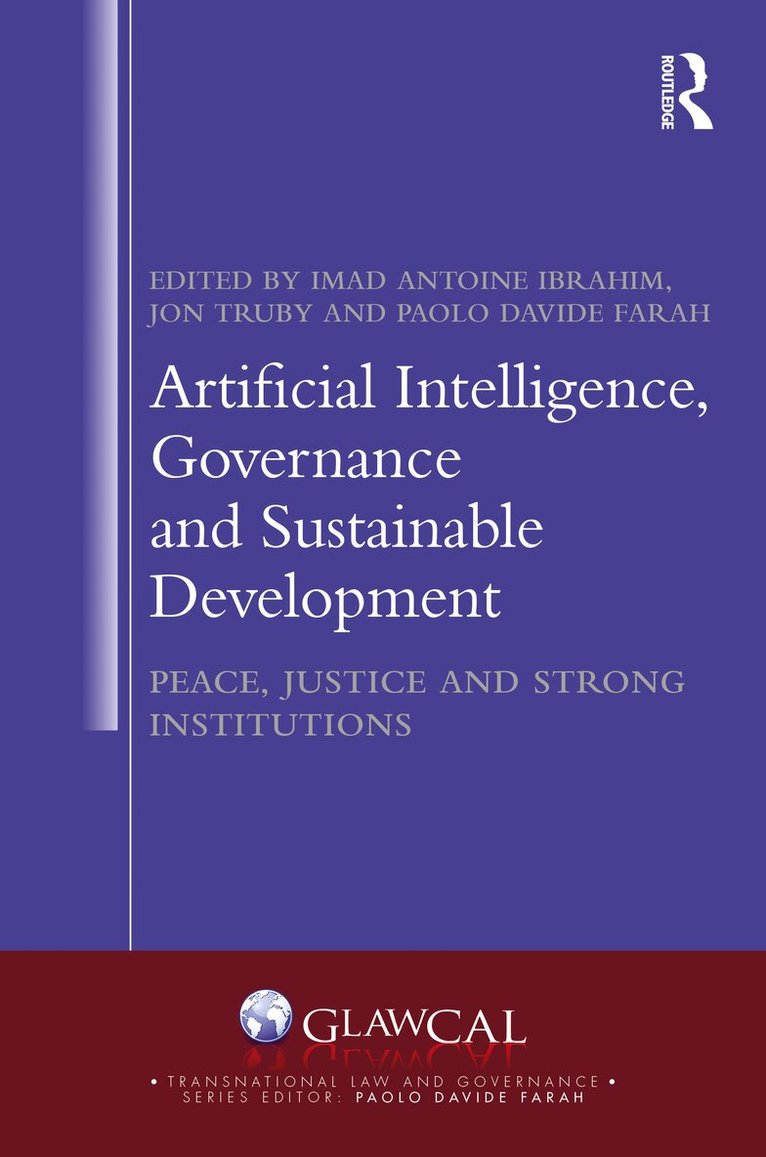
Considering the power and potential of AI and digital technologies, very few studies have systematically analysed their potential for realizing SDG16, despite the role they are expected to play in realizing the 2030 agenda. Exploring the problematic nature of artificial intelligence, this book explores the significant advantages AI offers for successfully implementing Sustainable Development Goal 16, and the potential to track progress and impact through machine learning. Focusing on governance, the book explores the potential of AI to meet the SDGs within the categories of the rule of law, criminal justice, and ethics and access to justice. Highlighting that the SDGs are a problematic human rights frame and have been critiqued as ignoring some major global disconnects when it comes to areas such as trade, the book explores the potential for the application of AI to the achievement of the SDGs to be equally problematic, and considers issues of techno-colonialism, information deficits and fundamental technological dependencies which could be exacerbated when AI meets the SDGs. Offering an analysis of the role of AI and governance in securing peace, development and security, this book will be of interest to students and academics with an interest in international law, political science and development.
748 kr
Läs direkt efter köp
Considering the power and potential of AI and digital technologies, very few studies have systematically analysed their potential for realizing SDG16, despite the role they are expected to play in realizing the 2030 agenda. Exploring the problematic nature of artificial intelligence, this book explores the significant advantages AI offers for successfully implementing Sustainable Development Goal 16, and the potential to track progress and impact through machine learning. Focusing on governance, the book explores the potential of AI to meet the SDGs within the categories of the rule of law, criminal justice, and ethics and access to justice. Highlighting that the SDGs are a problematic human rights frame and have been critiqued as ignoring some major global disconnects when it comes to areas such as trade, the book explores the potential for the application of AI to the achievement of the SDGs to be equally problematic, and considers issues of techno-colonialism, information deficits and fundamental technological dependencies which could be exacerbated when AI meets the SDGs. Offering an analysis of the role of AI and governance in securing peace, development and security, this book will be of interest to students and academics with an interest in international law, political science and development.