480 kr
Skickas inom 10-15 vardagar
480 kr
Skickas inom 10-15 vardagar
2 100 kr
Skickas inom 10-15 vardagar
Taylor & Francis Ltd
4 312 kr
Skickas inom 11-20 vardagar
2 091 kr
Skickas inom 10-15 vardagar
478 kr
Skickas inom 10-15 vardagar
2 463 kr
Skickas inom 10-15 vardagar
464 kr
Skickas inom 10-15 vardagar
535 kr
Läs direkt efter köp
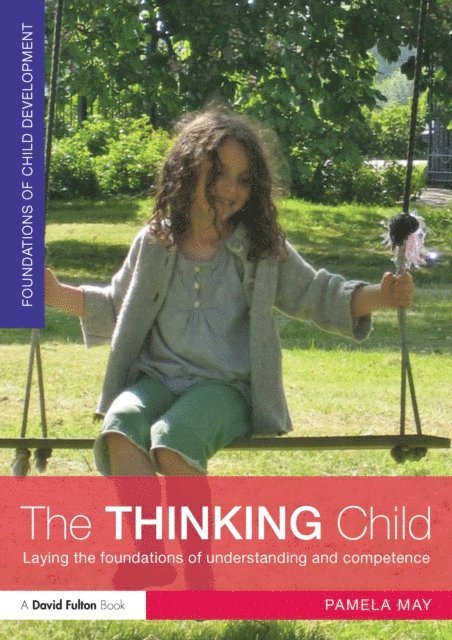
What characteristics do children need to become motivated to learn? How do children’s experiences and relationships affect their cognitive development? How do you provide learning experiences that meet the developmental needs of every child in your care?
The Thinking Child thoughtfully discusses the key principles of children’s cognitive and intellectual development alongside descriptions of everyday practice. It clearly explains the cognitive strategies that children use to learn new knowledge, the development of cognitive milestones such as symbolism, memories and the imagination, metacognition and creativity along with research into how the brain processes information.
Throughout the book, the author considers the key characteristics of effective learning and shows how play is one of the primary mechanisms that children use to access new knowledge and to consolidate their emerging ideas and concepts. These characteristics are then applied to integral aspects of early years practice to show how pracitioners can:
motivate children to learn new knowledge about themselves and the world around them;
help children to develop their own ideas creatively and use this knowledge as a base to learn new things;
reflect on their own teaching methods to encourage children’s engagement, motivation and creativity through effective observation and planning;
engage with parents and carers to help support children’s learning at home whilst maintaining the values of the family;
celebrate the uniqueness of each child and provide learning experiences that are appropriate for individuals with particular learning needs, be they physical, emotional or cognitive to ensure that every child has an equal opportunity to succeed.
Emphasising the importance of understanding the theory that underpins children’s cognitive development, this accessible text shows practitioners how they can use this knowledge to provide learning opportunities that nourish children’s thinking and creative skills.
539 kr
Läs direkt efter köp
What characteristics do children need to become motivated to learn? How do children’s experiences and relationships affect their cognitive development? How do you provide learning experiences that meet the developmental needs of every child in your care?
The Thinking Child thoughtfully discusses the key principles of children’s cognitive and intellectual development alongside descriptions of everyday practice. It clearly explains the cognitive strategies that children use to learn new knowledge, the development of cognitive milestones such as symbolism, memories and the imagination, metacognition and creativity along with research into how the brain processes information.
Throughout the book, the author considers the key characteristics of effective learning and shows how play is one of the primary mechanisms that children use to access new knowledge and to consolidate their emerging ideas and concepts. These characteristics are then applied to integral aspects of early years practice to show how pracitioners can:
motivate children to learn new knowledge about themselves and the world around them;
help children to develop their own ideas creatively and use this knowledge as a base to learn new things;
reflect on their own teaching methods to encourage children’s engagement, motivation and creativity through effective observation and planning;
engage with parents and carers to help support children’s learning at home whilst maintaining the values of the family;
celebrate the uniqueness of each child and provide learning experiences that are appropriate for individuals with particular learning needs, be they physical, emotional or cognitive to ensure that every child has an equal opportunity to succeed.
Emphasising the importance of understanding the theory that underpins children’s cognitive development, this accessible text shows practitioners how they can use this knowledge to provide learning opportunities that nourish children’s thinking and creative skills.
560 kr
Läs direkt efter köp
560 kr
Läs direkt efter köp
428 kr
Läs direkt efter köp
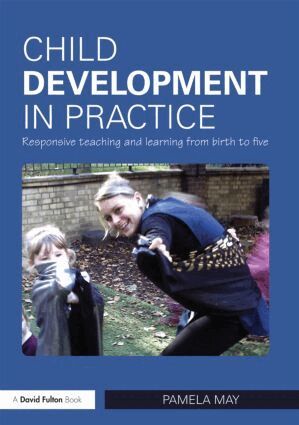
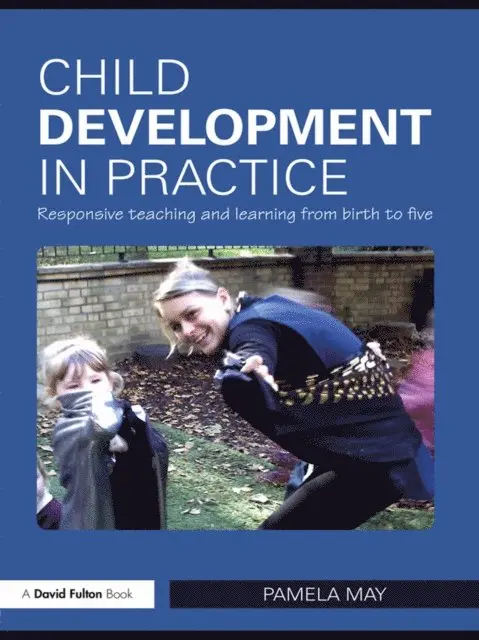
How should children feel about themselves and their learning? How do I know what children have learnt and how can I move them on? How can I ensure that resources are available for children to use actively and independently?
In today’s busy setting an understanding of child development sometimes gets overlooked, yet it lies at the heart of effective practice. Child Development in Practice provides an approachable, user-friendly base from which to plan ways of working with children that are developmentally appropriate and will enable them to learn enjoyably and effectively.
Drawing on recent research, the book thoughtfully discusses sound principles of child development alongside descriptions of every day practice. It then offers practical advice on how to fully utilise the key areas in an early years setting, including the creative area, books and stories and the outside, and shows how to plan and implement integrated topics where teaching is cross-curricular and holistic. Throughout, a series of key questions are presented to encourage practitioners to reflect on why they are teaching in certain ways and increase their understanding of children’s developmental needs.
Directly linking theory and practice, this book aims to give students and practitioners the knowledge and confidence they need to help children become active, interactive and independent learners.
435 kr
Läs direkt efter köp
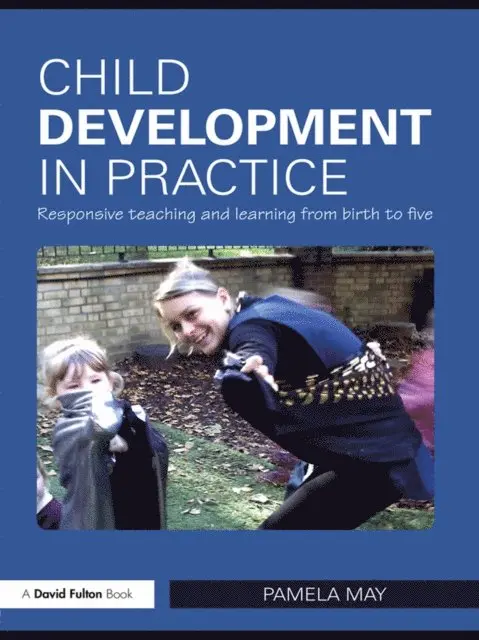
How should children feel about themselves and their learning? How do I know what children have learnt and how can I move them on? How can I ensure that resources are available for children to use actively and independently?
In today’s busy setting an understanding of child development sometimes gets overlooked, yet it lies at the heart of effective practice. Child Development in Practice provides an approachable, user-friendly base from which to plan ways of working with children that are developmentally appropriate and will enable them to learn enjoyably and effectively.
Drawing on recent research, the book thoughtfully discusses sound principles of child development alongside descriptions of every day practice. It then offers practical advice on how to fully utilise the key areas in an early years setting, including the creative area, books and stories and the outside, and shows how to plan and implement integrated topics where teaching is cross-curricular and holistic. Throughout, a series of key questions are presented to encourage practitioners to reflect on why they are teaching in certain ways and increase their understanding of children’s developmental needs.
Directly linking theory and practice, this book aims to give students and practitioners the knowledge and confidence they need to help children become active, interactive and independent learners.
2 473 kr
Skickas inom 10-15 vardagar
494 kr
Skickas inom 10-15 vardagar
177 kr
Skickas inom 7-10 vardagar