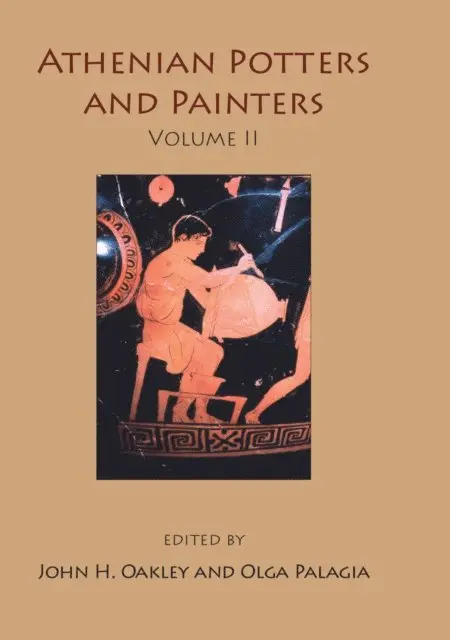
This volume presents the proceedings of the second Athenian Potters and Painters conference, which was held at the American School of Classical Studies, Athens 2007. Together with the 1994 conference (Volume I, Oxbow 1997), these are the first of their kind - focusing purely on Athenian pottery and addressing key aspects of its study. The thirty-two papers contained here are the result not only of a large amount of new material but also the dynamic appearance of a younger generation of scholars dealing with the subject. Subject areas range from the study of the potters and painters themselves, to shape, subject matter, chronology, export, excavation pottery, context, and the influence of Athenian vases on pottery from other regions of the Mediterranean and vice versa. Three papers in Greek.
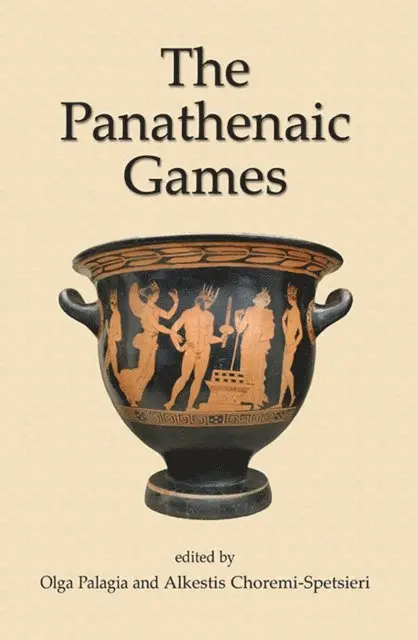
The papers in this volume were presented at an international conference organised in Athens (May 11-14, 2004) and focus on the study of the Panathenaic Games, a Panhellenic athletic event that lasted for nearly a millennium. An international assembly of archaeologists, art historians, ancient historians, epigraphists and classical scholars contributed to the discussion of the origins and the historical development of the Panathenaic Games in general and of individual contests in particular. The role of royal and other patrons in the Hellenistic and Roman periods, as well as the form and meaning of victory dedications and other monuments generated by the games were also examined, making this a truly interdisciplinary study into this fascinating event. Two papers are in Greek."This handsomely-illustrated conference volume is the first to concentrate exclusively on the games." Jackson, Journal of Hellenic Studies"A handsome, well-illustrated, large-format volume of the proceeding, mostly in English, of a conference held in Athens in 2004 in connection with the modern Olympics." - Tsetskhladze, Ancient West & East
For a century following the end of the Lamian War in 322 B.C., Athens'' harbour at Pireus was almost constantly occupied by a Macedonian garrison. The Macedonian presence dealt a crucial blow to Athenian independence and Athenian democracy, initiating the first in a long and intermittent series of foreign occupations. The twenty-eight papers in this volume are based on an international conference hosted by the University of Athens in May 2001, and focus on various aspects of Athenian art, archaeology and history in the century of Macedonian domination. They consider Athens'' new role as a political stepping stone for potential Successors to the throne of Macedon - Cassander, Demetrios Poliorketes and Antigonos Gonatas were each able to secure Macedonia by using Athens as a power base - and the ways in which Athenian culture was affected by the Macedonian presence. They contribute to the ongoing debate about the reasons for the Macedonian ascendancy, the degree of independence accorded Athens by their Macedonian overlords, the third-century archon list, and changes in Athenian art and architecture.
Essays describing recent research and new discoveries of Hellenistic sculpture, based on papers presented at an international conference at the American School of Classical Studies at Athens in 1996.
This volume of 15 papers is a tribute to Petros Themelis for his significant contribution to Greek archaeology and especially to the excavation, study and conservation to the ancient site of Messene in the Peloponnese. An international cast of scholars has contributed essays on a wide range of subjects (Greek sculpture, epigraphy and architecture), which reflect the interests of the honorand. New, previously unpublished material from Messenia, Athens and elsewhere is here presented for the first time. The geographical and chronological range of the contributions to this book extends from the Geometric period to the Roman Empire and from Macedonia to Crete and Magna Graecia.
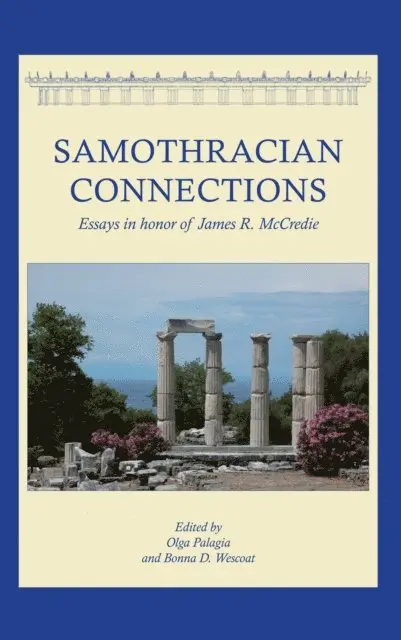
This volume of sixteen papers is dedicated to James R. McCredie in celebration of his outstanding contribution to the excavation and study of the sanctuary of the Great Gods on the Greek island of Samothrace. The papers focus mainly on the art and archaeology of Samothrace, while two contributions discuss Alexandria in Egypt and Florina in Macedonia, two areas that were closely connected with Samothrace in antiquity. The volume covers the latest research on the architecture, sculpture, pottery, epigraphy and cult of the sanctuary of the Great Gods on Samothrace, and contains many original architectural drawings and photos of previously unpublished material.