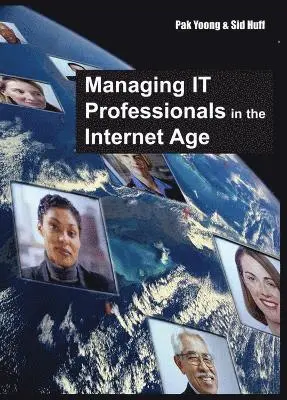
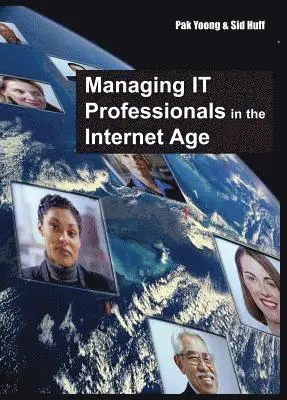
The nature of information technology work has changed dramatically in the past decade. The rise of the Internet has driven massive shifts in both what IT people are asked to do, and how they are required to do it. The Internet has made possible such far-reaching phenomena as electronic commerce, outsourcing and offshoring, new styles of programming and system development, virtual work, virtual communities, and real-time communications. Managing IT Professionals in the Internet Age explores these impacts, and the ways in which the work life of IT professionals - from the perspectives of both the individual worker, as well as managers - has had to change and adapt to the Internet Age.
In digital enterprise, individuals use a variety of technologies to assist them in communicating, collaborating, and coordinating their activities across distance and time, enhancing workflow expertise and communications. ""Leadership in the Digital Enterprise: Issues and Challenges"" presents a comprehensive collection of the most current research on various aspects, roles, and functions of digital enterprises. A compendium of latest industry findings and advancements, this Premier Reference Source provides researchers, academicians, and practitioners with useful theories and references in topics such as e-business, knowledge management, and enterprise planning.
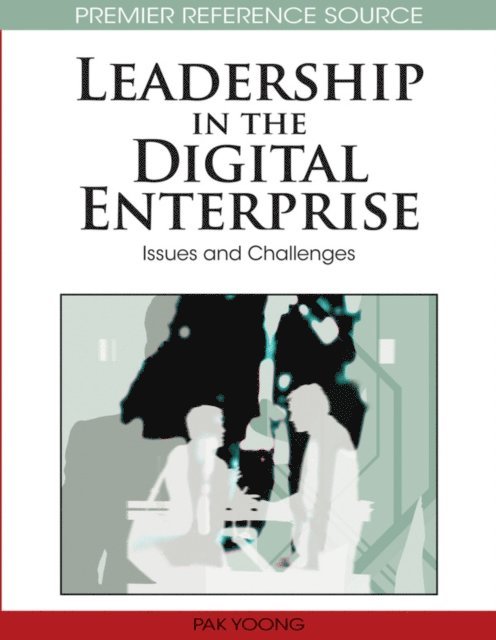
In digital enterprise, individuals use a variety of technologies to assist them in communicating, collaborating, and coordinating their activities across distance and time, enhancing workflow expertise and communications. Leadership in the Digital Enterprise: Issues and Challenges presents a comprehensive collection of the most current research on various aspects, roles, and functions of digital enterprises. A compendium of latest industry findings and advancements, this Premier Reference Source provides researchers, academicians, and practitioners with useful theories and references in topics such as e-business, knowledge management, and enterprise planning.