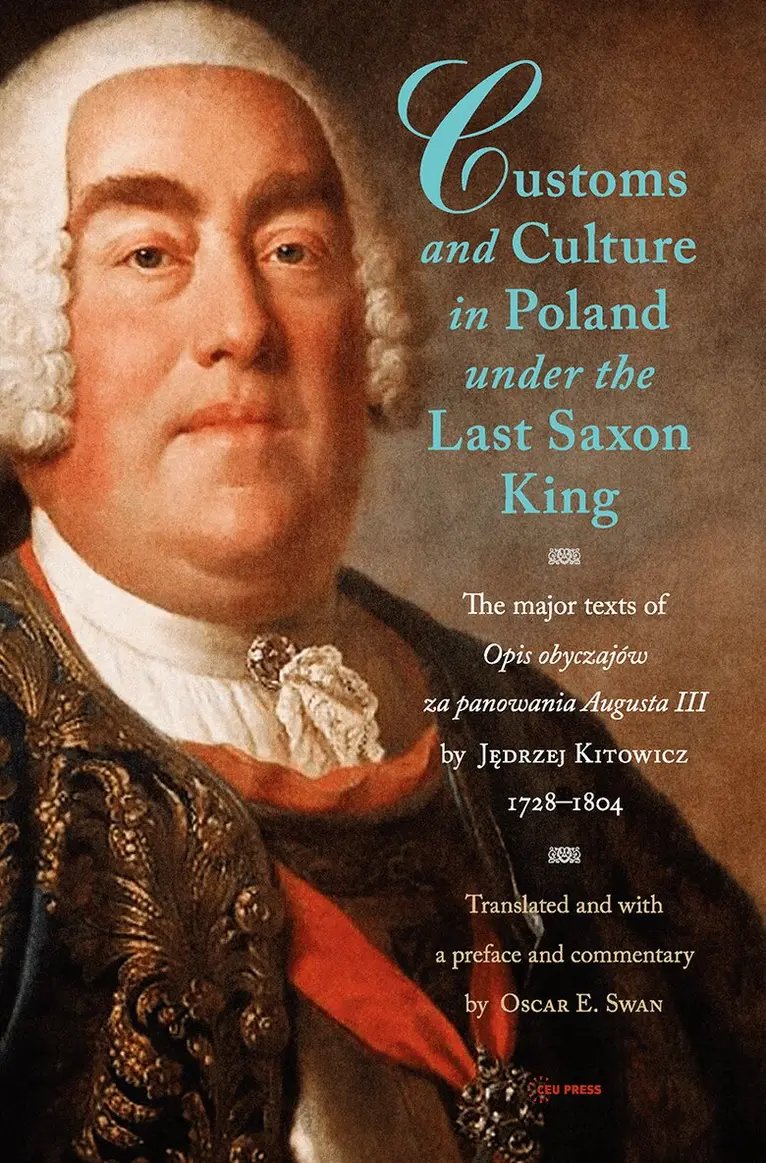
Jedrzej Kitowicz was a parish priest in central Poland with a military and worldly past. In his later years, after putting the affairs of his parish in order, he composed a colorful chronicle of all aspects and walks of life under King August III. He seems to have written mostly from memory, creating in the process the most complete record that exists of society in eighteenth-century Poland. A man with omnivorous tastes, a keen sense of observation, and a wry - at times bawdy - sense of humor, Kitowicz’s realistic and robust literary technique has been compared in its earthiness and evocativeness to Flemish genre painting. A noteworthy example of eighteenth-century writing and narrative talent, his Opis reveals an astounding visual memory and a modern ethnographer’s eye for material culture. The present book consists of fifty-one chapters, including all of the most celebrated ones, from Father Kitowicz’s Opis, complete with a comprehensive introduction. Topics include religious beliefs, customs and institutions, child-rearing, education, the judiciary and the military. Particularly vivid are the descriptions of the lives of the nobility, ranging from cooking through men’s and women’s wear to household entertainments and drinking habits. A commentary by the editor introduces each chapter.
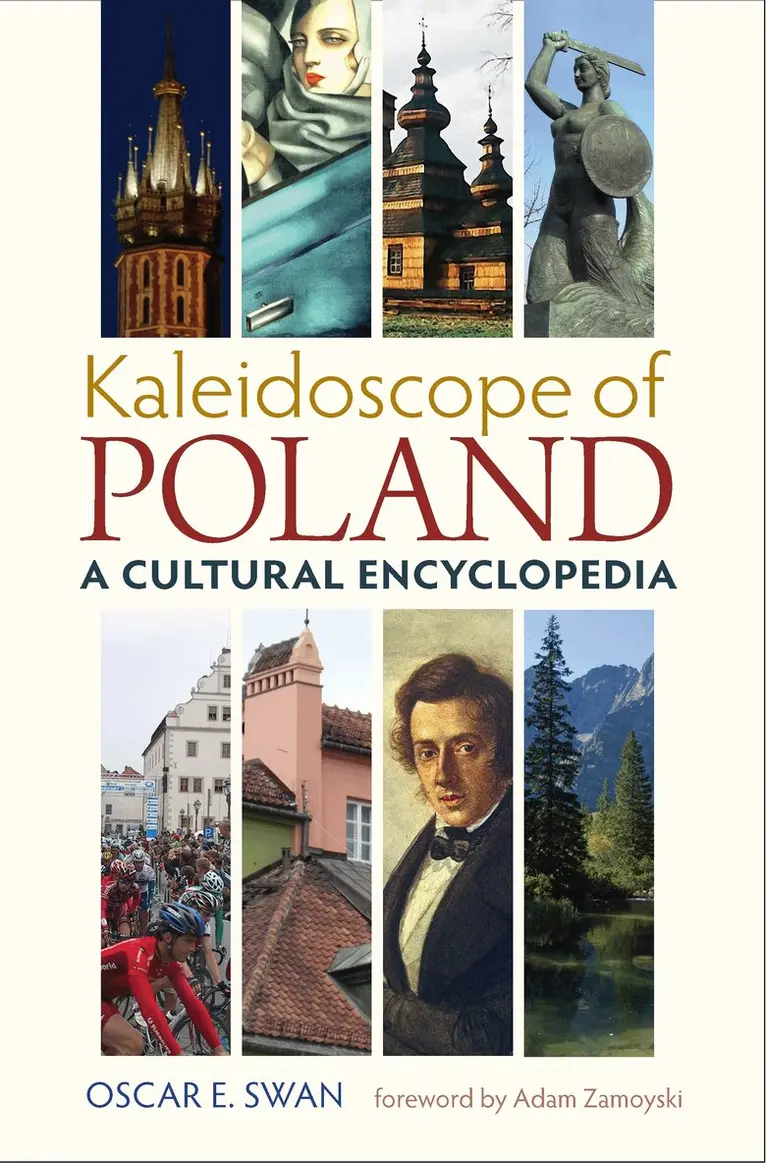
Foreword by Adam ZamoyskiKaleidoscope of Poland is a highly readable volume containing short articles on major personalities, places, events, and accomplishments from the thousand-year record of Polish history and culture. Featuring hundreds of entries and illustrations, it provides a handy reference at home, a perfect supplement to guide books when traveling, an aid to language study, or it can be browsed with enjoyment by anyone with an interest in Poland.Whether it is bagels or the Bug River, Chopin or Madame Curie, the book offers colorful and often witty snapshots of significant individuals, customs, folklore, historic events, phrases, places, geography, and much, much more. Beginning with the emergence of the Polish state in 966 under Mieszko I, to the resurrection of present-day Poland within the European Union, it's also a sweeping account of the tumult and triumphs the nation has witnessed through much of its history.This entertaining yet informative book is essentially a "cultural dictionary"—offering a knowledge base that can be referred to time and time again. It will be welcomed by readers of Polish descent, students of Polish, or those planning to visit Poland—anyone seeking a greater insight into this fascinating land.