365 kr
Skickas inom 10-15 vardagar
365 kr
Skickas inom 10-15 vardagar
203 kr
Skickas inom 7-10 vardagar
312 kr
Skickas inom 10-15 vardagar
230 kr
Skickas inom 7-10 vardagar
741 kr
Skickas inom 7-10 vardagar
274 kr
Skickas inom 7-10 vardagar
308 kr
Läs direkt efter köp
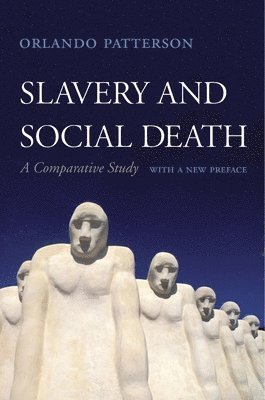
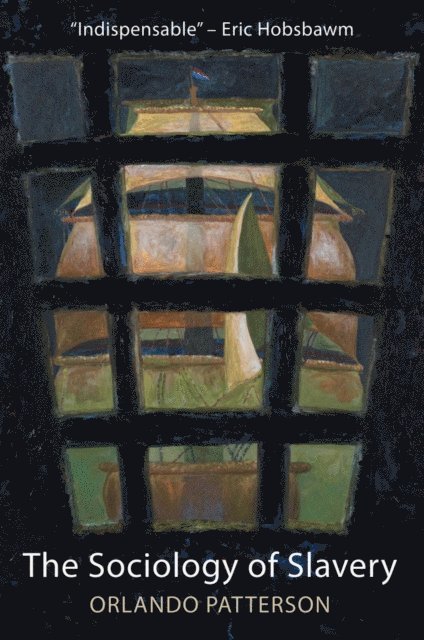
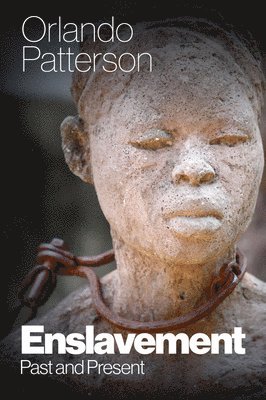
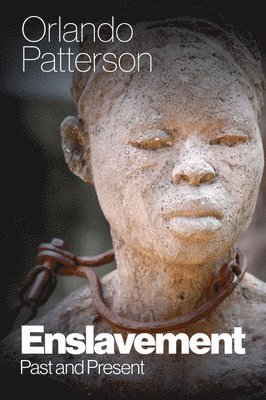
Orlando Patterson’s classic study of slavery in Jamaica reveals slavery for what it was: a highly repressive and destructive system of human exploitation, which disregarded and distorted almost all of the basic prerequisites of normal social life. What distinguishes Patterson''s account is his detailed description of the lives and culture of slaves under this repressive regime. He analyses the conditions of slave life and work on the plantations, the psychological life of slaves and the patterns and meanings of life and death. He shows that the real-life situation of slaves and enslavers involved a complete breakdown of all major social institutions, including the family, gender relations, religion, trust and morality. And yet, despite the repressiveness and protracted genocide of the regime, slaves maintained some space of their own, and their forced adjustment to white norms did not mean that they accepted them. Slave culture was characterized by a persistent sense of resentment and injustice, which underpinned the day-to-day resistance and large-scale rebellions that were a constant feature of slave society, the last and greatest of which partly accounts for its abolition.
This second edition includes a new introduction by Orlando Patterson, which explains the origins of the book, appraises subsequent works on Jamaican slavery, and reflects on its enduring relevance. Widely recognized as a foundational work on the social institution of slavery, this book is an essential text for anyone interested in the role of slavery in shaping the modern world.
693 kr
Skickas inom 3-6 vardagar
272 kr
Skickas inom 7-10 vardagar
310 kr
Läs direkt efter köp
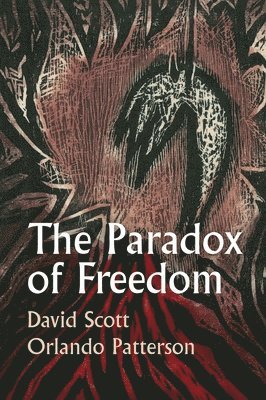
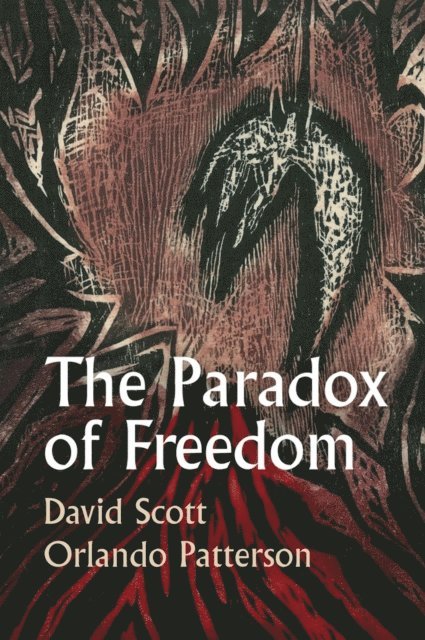
The Paradox of Freedom is an exploration of the life and work of Orlando Patterson, probing the relationship between the circumstances of his life from their beginnings in rural Jamaica to the present and the complex development of his intellectual work. A novelist and historical sociologist with an orientation toward public engagement, Patterson exemplifies one way of being a Jamaican and Black Atlantic intellectual.
At the generative center of Patterson’s work has been a fundamental inquiry into the internal dynamics of slavery as a mode of social and existential domination. What is most provocatively significant in his work on slavery is the way it yields a paradoxical insight into the problem of freedom – namely, that freedom was born existentially and historically from the degradation and parasitic inhumanity of slavery and was as much the creation of the enslaved as of their enslavers.
The Paradox of Freedom elucidates the pathways by which Patterson has both uncovered the relationship between domination and freedom and engaged intellectually and publicly with the struggles for equality and decolonization among descendants of the enslaved. It will be of great interest to students and scholars throughout the humanities and social sciences and to anyone interested in the work of one of the most important public intellectuals of our time.
764 kr
Skickas inom 7-10 vardagar
280 kr
Skickas inom 7-10 vardagar
310 kr
Läs direkt efter köp
897 kr
Läs direkt efter köp
334 kr
Skickas inom 7-10 vardagar
213 kr
Skickas
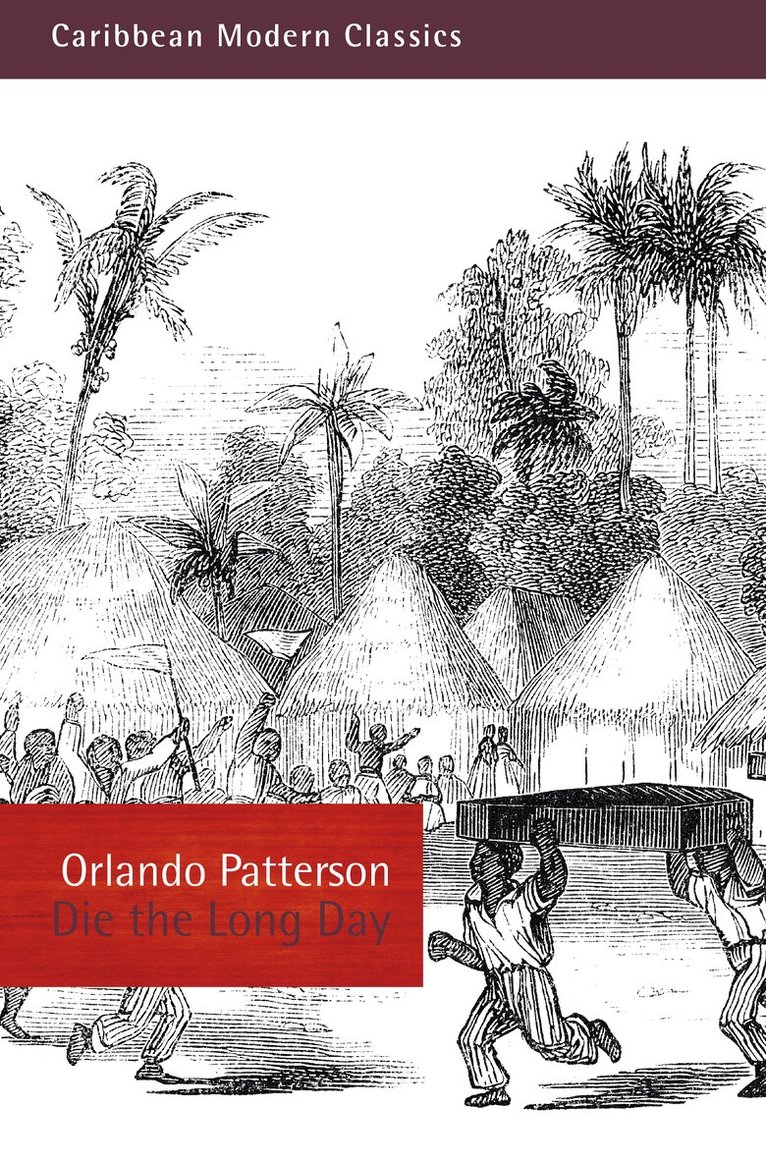
Written by the New York Times, on publication of Die the Long Day:
Institutions, in West Indian society, were created by slavery and colonialism, for a small elite. When a new Elite, however, began to emerge, the peasant majority began to understand their former white rulers through the black imitators who succeeded them. The peasant at this stage also recognized that the institutions sustaining the black elite were even more vulnerable than the ones that had upheld the white one; that these borrowed institutions could be co‐opted, transformed and finally destroyed if necessary. A mass demonstration, an election or a coup d'etat can topple one ruling element and bring another into being. It is not that the people are unstable so much as the institutions they inherited.
Orlando Patterson in “Die the Long Day,” a novel set on a Jamaican sugar plantation in the 18th century, throws new light on this unstable situation and on the subtleties of the master‐slave relationship. In so doing, he gives a better understanding of contemporary West Indian society. For it is as if this society is bent on proving that those who ignore the past will be forced to relive it; as if the passing of two centuries has only deepened the conflicts, by presenting them over and over again in different guises.
The novel begins with a muted, sensuous description of the landscape around the plant‐, tion, and then Quasheba, a slave appears. She is running for her life. She had tried to prevent her daughter Polly from being hired out to a plantation owner. “Don't make him touch you,” she had warned, “even if you have to kill ‘im.... Make then do what they want after. You will be just as good as dead if ‘im touch you anyway.” The owner was known to have syphilis, and Quasheba “dreaded the disease.... for her own mother had died of it and she had to look after her during her last days.”

185 kr
Skickas inom 7-10 vardagar
348 kr
Tillfälligt slut
139 kr
Tillfälligt slut
126 kr
Tillfälligt slut