598 kr
Skickas inom 10-15 vardagar
598 kr
Skickas inom 10-15 vardagar
2 069 kr
Skickas inom 10-15 vardagar
651 kr
Läs direkt efter köp
647 kr
Läs direkt efter köp
622 kr
Skickas inom 7-10 vardagar
1 101 kr
Skickas inom 7-10 vardagar
436 kr
Läs direkt efter köp
622 kr
Skickas inom 7-10 vardagar
1 101 kr
Skickas inom 7-10 vardagar
579 kr
Läs direkt efter köp
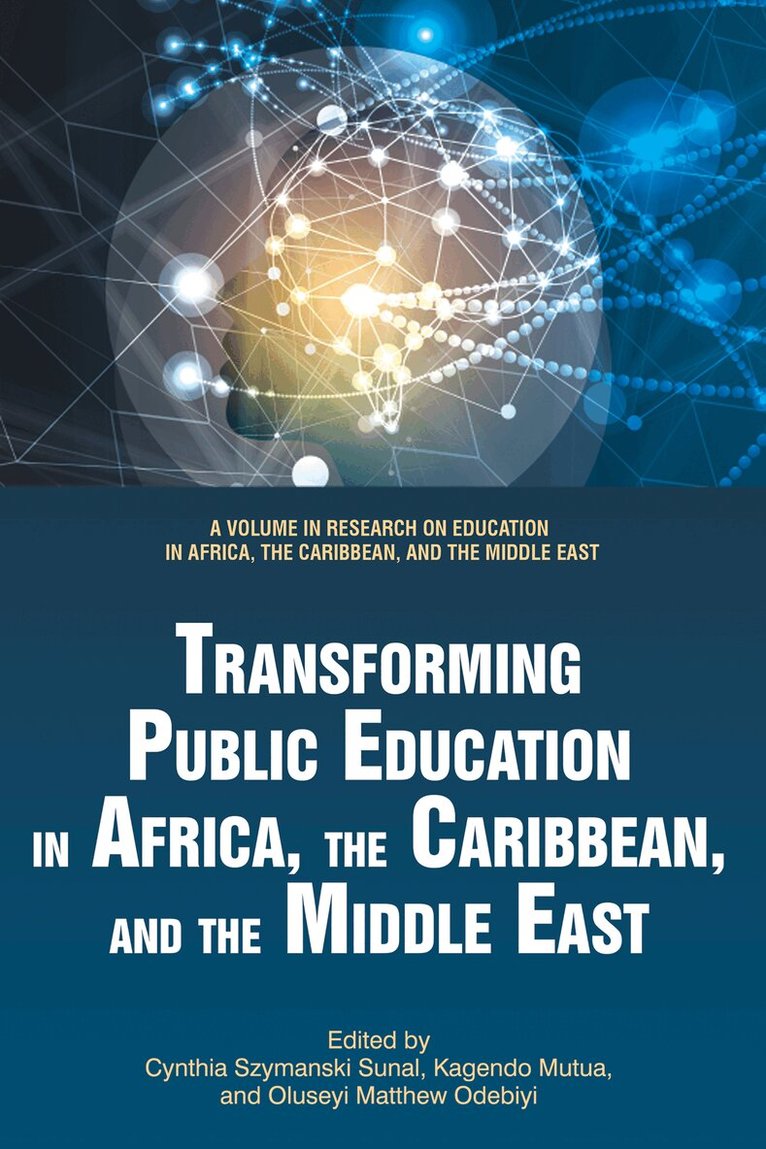
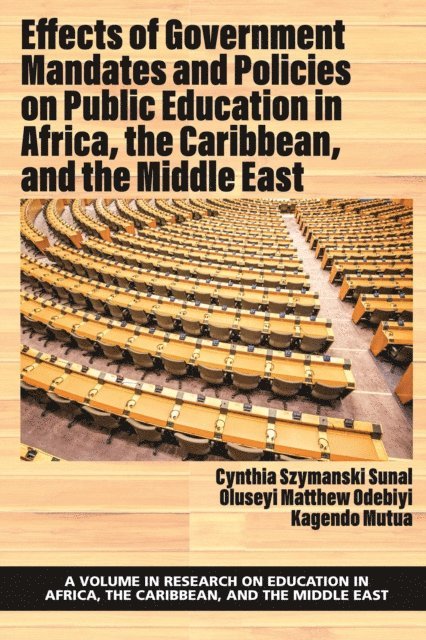
As the demand for education at all levels has increased, so have the models of meeting these increased demands for education. As in many other parts of the world, public education has expanded to serve large populations across the regions of Africa, the Caribbean, and the Middle East. Many nations in these regions have instituted mandates, policies, and frameworks intended to simultaneously increase access to public education opportunities as well as improve the quality of education provided and to address a wide populace. Because the increase in educational demand has occurred at all levels, these efforts often address various levels of education from early childhood through primary schooling, junior secondary and secondary schooling and into tertiary education. Efforts also have been made to increase participation in education by marginalized and/or special populations. The range of efforts is large with some focusing on involving migrants/immigrants/refugees in primary education while others aim at opening up choices at the university level.
Recently, nations in the region have recognized the possibilities of digital learning (online learning) as cell phones and other widely used portable wireless devices have made it possible to sell the idea that one can learn from anywhere at any time. This widespread access to technology has made it possible for governments as well as private entities to expand learning opportunities even to populations previously unreached or to address difficult to reach sectors of the population. At the same time, the population itself has not only increased in numbers but in diversity. Maintaining quality through digital and other means of quick expansion of educational opportunities continues to be challenging if not problematic.
Effects of Government Mandates and Policies on Public Education in Africa, the Caribbean, and the Middle East is Book IX of the series, Research on Education in Africa, the Caribbean, and the Middle East. Chapters document, describe and/or raise critical issues and/or questions resulting from government policies, mandates and frameworks intended to make available public education to an ever-growing populace while at the same time being mindful of improving quality of education being availed to an increasingly diverse populace.
669 kr
Läs direkt efter köp
669 kr
Läs direkt efter köp
594 kr
Läs direkt efter köp
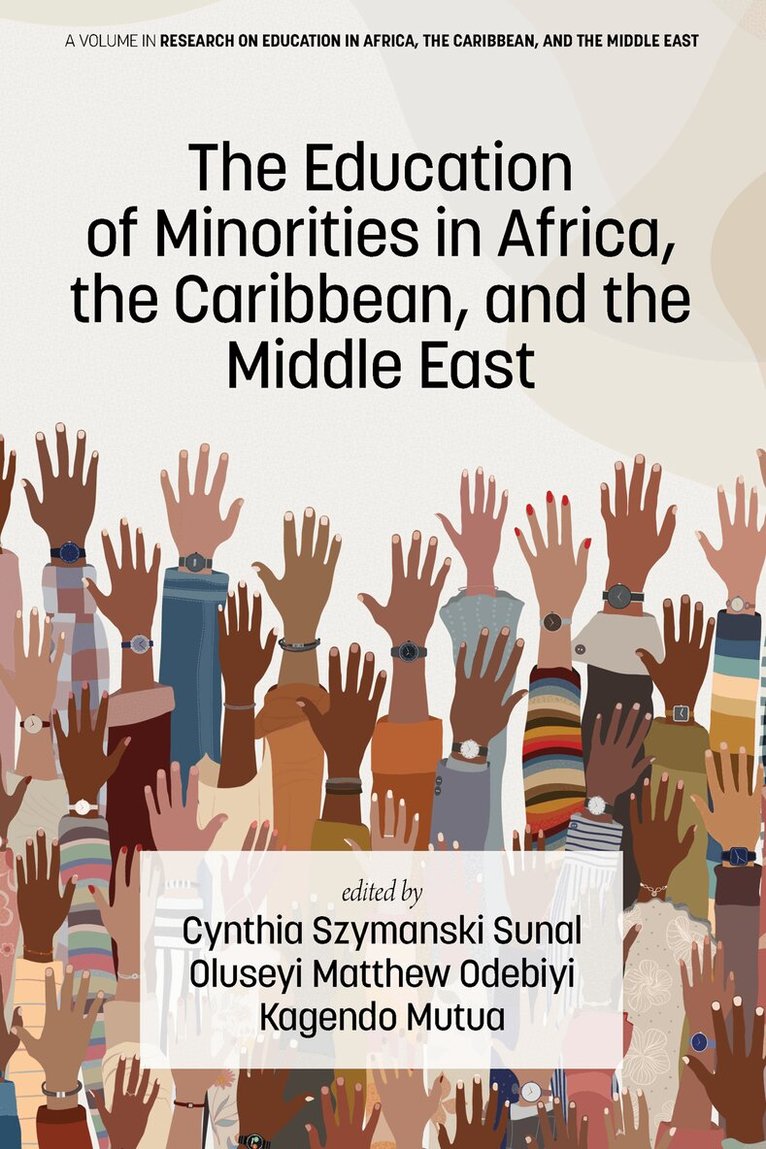
Educators have focused on creating and adapting curriculum content and pedagogy to reflect the diverse backgrounds of their minority students. Parallel to public school curricula, some minority groups have created and introduced curricula and pedagogy to maintain, honor, and develop their group''s identity. The scope of these efforts is large and covers different levels of education from early childhood to university. It also covers a wide range of social forms such as ethnicity, class, gender, and ability/ disability. Because these efforts involve possibilities and challenges, discourses on the education of minorities are complex. Mainstream reports may be far removed from how minorities actually experience the educational contexts in African, the Caribbean, and the Middle East.
We are seeing different dynamics in what it means to educate all students in these regions. Understanding the functions of curriculum and instruction to provide educational opportunities is essential. Addressing the inclusion and possible marginalization of minorities in public education systems in these world regions continues to be challenging, if not problematic.
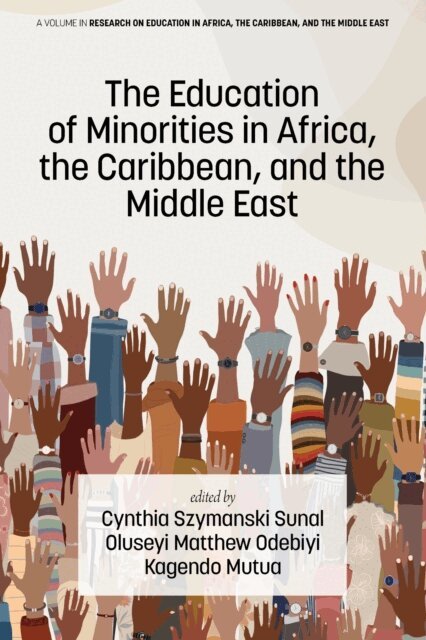
In this book, The Education of Minorities in Africa, the Caribbean, and the Middle East; educational researchers document, describe, and/or raise critical issues and questions on efforts intended to make relevant and appropriate public education available to minorities in the regions.
552 kr
Skickas inom 7-10 vardagar
1 028 kr
Skickas inom 7-10 vardagar
581 kr
Läs direkt efter köp
Educators have focused on creating and adapting curriculum content and pedagogy to reflect the diverse backgrounds of their minority students. Parallel to public school curricula, some minority groups have created and introduced curricula and pedagogy to maintain, honor, and develop their group''s identity. The scope of these efforts is large and covers different levels of education from early childhood to university. It also covers a wide range of social forms such as ethnicity, class, gender, and ability/ disability. Because these efforts involve possibilities and challenges, discourses on the education of minorities are complex. Mainstream reports may be far removed from how minorities actually experience the educational contexts in African, the Caribbean, and the Middle East.
We are seeing different dynamics in what it means to educate all students in these regions. Understanding the functions of curriculum and instruction to provide educational opportunities is essential. Addressing the inclusion and possible marginalization of minorities in public education systems in these world regions continues to be challenging, if not problematic.
In this book, The Education of Minorities in Africa, the Caribbean, and the Middle East; educational researchers document, describe, and/or raise critical issues and questions on efforts intended to make relevant and appropriate public education available to minorities in the regions.