This volume presents the results of research carried out by the Swedish Institute in Rome in the Roman church of San Lorenzo in Lucina. This research involved the Roman phases of the site and the surrounding quarter. The research began with the 1993–1998 excavation of the baptistery of the Early Christian church, and continued in 2000 with a project which also included other parts, aspects and periods of the site. The papers in this volume shed new light on the Late Roman and post-Antique development of an area which is between Augustan monuments such as the Ara Pacis, the Mausoleum of Augustus, the obelisk and its meridian. The papers include studies on the early 3rd century insula beneath the church, the baptistery and the Early Christian basilica, as well a survey of hagiographic legends, medieval wall-paintings, and other finds such as inscriptions and graffiti, pottery, glass, marble, bones and spolia. Reports on the conservation on fragments of Roman wall-paintings and marble fragments are also included.
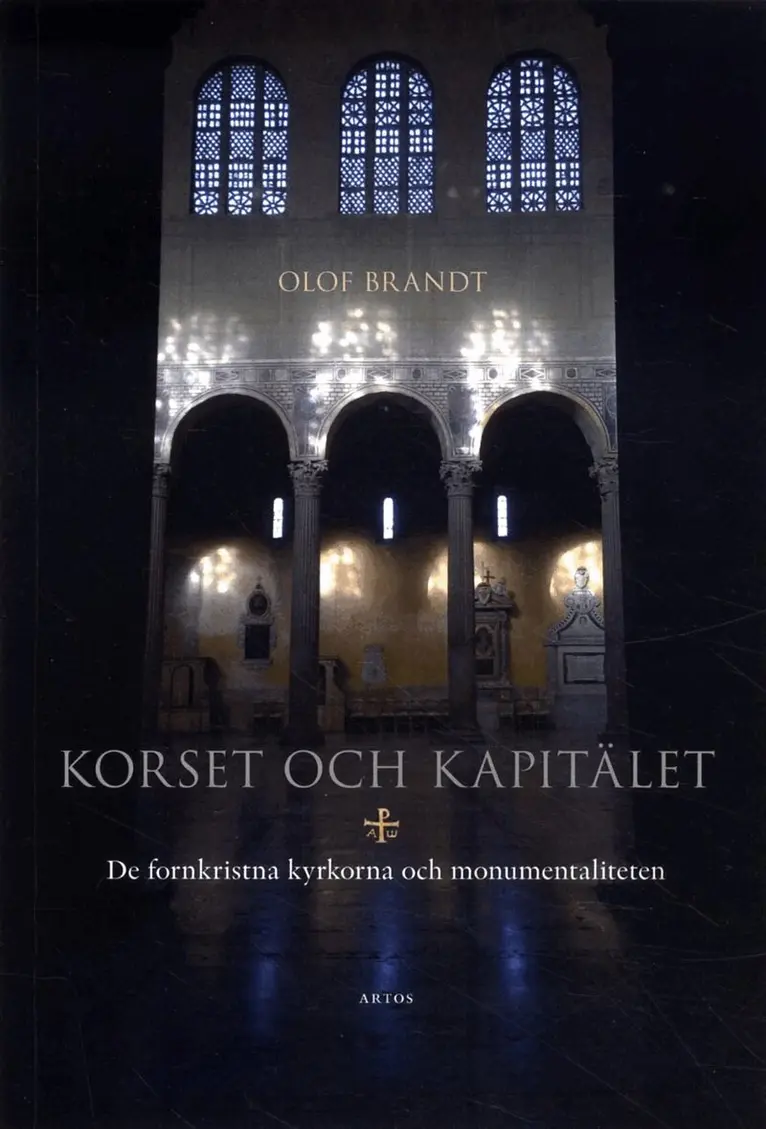
Vad avgör hur en kyrka ser ut? Beror det på gudstjänst, teologi eller samtida kultur? För att gå till botten med vad som gör en kyrka till en kyrka måste man gå tillbaka till den tidigkristna arkitekturen. Hur gick det till när man för första gången byggde kyrkor som såg ut som kyrkor? Frågan handlar om den tidens kristna och deras förhållande till samtidens kultur. I den här boken berättar författaren om hur de kristna använde och till viss del anpassade monumentalarkitektur för sin gudstjänst, en gudstjänst som inte tycks ha avgjort byggnadens form. Han visar att förhållandet mellan tidigkristna kyrkor och monumentaliteten handlar om den tidens kristnas förhållande till samtidens högsta kulturyttringar, och om spänningen mellan en »kristen kultur« å ena sidan och de kristnas deltagande i samtidens kultur å den andra. Boken är en unik framställning på svenska av tidigkristen arkitektur. Olof Brandt är professor i tidigkristen arkitektur vid Påvliga institutet för kristen arkeologi i Rom.