497 kr
Skickas inom 7-10 vardagar
497 kr
Skickas inom 7-10 vardagar
500 kr
Läs direkt efter köp
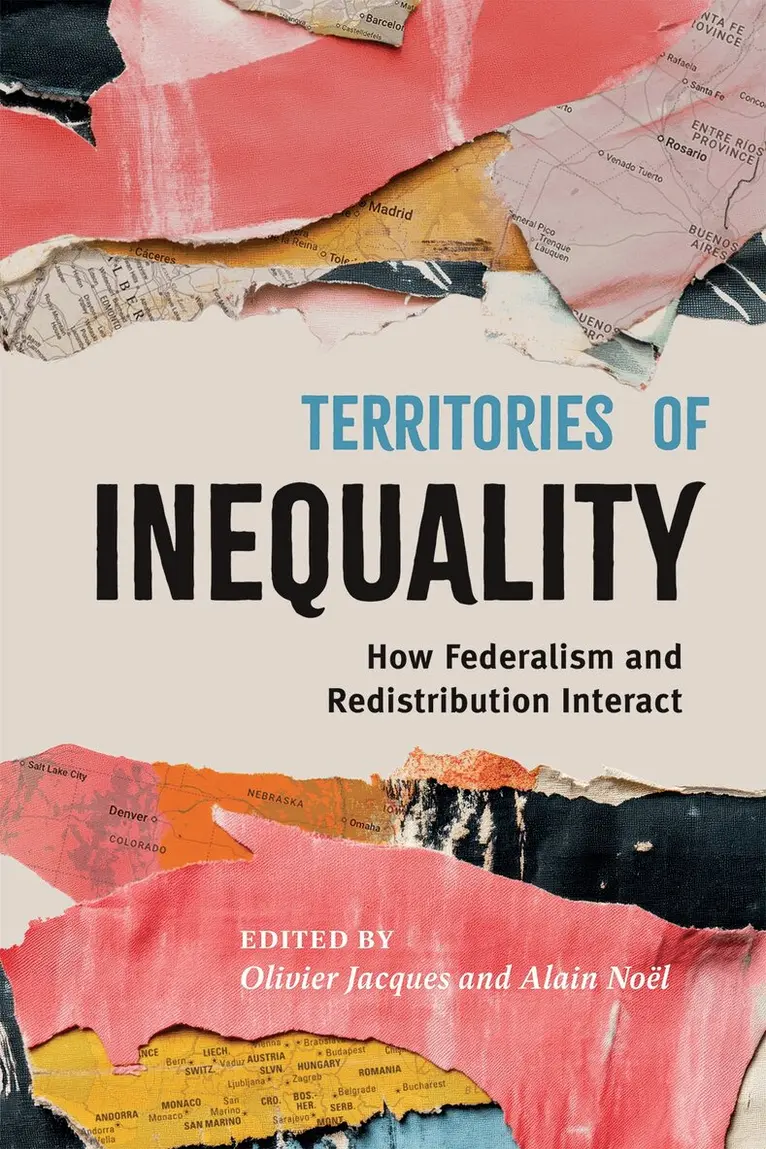
The rise of income and wealth inequality and the possibilities of redistribution animate contemporary social and political debates, but much of the scholarship on the issue is limited to the individual level. There is a spatial dimension to the redistribution of income, however, and in federations, this is especially important.
In Territories of Inequality leading political scientists propose a territorial approach to inequality and redistribution, informed by political economy, political geography, and a comparative analysis of federalism and multilevel governance. Chapters explore the relationship between interpersonal and interregional redistribution, the role of progressive or regressive governing coalitions, and the foundations of individual preferences for or aversions to interregional redistribution. They consider different federations and quasi-federations and emphasize the unique situation of Indigenous Peoples, who navigate a complex relationship with institutions shaped by colonialism.
Examining how decentralization and federalism influence policy outcomes and public preferences, Territories of Inequality provides new ways to approach the question of redistribution.
500 kr
Läs direkt efter köp
The rise of income and wealth inequality and the possibilities of redistribution animate contemporary social and political debates, but much of the scholarship on the issue is limited to the individual level. There is a spatial dimension to the redistribution of income, however, and in federations, this is especially important.
In Territories of Inequality leading political scientists propose a territorial approach to inequality and redistribution, informed by political economy, political geography, and a comparative analysis of federalism and multilevel governance. Chapters explore the relationship between interpersonal and interregional redistribution, the role of progressive or regressive governing coalitions, and the foundations of individual preferences for or aversions to interregional redistribution. They consider different federations and quasi-federations and emphasize the unique situation of Indigenous Peoples, who navigate a complex relationship with institutions shaped by colonialism.
Examining how decentralization and federalism influence policy outcomes and public preferences, Territories of Inequality provides new ways to approach the question of redistribution.
280 kr
Skickas
292 kr
Läs direkt efter köp
294 kr
Läs direkt efter köp
911 kr
Skickas inom 7-10 vardagar