552 kr
Skickas inom 7-10 vardagar
552 kr
Skickas inom 7-10 vardagar
2 902 kr
Skickas inom 7-10 vardagar
1 512 kr
Skickas inom 10-15 vardagar
2 571 kr
Skickas inom 10-15 vardagar
3 168 kr
Skickas inom 7-10 vardagar
915 kr
Skickas inom 10-15 vardagar
528 kr
Skickas inom 10-15 vardagar
927 kr
Skickas inom 7-10 vardagar
1 617 kr
Skickas inom 7-10 vardagar
1 628 kr
Skickas inom 7-10 vardagar
1 563 kr
Skickas inom 7-10 vardagar
732 kr
Skickas inom 7-10 vardagar
427 kr
Skickas inom 7-10 vardagar
2 571 kr
Skickas inom 10-15 vardagar
2 571 kr
Skickas inom 10-15 vardagar
2 497 kr
Skickas inom 10-15 vardagar
760 kr
Skickas inom 10-15 vardagar
2 564 kr
Skickas inom 10-15 vardagar
803 kr
Läs direkt efter köp
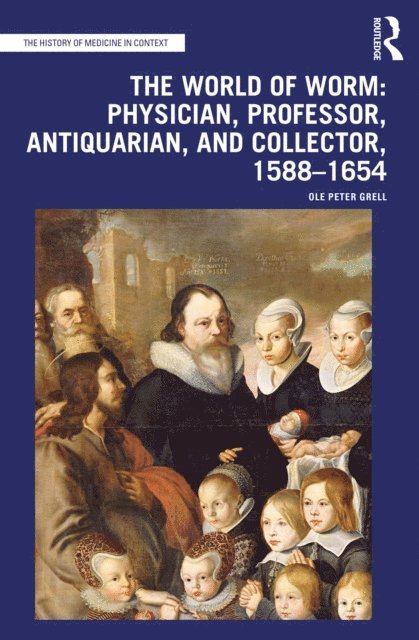
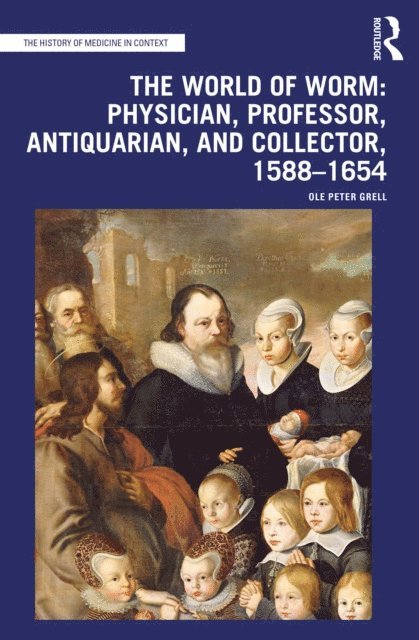
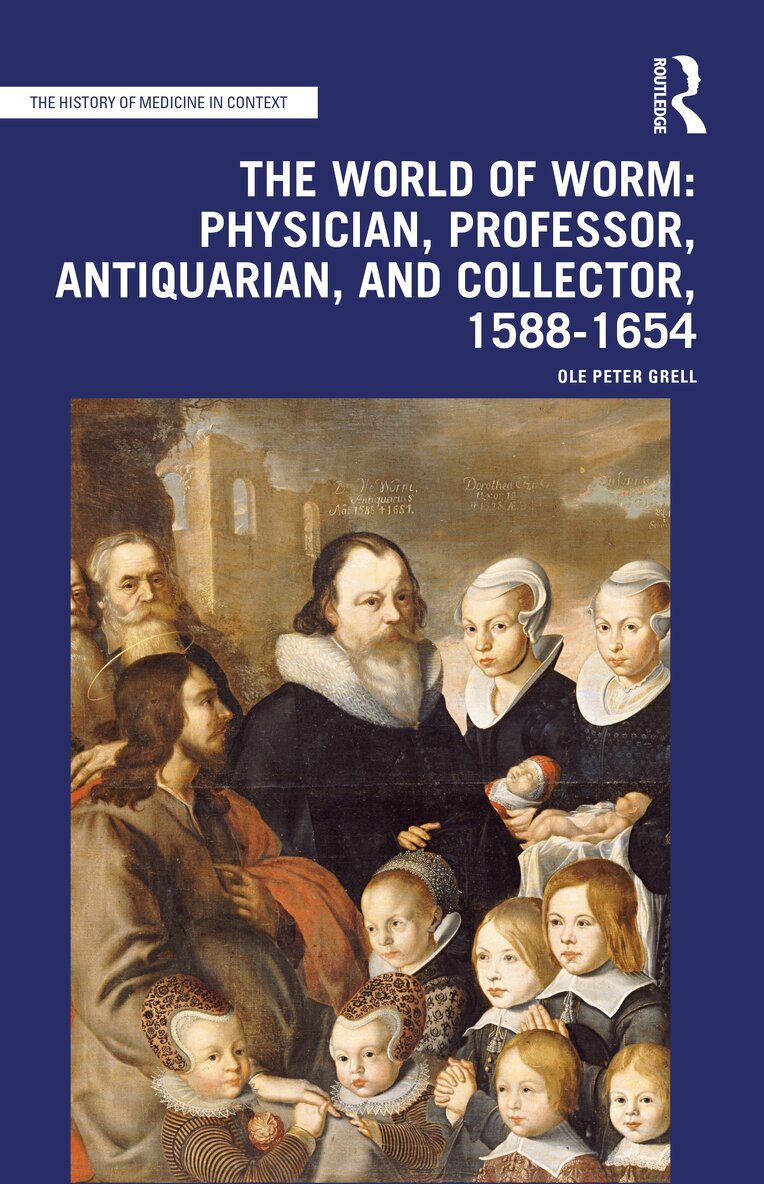
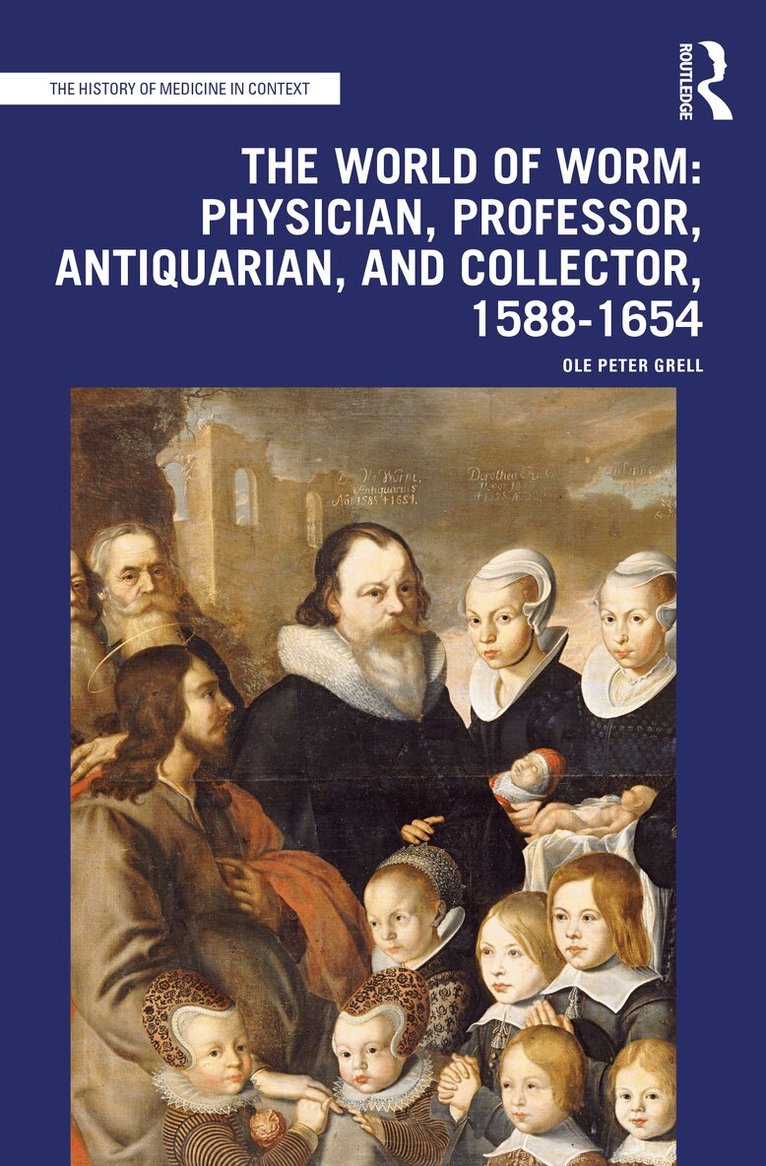
This monograph offers the first comprehensive treatment of the multi-faceted scholarly interests of Ole Worm, professor of medicine at the University of Copenhagen. Scholarship about Worm has focused mainly on Worm’s collecting and the creation of his cabinet of curiosity, the Museum Wormianum, resulting in Worm’s rationale for his research being largely overlooked. Worm shared his many interests with a number of other physicians of the age, but in terms of breadth, few matched the variety of his concerns. For a man who considered himself first and foremost a physician and anatomist, his interests in Paracelsianism and collecting can at times be baffling, while his interests in antiquarianism, runes, and chronology strike the modern reader as at odds with his medical and natural philosophical interests. It is important to comprehend that Worm’s multi-faceted interests in the created world were underpinned by his Lutheran, Melanchthonian natural philosophy, and this served to unify all Worm’s scholarly undertakings, inquiries, and experiments in the single aim of reaching a better understanding of God’s creation, the Book of Nature.
809 kr
Läs direkt efter köp
This monograph offers the first comprehensive treatment of the multi-faceted scholarly interests of Ole Worm, professor of medicine at the University of Copenhagen. Scholarship about Worm has focused mainly on Worm’s collecting and the creation of his cabinet of curiosity, the Museum Wormianum, resulting in Worm’s rationale for his research being largely overlooked. Worm shared his many interests with a number of other physicians of the age, but in terms of breadth, few matched the variety of his concerns. For a man who considered himself first and foremost a physician and anatomist, his interests in Paracelsianism and collecting can at times be baffling, while his interests in antiquarianism, runes, and chronology strike the modern reader as at odds with his medical and natural philosophical interests. It is important to comprehend that Worm’s multi-faceted interests in the created world were underpinned by his Lutheran, Melanchthonian natural philosophy, and this served to unify all Worm’s scholarly undertakings, inquiries, and experiments in the single aim of reaching a better understanding of God’s creation, the Book of Nature.
2 590 kr
Skickas inom 10-15 vardagar
688 kr
Skickas inom 10-15 vardagar
728 kr
Skickas inom 10-15 vardagar
1 677 kr
Skickas inom 7-10 vardagar
502 kr
Skickas inom 7-10 vardagar
1 051 kr
Läs direkt efter köp
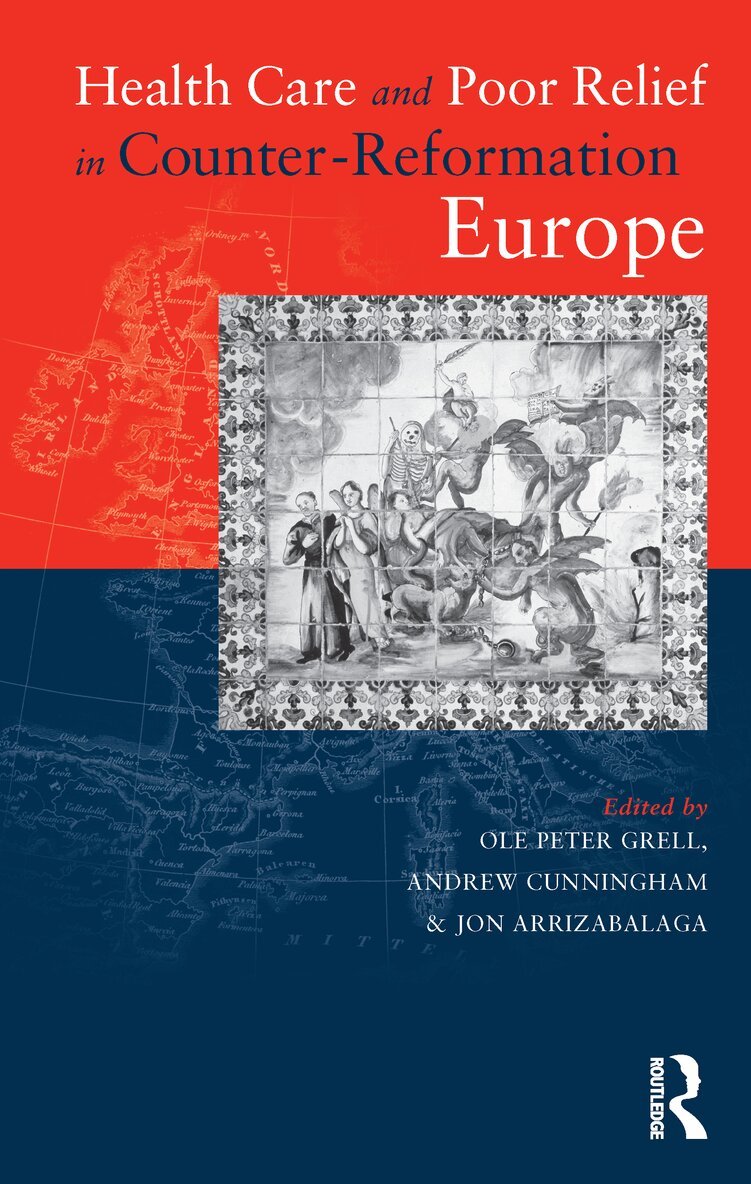
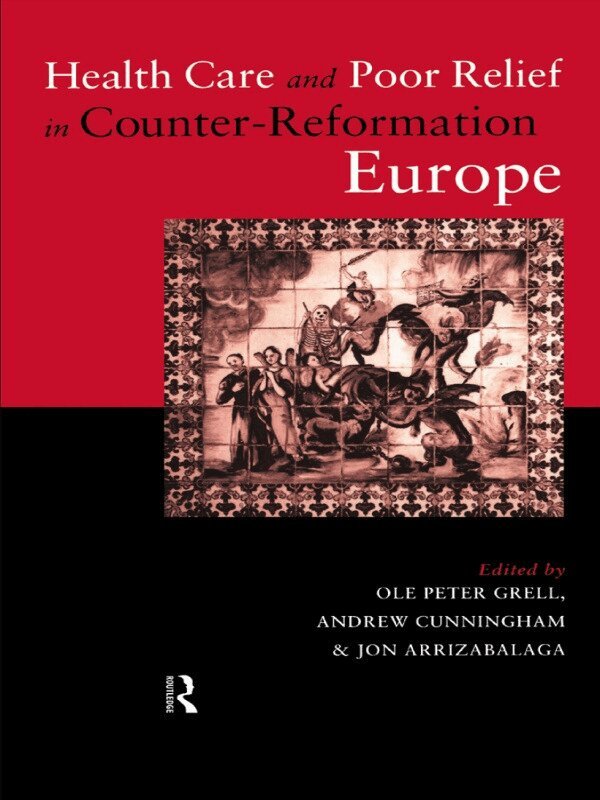
The role of religion was of paramount importance in the change of attitudes and approaches to health care and charity which took place in the centuries following the Council of Trent. Health Care and Poor Relief in Counter-Reformation Europe, examines the effects of the Counter-Reformation on health care and poor relief in Southern Catholic Europe in the period between 1540 and 1700.As well as a comprehensive introduction discussing issues of the nature of the Catholic or Counter-Reformation and the welfare provisions of the period, Health Care and Poor Relief sets the period in its social, economic, religious and ideological context. The book draws on the practices in different localities in Southern Europe, ranging from the Republic of Venice and the Kingdom of Naples to Germany and Austria. These examples establish how and why a revitalised and strenghtened post-Tridentine Catholic church managed to reshape and reinvigorate welfare provisions in Southern Europe.
1 066 kr
Läs direkt efter köp
The role of religion was of paramount importance in the change of attitudes and approaches to health care and charity which took place in the centuries following the Council of Trent. Health Care and Poor Relief in Counter-Reformation Europe, examines the effects of the Counter-Reformation on health care and poor relief in Southern Catholic Europe in the period between 1540 and 1700.As well as a comprehensive introduction discussing issues of the nature of the Catholic or Counter-Reformation and the welfare provisions of the period, Health Care and Poor Relief sets the period in its social, economic, religious and ideological context. The book draws on the practices in different localities in Southern Europe, ranging from the Republic of Venice and the Kingdom of Naples to Germany and Austria. These examples establish how and why a revitalised and strenghtened post-Tridentine Catholic church managed to reshape and reinvigorate welfare provisions in Southern Europe.
856 kr
Läs direkt efter köp
856 kr
Läs direkt efter köp
619 kr
Läs direkt efter köp
The tremendous changes in the role and significance of religion during Reformation and the Catholic Counter-Reformation affected all of society. Yet, there have been few attempts to view medicine and the ideas underpinning it within the context of the period and see what changes it underwent. Medicine and the Reformation charts how both popular and official religion affected orthodox medicine as well as more popular healers. Illustrating the central part played by medicine in Lutheran teachings, the Calvinistic rationalization of disease, and the Catholic responses, the contributors offer new perspectives on the relation of religion and medicine in the early modern period. It will be of interest to social historians as well as specialists in the history of medicine.